Packing and Loading Services Cost Guide for Movers
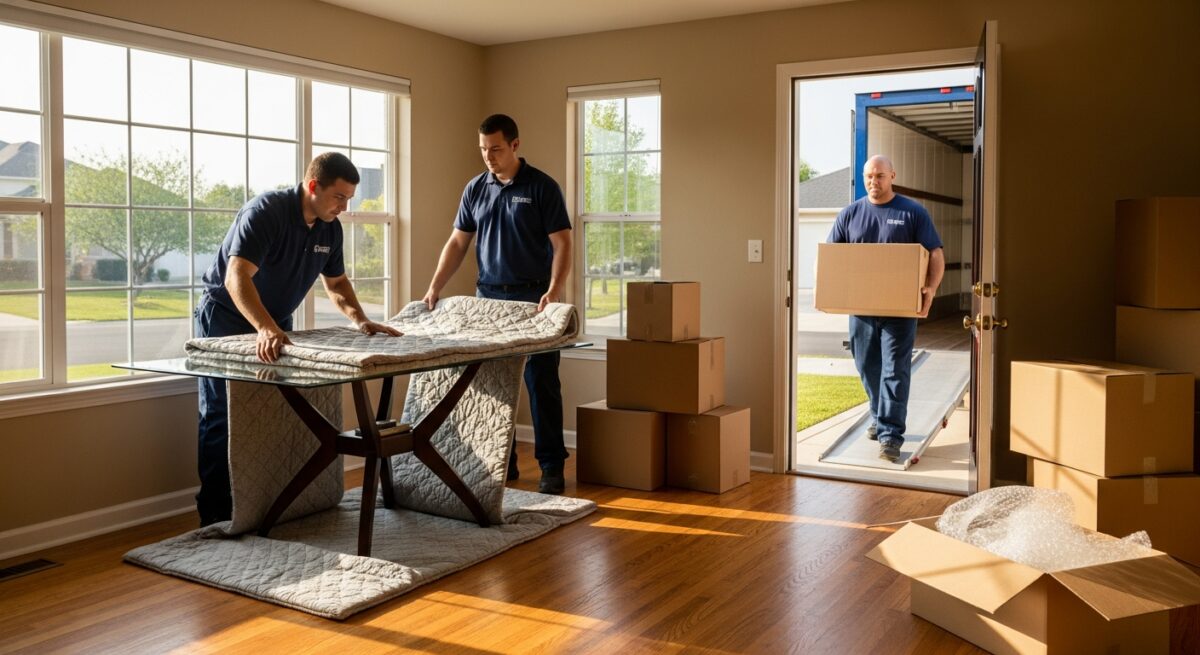
Planning a move often brings the same question to mind: how much will professional packing and loading actually cost? You have likely seen ads promising low rates, but the final invoice can tell a different story. Understanding the pricing structure before you sign a contract helps you budget accurately and avoid surprise fees. This guide breaks down the real costs of packing and loading services, explains what drives those numbers, and gives you practical steps to get the best value for your money.
Packing and loading services are not one-size-fits-all. Movers calculate their fees based on labor time, materials, the volume of belongings, and the complexity of your home. For example, a one-bedroom apartment with mostly boxes and basic furniture will cost far less than a four-bedroom house filled with antiques, fragile glassware, and heavy exercise equipment. Knowing these variables upfront lets you compare quotes intelligently and choose a service that fits both your needs and your wallet.
What Determines the Cost of Packing and Loading Services?
The price you pay for packing and loading services depends on several clear factors. Movers do not simply guess a number. They assess your home, inventory your items, and estimate the hours required. The most common cost drivers include the following elements.
Hourly Labor Rates Versus Flat Fees
Most local moving companies charge by the hour for packing and loading. In many markets, the hourly rate for a two- or three-person crew ranges from $80 to $150 per hour. The total hours depend on the size of your home and the amount of preparation needed. A studio apartment might take three to four hours, while a large family home could require eight to twelve hours or more. Flat fees are more common for long-distance moves, where the price is based on the estimated weight of your shipment and the distance traveled.
When you hire packers, the crew brings all necessary supplies: boxes, tape, bubble wrap, packing paper, and markers. The cost of these materials is usually added to your final bill as a separate line item. Some companies include basic materials in their hourly rate, but most charge a markup of 15 to 30 percent on supplies. Always ask for a detailed estimate that separates labor from materials so you can see exactly where your money goes.
Volume and Weight of Belongings
The more you own, the more it costs to pack and load. Movers often use a visual estimate or a walk-through survey to determine the cubic footage of your items. For long-distance moves, they weigh the truck before and after loading to calculate the total weight. A typical two-bedroom household weighs between 2,500 and 4,000 pounds. The national average cost for packing materials and labor for a home of this size is roughly $500 to $1,200, depending on your location and the level of service you choose.
If you have already packed some boxes yourself, the crew will only handle the loose items and furniture. This can reduce your labor hours significantly. However, movers generally prefer to pack fragile or high-value items themselves because they assume liability for damage. If you pack your own dishes and electronics, the moving company may not cover breakage. Weigh the savings against the risk before deciding how much to do yourself.
Complexity and Special Items
Not all items pack the same way. A stack of books is quick and straightforward. A grandfather clock, a grand piano, or a large piece of artwork requires specialized crating, extra padding, and careful handling. Movers charge premium rates for these items because they demand more time, skill, and materials. Custom crating for a single large painting can cost $200 to $600. Disassembling and reassembling a king-size bed frame or a modular sofa also adds time to the clock.
Stairs, narrow hallways, and long walkways from the truck to the door increase labor time. If your home has no elevator and you live on the third floor, expect a higher rate or a longer estimate. Movers call this a long carry or a difficult carry, and they often charge an additional fee for it. The same applies to loading: if the truck cannot park close to your entrance, the extra walking distance adds minutes to every trip.
Average Cost Ranges for Packing and Loading Services
To give you a realistic picture, here are average cost ranges based on home size and service level. These figures reflect national averages and may vary by region and season.
- Studio or one-bedroom apartment: $200 to $500 for full packing and loading. Expect two movers for two to four hours plus materials.
- Two-bedroom home or apartment: $400 to $1,000. This includes packing all rooms, disassembling furniture, and loading the truck. Materials typically add $150 to $300.
- Three-bedroom house: $800 to $2,000. A larger crew of three or four movers works for five to eight hours. Special items like a piano or heavy safe increase the cost.
- Four-bedroom house or larger: $1,500 to $4,000 or more. Full packing and loading for a large home can take a full day or longer. Custom crating and fragile item handling push the price higher.
These ranges include only packing and loading. If you also need unpacking and setup at your destination, add another 50 to 75 percent to the total. Some companies offer a full-service package that covers everything from wrapping the first dish to placing the last sofa in your new living room. That level of convenience costs more but saves you days of physical labor and stress.
Seasonality plays a role in pricing as well. The peak moving season runs from May through September. During these months, demand is high and rates can increase by 20 to 30 percent. If you can schedule your move for October through April, you may secure a lower rate or more flexible scheduling. Weekdays are generally cheaper than weekends, and mid-month moves often cost less than end-of-month dates when most leases expire.
How to Get an Accurate Quote for Packing and Loading
A phone quote based on the number of rooms is rarely accurate. To get a reliable estimate, request an in-home or video survey. A representative from the moving company walks through your home, notes special items, checks for obstacles, and measures hallways and doorways. This thorough assessment leads to a binding or non-binding estimate.
A binding estimate guarantees the total cost as long as you do not add or remove items. A non-binding estimate is an approximation, and the final bill can increase if the job takes longer than expected. For budgeting peace of mind, ask for a binding estimate. Some companies also offer a not-to-exceed price, which means you pay the lower of the estimate or the actual time worked. This protects you if the crew finishes faster than planned.

When comparing quotes, look beyond the bottom line. Check what is included: packing materials, wardrobe boxes, disassembly and reassembly, furniture pads, and floor protection. A low quote might omit these essentials, leading to add-on charges later. Read the fine print and ask for a written breakdown of all fees. In our guide on DFW moving companies best services and cost factors, we explain how regional market conditions influence pricing and how to spot hidden fees in your contract.
Tips to Reduce Your Packing and Loading Costs
You do not have to pay full price for every service. Several strategies can lower your total expense while still ensuring a smooth move.
First, pack non-fragile items yourself. Clothing, linens, books, and everyday kitchenware are safe to pack on your own. Use free boxes from local stores or buy them in bulk from a moving supply company. Leave the fragile dishes, electronics, and artwork to the professionals. This hybrid approach cuts labor hours by 30 to 50 percent.
Second, declutter before the movers arrive. Every item you throw away, donate, or sell is one less thing that needs packing and loading. Host a garage sale or list items online a few weeks before your move. The less you move, the less you pay.
Third, ask about discounts. Many moving companies offer reduced rates for military families, seniors, or repeat customers. Some also provide a discount if you book during the off-peak season or on a weekday. It never hurts to ask. You can also bundle services like packing, loading, and storage to negotiate a package price.
Fourth, prepare your home for the crew. Clear pathways, move small items out of the way, and label boxes clearly. If the movers can work without tripping over clutter or asking where each box goes, they finish faster. A well-prepared home can shave 30 minutes to an hour off the total time.
Frequently Asked Questions
Do packing and loading services include all materials?
Most professional packing services include standard materials such as boxes, tape, bubble wrap, and packing paper. However, specialty items like mattress bags, picture boxes, or custom crates for artwork may cost extra. Always confirm what is included in your quote before the crew arrives.
Is it cheaper to pack everything myself and only hire loaders?
Yes, hiring movers only for loading is typically less expensive than full packing services. You save on labor hours because the crew only handles the physical lifting and loading. However, you assume full responsibility for any damage to items you packed. If you pack poorly and something breaks, the moving company may not cover the loss.
How far in advance should I book packing and loading services?
For local moves, book at least two to four weeks ahead. For long-distance moves, reserve your date four to eight weeks in advance. During peak season, booking earlier is essential to secure your preferred date and rate.
Can I tip the packing and loading crew?
Tipping is not required but is appreciated for good service. A common guideline is $20 to $40 per mover for a half-day job and $40 to $60 per mover for a full day. Cash tips are easiest, but some moving companies allow you to add a tip to your credit card payment.
Choosing the Right Moving Partner
The cheapest quote is not always the best value. A reputable moving company invests in training, quality packing materials, and insurance. When you hire a professional team for your packing services cost, you are paying for expertise that protects your belongings. A crack in a vintage vase or a scratch on a solid wood dining table can cost far more than the difference between two quotes.
Look for movers with positive reviews, clear communication, and transparent pricing. Ask for references and check their Better Business Bureau rating. A company that offers guaranteed pricing and trained crews is more likely to deliver a stress-free experience. For additional peace of mind, consider a provider like Doctors Home that specializes in careful handling and customer-focused service. Their approach aligns with the level of care your possessions deserve.
Moving is a major life event. The cost of packing and loading services is an investment in your time, sanity, and the safety of your belongings. By understanding the pricing factors, comparing quotes intelligently, and preparing your home ahead of time, you can stay within your budget and enjoy a smoother transition to your new home. Take the time to research, ask the right questions, and choose a moving partner that puts your needs first.