Moving With Toddlers: 10 Tips Without the Meltdowns
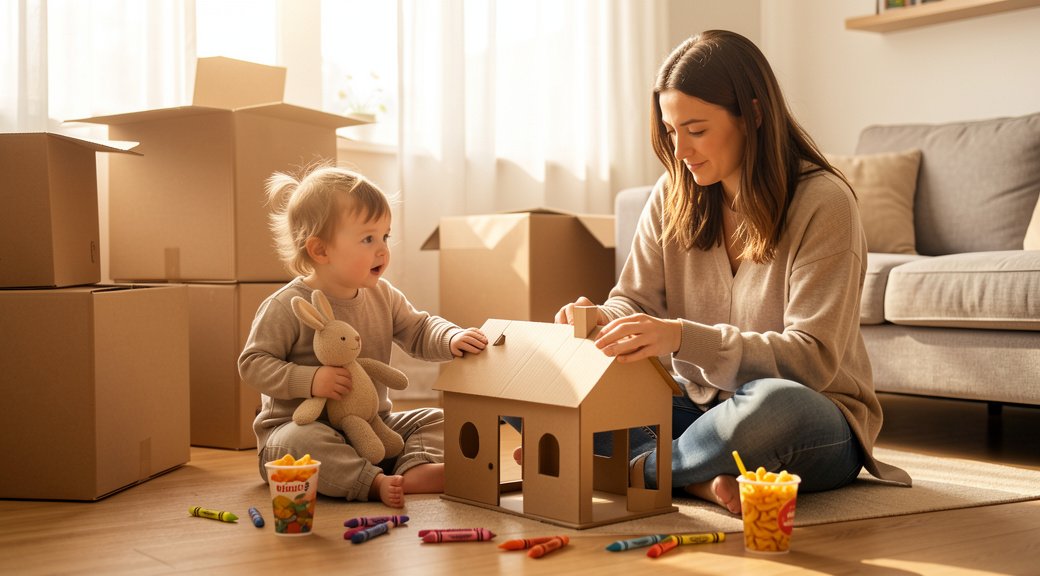
Moving is one of life’s most stressful events, and adding a toddler to the equation can feel like trying to pack an entire house while a tiny tornado spins through every room. The crying, the clinging, the sudden refusal to eat anything but goldfish crackers. It is a recipe for exhaustion before the moving truck even arrives. However, with the right strategies, you can keep your little one calm and even make the experience feel like an adventure. These tips for moving with toddlers without the meltdowns focus on preparation, routine, and emotional support. By planning ahead, you can protect your sanity and help your child adapt to the big change.
Why Toddlers Struggle With Moving
Understanding why your toddler reacts so strongly to a move is the first step to preventing chaos. Toddlers thrive on routine and familiarity. Their world is small, built around their bedroom, their favorite park, and the specific spot on the couch where they eat snacks. When you announce (or they sense) that everything is changing, they feel a loss of control. This often shows up as tantrums, regression in potty training, or sudden separation anxiety. Recognizing this as a normal developmental response rather than bad behavior allows you to respond with patience rather than frustration. Your calm presence is their anchor during the storm.
Timing Is Everything: When to Tell Your Toddler
Announcing a move too early can cause weeks of anxiety, while telling them too late leaves no time for them to process. For toddlers, a window of two to three weeks before the move is ideal. Their concept of time is limited, so a month feels like forever. Use simple, positive language. Say something like, “We are going to a new house with a big window for your stickers.” Avoid overwhelming them with details. Instead, focus on one exciting feature of the new home. This gives them something to look forward to rather than something to fear.
Involve Them in the Process
Toddlers want to help. Harness that energy by giving them small, safe tasks. Let them carry lightweight items to a designated box, such as a favorite book or a stuffed animal. Give them a roll of packing tape (with supervision) to “seal” a box that you have already closed. This sense of participation reduces their feeling of helplessness. For example, you can say, “You are the official box decorator. Can you put stickers on this one?” This transforms them from a passive observer into an active team member.
Create a Moving Day Survival Kit for Your Toddler
Prepare a special bag or backpack filled with comfort items and distractions. This kit is not for the movers. It is for you to keep within arm’s reach all day. Include the following essentials:
- A familiar blanket or lovey for comfort.
- Snacks that are non-messy and favorite treats.
- A tablet loaded with shows or a new coloring book.
- Noise-canceling headphones to block out the chaos.
- A change of clothes and wipes for inevitable spills.
This kit serves as a portable security blanket. When your toddler starts to feel overwhelmed, you can pull out a familiar item to ground them. Having these items ready prevents frantic searching through boxes later.
Maintain Routines at All Costs
Routine is the secret weapon for toddler calmness. During the chaos of packing and moving, it is tempting to let meal times and nap schedules slide. Do not give in. A tired and hungry toddler is a ticking time bomb. Keep meals at the same time, even if you are eating takeout on a cardboard box. Protect nap time like a dragon guards its treasure. If you are moving on a day that disrupts naps, plan for a quiet car ride or a stroller walk at their usual nap time. Consistency signals safety to their developing brain.
Childproof the New Home Before You Arrive
Your new house is a maze of hazards and unfamiliar corners. Before the moving truck arrives, take an hour to childproof key areas. Cover electrical outlets, secure heavy furniture to walls, and check for small objects on the floor. Set up your toddler’s bedroom first. Make their bed, put out their favorite stuffed animals, and hang a familiar nightlight. When they walk into that room, it should feel like a slice of the old home in a new place. This immediate sense of ownership reduces the urge to explore dangerous areas.
Use Stories and Play to Explain the Move
Young children process emotions through play. Use this to your advantage. Read picture books about moving. Act out the move with toy trucks and dolls. Let your toddler “pack” a small box with toys and then “unpack” them in the new house setup. This role-playing gives them a framework to understand what is happening. They can ask questions through the play that they cannot articulate in words. For instance, if their doll hides in a box, you can gently ask, “Is the doll scared?” This opens a door for conversation without direct pressure.
Managing the Actual Moving Day
Moving day is the peak of chaos. Strangers are walking through your home, furniture is disappearing, and your toddler feels like their world is being dismantled. The best strategy is to remove them from the action entirely. Hire a trusted babysitter or ask a grandparent to take them to the park or a playdate for most of the day. If that is not possible, designate one room as a “safe zone” that is off-limits to movers. Stock it with toys, snacks, and a tablet. Stay with them as much as possible. Your presence is more calming than any distraction.
Unpacking With a Toddler: A Slow and Steady Approach
Once you are in the new home, resist the urge to unpack everything in one night. Focus on the essentials: the kitchen, the bathroom, and the toddler’s bedroom. Let the rest sit in boxes for a few days. Your toddler needs time to explore the new space without feeling overwhelmed by clutter. Set up a small play area in the living room where they can be near you while you work. Rotate toys from the survival kit to keep things fresh. If they start to show signs of stress, stop unpacking and sit on the floor with them for ten minutes. Your attention is their reset button.
Handling Regression With Patience
It is common for toddlers to regress after a move. They might start waking at night, have more accidents, or become clingier. This is not a step backward. It is a coping mechanism. Do not punish or shame them. Instead, offer extra hugs and reassurance. Stick to your routines even more strictly for the first few weeks. If potty training regresses, simply put them back in pull-ups for a week and try again later. The regression will fade as they feel more secure. Your consistent, loving response is the cure.
When to Call for Professional Help
Sometimes, despite your best efforts, the stress of moving with a toddler can become overwhelming. That is okay. You do not have to do it alone. Professional movers can handle the heavy lifting so you can focus on your child. At Moving.Homes, we understand that your family’s well-being comes first. Our trained teams work efficiently to reduce the time your home is in chaos. We also offer packing services that can cut your workload in half. If you need a break from the physical demands of moving, consider reaching out for a free quote. For advice on keeping other family members calm during the transition, read our guide on Essential Tips for Moving With Pets Safely and Stress-Free. The same principles of routine and comfort apply to furry friends as well.
Financial stress can also amplify family tension during a move. Unexpected expenses like last-minute storage or moving supplies can strain a budget. If you need to free up cash for the move, you might explore options like auto loan refinancing to lower your monthly payments. Every bit of breathing room helps when you are managing a toddler and a relocation.
Frequently Asked Questions
How far in advance should I start preparing my toddler for the move?
Start talking about the move two to three weeks before the actual date. This gives them enough time to process without causing prolonged anxiety.
Should I let my toddler see the new house before moving?
Yes, if possible. A visit helps them visualize where they will sleep and play. If you cannot visit, show them photos or a video walkthrough.
What if my toddler refuses to sleep in their new room?
Set up their room exactly like the old one. Use the same bedding, nightlight, and stuffed animals. Sleep with them in the room for the first few nights if needed. They will adjust.
Is it normal for my toddler to be more clingy after a move?
Yes, it is very common. Clinginess is a sign of insecurity. Offer extra physical affection and verbal reassurance. The behavior usually fades within a few weeks.
Can I use screen time to distract my toddler on moving day?
Absolutely. Moving day is a special exception. A tablet with favorite shows or games can be a lifesaver when you need to keep them occupied and out of the movers’ way.
Moving with a toddler is not about perfection. It is about connection. There will be tears and tantrums. There will be moments when you question your sanity. But by using these strategies, you can reduce the frequency and intensity of meltdowns. Focus on what matters most: your relationship with your child. The boxes will get unpacked. The house will become a home. And your toddler will learn that home is not a place. It is the people who love them. Take it one day at a time, and do not forget to breathe.