Moving With Pets: A Stress-Free Relocation Plan
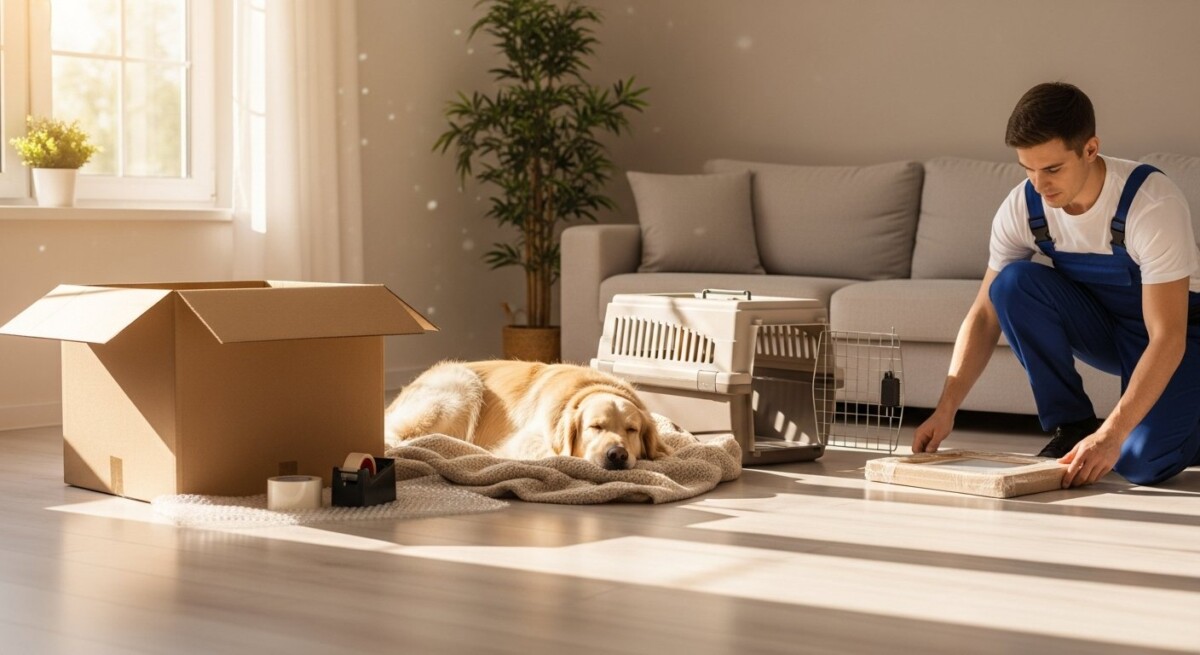
Moving is one of life’s most stressful events, and when you share your home with a furry, feathered, or scaled companion, that stress can multiply. Your pet picks up on your anxiety, the disruption of packing boxes, and the strange energy of a home in transition. A chaotic move can lead to frightened, hiding, or even escape-prone pets. However, with a deliberate plan built around your pet’s needs, you can transform a potentially traumatic experience into a manageable transition. This guide provides a comprehensive, step-by-step approach to moving with pets, ensuring their safety and comfort from the first box to the final key turn.
Pre-Move Preparation: Building a Safe Foundation
The weeks before moving day are critical for setting your pet up for success. Rushing this phase is a common mistake that leads to panicked animals and stressful moving days. Begin by updating your pet’s identification. This is the single most important safety step you can take. Ensure your pet’s collar has an up-to-date tag with your new address and a phone number you will have during the move. If your pet has a microchip, contact the registry to update your contact information with the new address. This simple step provides a safety net if your pet escapes during the chaos of loading or unloading.
Next, introduce moving supplies gradually. Do not wait until moving day to bring out a dozen boxes and rolls of tape. Cats and dogs can be frightened by the sudden appearance of unfamiliar objects. Start a few weeks early by placing a few boxes in the living room, letting your pet sniff and investigate them. Leave packing tape dispensers and bubble wrap around so these items become part of the normal environment. This desensitization technique reduces the shock value on moving day itself. Consider leaving a familiar blanket or bed inside an open, empty box so your pet begins to associate the boxes with comfort rather than threat.
Creating a Pet-Safe Moving Day Sanctuary
On moving day, the safest place for your pet is away from the action. The open front door, the constant stream of strangers (movers), and the loud noises of dollies and furniture being shifted create a recipe for disaster. A pet that darts out an open door is every owner’s nightmare. To prevent this, designate a quiet, secure room or area where your pet can stay for the duration of the move. This room should be a space that movers will not need to access. The bathroom, a spare bedroom, or even a large, secure closet can work.
Outfit this sanctuary with the following essentials:
- Fresh water in a spill-proof bowl
- A comfortable bed or crate with familiar bedding
- Favorite toys and a chew or puzzle treat to keep them occupied
- A litter box for cats or pee pads for dogs
- A white noise machine or a radio playing soft music to muffle moving sounds
Place a clear sign on the door reading “Do Not Enter: Pets Inside” in your primary language and, if possible, in Spanish or another language your movers may speak. This prevents accidental door openings. For highly anxious pets, consult your veterinarian about calming aids such as pheromone diffusers (like Adaptil for dogs or Feliway for cats) or temporary anti-anxiety medication. Never sedate a pet without veterinary guidance, as sedation can impair their ability to regulate body temperature and balance, which is dangerous in a moving environment.
The Travel Plan: Cars, Crates, and Comfort
Travel is often the most stressful phase of moving with pets. Whether you are driving across town or across the country, safety and comfort are paramount. For dogs and cats, a well-ventilated, securely fastened crate is the safest travel method. It protects your pet in the event of a sudden stop or accident and prevents them from distracting the driver. Never let a pet ride loose in a moving vehicle, and never place a crate in the front seat where airbags could cause injury. Secure the crate in the back seat or cargo area with a seatbelt or tie-downs.
Plan for frequent breaks. Dogs need to stretch their legs, relieve themselves, and drink water every two to three hours. Cats, however, should remain in their crates during stops. A cat that escapes a harness in a busy rest area is at high risk of being lost. If you need to let a cat out, do so only in a fully enclosed, secure space like a pet relief area inside a rest stop building. For longer moves, pack a travel kit with food, bowls, a leash, waste bags, a first-aid kit, and a copy of your pet’s medical records. If you are crossing state lines, some states require proof of rabies vaccination, so keep those documents accessible.
Settling Into Your New Home: The First 72 Hours
Arriving at your new home is not the end of the process. In fact, it is the beginning of a critical adjustment period. Before you bring your pet inside, walk through the new home to identify any hazards. Check for exposed wires, small spaces where a pet could get stuck (like behind appliances or in crawl spaces), toxic plants, and unsecured cabinets containing cleaning supplies or pest poisons. Set up a small, safe room for your pet here as well, with their crate, bed, water, and toys. This gives them a familiar anchor point in a sea of new smells and sounds.
Introduce your pet to the rest of the house slowly. Let them explore one room at a time for the first day. For cats, this gradual introduction is especially important. A common mistake is to let a cat run free immediately, which can lead to them finding a hiding spot (like inside a box spring or behind a heavy appliance) and refusing to come out. Keep your cat confined to one room with their litter box, food, and water for at least 24 to 48 hours before expanding their territory. During this time, maintain your normal routine as much as possible. Feed them at the same times, take them for walks at the same intervals, and give them the same amount of attention. Routine is the single most reassuring factor for pets in a new environment.

Handling Common Pet Moving Challenges
Every pet reacts differently to relocation. Some adapt within hours, while others may show signs of stress for weeks. Common behavioral issues include hiding, loss of appetite, excessive vocalization, and accidents in the house. These are normal responses to a major life change. Do not punish your pet for these behaviors. Instead, reinforce calm behavior with treats and praise. If your pet is hiding, do not force them out. Let them come out on their own terms. Ensure they have access to their litter box or potty area, and clean up accidents with an enzymatic cleaner to prevent repeat marking.
One of the best ways to help your pet acclimate is to engage them in the unpacking process. Let them sniff boxes and explore new furniture as it is placed. For dogs, take them on exploratory walks around the new neighborhood multiple times a day. This helps them establish a new territory and burn off nervous energy. For cats, place their scratching post or cat tree near a window so they can observe the new outdoor environment from a safe perch. If you are moving to a home with a yard, do not let your dog off-leash until you have thoroughly inspected the fence for gaps, holes, or weak points. Even a well-trained dog may try to escape a new, unmarked territory to return to the old home.
Long-Distance Moves and Air Travel Considerations
If your move involves air travel, the stakes are higher. Air travel can be dangerous for pets, particularly brachycephalic (snub-nosed) breeds like pugs, bulldogs, and Persian cats, who are prone to breathing difficulties in cargo holds. Always check the airline’s pet policy well in advance. Many airlines have seasonal restrictions on pet travel due to temperature extremes. If possible, book your pet in the cabin with you if they meet size and weight requirements. For larger pets that must travel as cargo, choose a direct flight to minimize time on the tarmac and handling.
For long-distance road trips, plan your route around pet-friendly accommodations. Many hotel chains, including La Quinta, Motel 6, and Red Roof Inn, allow pets. Book rooms in advance, and never leave your pet unattended in a hotel room. The unfamiliar sounds and smells can cause a pet to scratch at doors or windows. For cross-country moves, consider hiring a professional pet transport service. These services specialize in moving pets safely and can be worth the cost for peace of mind. In our guide on essential tips for moving with pets safely and stress-free, we explore additional strategies for long-distance pet relocation and how to choose the right transport option for your animal.
Frequently Asked Questions About Moving With Pets
Should I update my pet’s microchip before or after the move?
Update the microchip before you move. Do this at least two weeks before moving day. This ensures that if your pet escapes during the chaos of packing or at the new home, the chip registry already has your new address and phone number. Waiting until after you arrive creates a dangerous gap where your pet cannot be traced back to you.
How do I keep my cat calm during a move?
Cats are territorial creatures who rely heavily on scent. To keep them calm, use synthetic pheromone sprays or diffusers (like Feliway) in their safe room and in their carrier. Keep their carrier out for several days before the move so they can explore it. On moving day, cover the carrier with a light blanket to create a dark, den-like space. Avoid opening the carrier until you are in a secure, closed room in the new home.
What should I do if my pet runs away at the new house?
Stay calm and search methodically. Start by looking inside the house first. Pets often find hiding spots in new places, such as inside open drawers, behind washing machines, or in crawl spaces. After checking indoors, search the immediate yard and neighborhood. Contact local animal shelters, veterinary clinics, and rescue groups. Post on neighborhood social media groups and use lost pet databases like Petco Love Lost. Having an updated microchip and ID tag dramatically increases the chances of a safe return.
Can I give my pet medication to calm them for the move?
Never give your pet any medication, including over-the-counter calming supplements, without first consulting your veterinarian. Your vet can prescribe safe, appropriate anti-anxiety medication or recommend a dosage of a natural supplement like L-theanine or melatonin. Sedation can be dangerous, especially during travel, as it can affect a pet’s ability to regulate body temperature and balance.
Moving with pets requires patience, planning, and empathy. By prioritizing your pet’s safety and emotional well-being at every stage, you can reduce the stress for everyone involved. From updating identification and creating safe sanctuaries to maintaining routines and exploring new territory slowly, each step builds a foundation of trust and security. Your new home will feel like home much faster when your pet feels safe, loved, and settled. Remember, the goal is not just to transport your pet from one place to another, but to help them transition smoothly into a new chapter of their life with you. If you are planning a move and need professional assistance, consider reaching out to a moving company that understands the importance of caring for your entire family including your pets. For additional resources on managing relocation logistics, you can explore services like vehicle financing options to help with transportation costs associated with your move.