Moving With a Cat: Reducing Stress for Your Pet
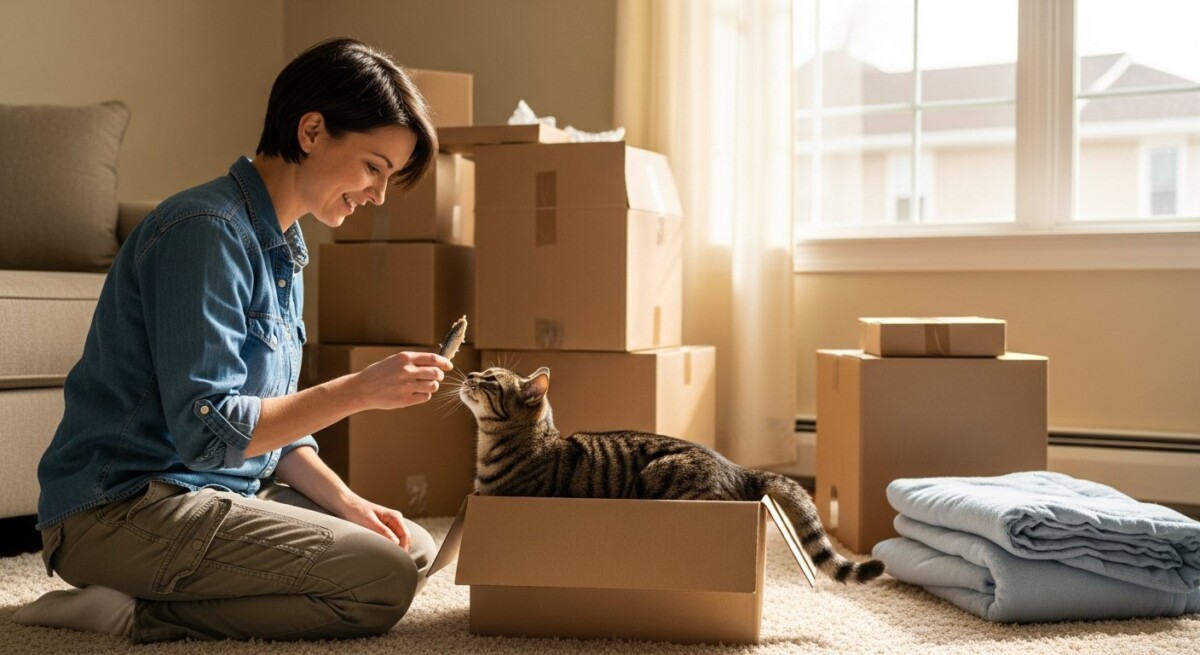
Moving to a new home is one of life’s most stressful events, and not just for humans. Cats are creatures of habit, deeply attached to their territory, routines, and familiar scents. When you pack up your life, your feline companion may sense the upheaval long before the moving truck arrives. This can trigger anxiety, hiding, loss of appetite, or even escape attempts. However, with the right preparation and a calm, structured approach, you can help your cat adjust smoothly. This guide focuses on practical strategies for moving with a cat: reducing stress for your pet through careful planning, gradual acclimation, and post-move comfort.
Understanding Your Cat’s Response to Change
Cats rely on scent and routine to feel secure. Their world is built around known pathways, favorite sunny spots, and the sound of your footsteps. When boxes appear and furniture shifts, their sense of safety erodes. A cat may interpret packing as a threat, not an adventure. Recognizing this fundamental difference is the first step in easing their anxiety. You cannot explain the move to a cat, but you can manage their environment to minimize fear.
Signs of stress in cats include excessive hiding, vocalizing, changes in litter box habits, reduced appetite, over-grooming, or aggression. If your cat already shows these behaviors during packing, they will likely intensify on moving day. The goal is to create a predictable, safe zone for your cat throughout the process. By mimicking their natural rhythms as much as possible, you preserve a sense of normalcy amid the chaos.
Preparation: Weeks Before the Move
Create a Safe Room
Designate one room in your current home as the cat’s sanctuary. This room should contain their litter box, food and water bowls, bed, scratching post, toys, and familiar items like a blanket or your worn t-shirt. Keep this room off-limits to movers and packing activity. This becomes their stable anchor point throughout the moving process. Place a sign on the door asking movers not to enter. The room should have a window for natural light and ventilation, but ensure it is securely closed or screened.
Maintain Routine
Cats thrive on consistency. Keep feeding times, play sessions, and cuddle routines unchanged even as boxes accumulate around you. If you disrupt their schedule, you amplify their stress. Stick to the same type of food, the same litter brand, and the same bed location within the safe room. Predictability is your strongest tool for reducing anxiety. Consider using a pheromone diffuser like Feliway in the safe room a few weeks before moving day. These synthetic calming signals can help lower your cat’s baseline stress level.
Visit the Veterinarian
Schedule a checkup before the move. Ensure vaccinations are current and ask about anti-anxiety medication or calming supplements if your cat has a history of severe stress. Obtain a copy of medical records and a health certificate if you are moving across state lines or internationally. Also, confirm that your cat’s microchip information is updated with your current address. This is a critical safety net in case your cat escapes during the transition.
Packing Day Strategies
On packing day, keep your cat confined to the safe room with the door closed. Place a note on the door reminding everyone that a cat is inside. Provide fresh water, a clean litter box, and a few toys. If possible, have someone sit with your cat during the most chaotic hours, offering gentle pets and treats. The sound of tape dispensers, moving boxes, and strangers talking can be terrifying. A calm human presence can make a world of difference.
If you must pack the safe room itself, do it last, ideally the day before the move. Move your cat to a bathroom or laundry room temporarily, ensuring it also has their essentials. Avoid packing items that smell strongly of you or your cat. Leave a worn t-shirt or a familiar blanket with them. Scent is a powerful comfort signal for cats. For a broader perspective on long-distance logistics, our guide on Coast to Coast Moving: A Complete Guide for Your Cross-Country Relocation offers additional insights on managing the big picture while keeping your pet’s needs in focus.
Moving Day: The Journey
Transport Your Cat Separately
Never let your cat roam freely in the moving truck. The combination of unfamiliar smells, loud noises, and shifting furniture can cause panic. Instead, transport your cat in a well-ventilated, secure carrier. Place a soft blanket or towel inside, along with a small toy. Cover the carrier with a light cloth to reduce visual stimuli. Keep the carrier in your vehicle, not the moving truck, so you can monitor your cat and maintain a comfortable temperature.
Minimize Travel Stress
If your move involves a long car ride, plan breaks for yourself but do not open the carrier. Offer water through a spill-proof bowl if the trip exceeds four hours. Avoid feeding your cat a full meal within a few hours of departure to prevent motion sickness. Talk to your cat in a calm, reassuring voice during the drive. Music with a slow tempo or classical music can also have a soothing effect. If your cat is prone to severe car anxiety, consult your vet about a mild sedative or natural calming aid.
For air travel, check airline pet policies well in advance. Some airlines allow cats in the cabin for a fee, while others require cargo transport. Always book direct flights to minimize handling and waiting time. Use a carrier approved by the airline and label it with your contact information. Attach a photo of your cat to the carrier in case you get separated.
Arriving at Your New Home
Upon arrival, set up a new safe room in your new home before bringing your cat inside. This room should mirror the setup from your old home: litter box, food, water, bed, scratching post, and familiar items. Place your cat in this room with the door closed while movers unload furniture and boxes. The activity and unfamiliar smells will be overwhelming. Give your cat a few hours (or a full day) to decompress in this quiet space before allowing exploration.
When you finally open the door, let your cat explore at their own pace. Do not force interaction or pick them up repeatedly. Some cats will venture out within hours; others may stay hidden for days. Provide multiple hiding spots like cardboard boxes, cat caves, or spaces under beds. These refuges help your cat feel secure as they map out their new territory. Place familiar scents around the house, such as your worn clothes or their old blanket, to speed up the acclimation process.
Post-Move Adjustment Period
Re-establish Routine Quickly
As soon as boxes are unpacked, resume your cat’s regular feeding schedule, playtime, and bedtime rituals. Consistency in timing helps rebuild a sense of normalcy. Keep the litter box in a quiet, accessible location and maintain the same litter type. If you change litter brands abruptly, your cat may avoid the box. Stick with the familiar until your cat is fully settled, then transition slowly if needed.
Monitor Behavior Closely
Watch for signs of prolonged stress: hiding for more than 48 hours, refusal to eat or drink, excessive vocalization, or elimination outside the litter box. These may indicate that your cat is struggling to adapt. If symptoms persist beyond a week, consult your veterinarian. In most cases, patience and gentle encouragement are all that is needed. Offer high-value treats, interactive toys, and calm companionship to build positive associations with the new environment.
Prevent Escape
New surroundings can trigger a cat’s instinct to explore, and they may try to dart out an open door. Keep your cat indoors for at least two to three weeks after the move. Check that all windows have secure screens and that doors close tightly. Consider using a microchip-activated cat flap if you plan to allow outdoor access later. When entering or exiting, do a quick headcount to ensure your cat is not lurking near the door. The first few weeks are the highest risk period for a lost cat.
Frequently Asked Questions
How long does it take for a cat to adjust to a new home?
Most cats begin to settle within one to three weeks, but some may take a month or longer. The adjustment period depends on your cat’s personality, age, and past experiences. Kittens and confident adults adapt faster; shy or senior cats may need more time. Be patient and let your cat set the pace.
Should I keep my cat in one room for the first few days?
Yes, confining your cat to a single room for the first 24 to 72 hours is highly recommended. This small, controlled space reduces overwhelm and helps your cat build confidence. Gradually expand their access to the rest of the house as they show curiosity and relaxed body language.
Can I use calming products to help my cat during the move?
Absolutely. Pheromone diffusers, sprays, and collars (such as Feliway) can reduce anxiety. Calming treats containing L-theanine or tryptophan may also help. Always introduce these products a week or two before the move for maximum effect. For severe cases, your vet may prescribe anti-anxiety medication.
What if my cat stops eating after the move?
Loss of appetite is common for a day or two. Offer their favorite wet food or a little tuna juice to stimulate interest. If your cat refuses to eat for more than 24 hours, or if they show signs of lethargy or vomiting, contact your veterinarian immediately. Prolonged anorexia can lead to serious health issues like hepatic lipidosis.
How can I make the new home smell familiar?
Place unwashed bedding, your worn clothing, and your cat’s old toys around the new space. Rub a soft cloth on your cat’s cheeks (where scent glands are located) and then wipe it on door frames or furniture legs. This deposits their own calming pheromones. Avoid using strong cleaning products or air fresheners that can mask familiar scents.
Final Thoughts
Moving is a disruption for everyone in the household, but with deliberate planning and empathy, you can guide your cat through the transition with minimal distress. By creating safe spaces, preserving routines, and monitoring their emotional state, you protect the bond you share. Remember that your calm demeanor directly influences your cat’s confidence. When you remain patient and reassuring, your cat will eventually claim their new home as their own. For personalized assistance with your relocation, call our team at (833) 762-3578. We are here to help make your move smoother for every member of your family, including the furry ones. Additionally, exploring resources on financial planning for your move, such as those at car loan refinancing, can free up budget for professional moving services and pet care.