Moving Home Costs: Complete Budget Guide for 2026
Moving to a new home is an exciting milestone, but the financial side of relocation can quickly become overwhelming if you do not plan ahead. Many people underestimate the total expense, focusing only on the moving truck or security deposit. In reality, the cost of moving home includes a wide range of fees, deposits, and hidden charges that can add up to thousands of dollars. This complete budget guide will walk you through every major expense category, provide realistic cost ranges, and offer actionable tips to keep your moving budget on track. Whether you are moving across town or across the country, understanding these moving home costs is the first step to a stress-free relocation.
Breaking Down the True Cost of Moving Home
When people ask about the cost of moving home, they often expect a single number. However, the total expense depends on factors like distance, volume of belongings, time of year, and whether you hire professionals or do it yourself. A local move of a one-bedroom apartment might cost between $300 and $1,500, while a long-distance move for a four-bedroom house can range from $2,000 to $10,000 or more. The key is to break the budget into manageable parts so you can anticipate each expense and avoid surprises.
Beyond the obvious moving truck or mover fees, you must account for packing supplies, utility deposits, cleaning services, and temporary storage. Many homeowners forget about the cost of changing addresses, buying new furniture, or repairing the old home before selling. By planning for these categories, you can create a realistic budget that covers the full scope of your relocation.
Professional Movers vs. DIY: Comparing Moving Home Costs
One of the biggest decisions you will make is whether to hire professional movers or handle the move yourself. Each option has distinct cost structures and trade-offs.
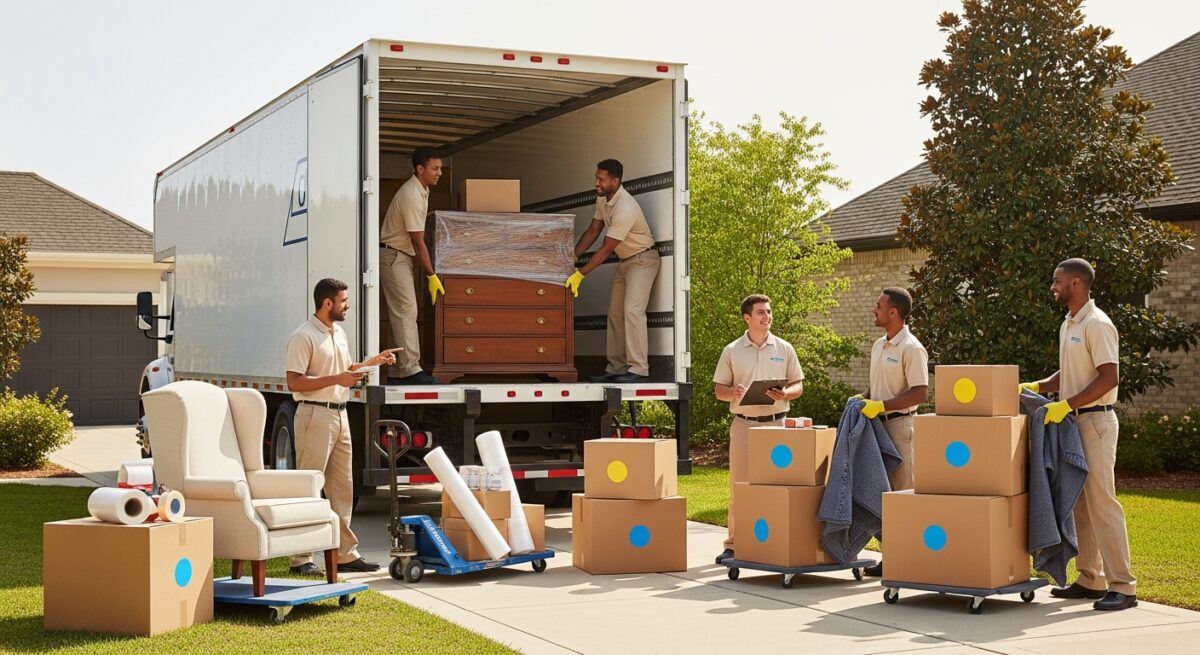
Professional moving services from a company like Moving.Homes typically charge based on the weight of your shipment and the distance traveled. For a local move, you might pay an hourly rate of $100 to $200 per hour for a crew of two to three movers. Long-distance moves are usually priced per pound or per mile, with additional fees for stairs, bulky items, or packing materials. The advantage of hiring professionals is speed, safety, and reduced physical strain. They also provide insurance coverage for your belongings, which adds peace of mind.
DIY moving involves renting a truck (typically $40 to $150 per day for a local move), buying packing supplies, and recruiting friends or family. While this appears cheaper at first glance, hidden costs like fuel, tolls, pizza for helpers, and potential damage to furniture can add up. For a cross-country move, a DIY approach might still cost $1,500 to $3,000 when you factor in gas, lodging, and a trailer. However, the time and effort required are significant, and you assume all the risk if something breaks.
For most families, the best value comes from a hybrid approach: hire professionals for heavy lifting and long-distance transport, but handle packing and unpacking yourself. This balances cost control with professional reliability.
Essential Cost Categories in Your Moving Budget
To build a complete budget guide, you must consider all major expense categories. Below is a breakdown of the most common moving home costs you will encounter.
Transportation and Truck Rental
Whether you rent a truck or hire a moving company, transportation is the largest single expense. For a DIY move, truck rental costs vary by size and duration. A 16-foot truck for a one-bedroom apartment might cost $100 to $200 for a day, while a 26-foot truck for a large house could run $300 to $600. Add mileage fees (often $0.50 to $1.00 per mile) and fuel, which can be substantial for long distances.
Professional movers include transportation in their quote, but you should ask about fuel surcharges and travel fees. Some companies charge a flat rate, while others add per-mile costs after a certain distance. Always get a written estimate that itemizes these charges.
Packing Supplies and Materials
Boxes, tape, bubble wrap, and markers are essential for protecting your belongings. A typical move requires 20 to 50 boxes of various sizes, costing $50 to $200. Specialty boxes for dishes, wardrobe, or electronics add to the total. You can save money by sourcing used boxes from local stores or online marketplaces, but professional packing materials offer better protection for fragile items.
If you hire movers to pack your belongings, expect to pay an additional $200 to $800 depending on the volume of items. This service saves time and reduces the risk of damage, but it is an added cost to factor into your budget.
Labor Costs and Moving Crews
For local moves, labor costs are typically hourly. A two-person crew might charge $100 to $150 per hour, with a minimum of two to four hours. Long-distance moves include labor in the overall quote, but you may pay extra for stairs, long carries, or difficult access (e.g., no elevator). Tipping is customary and should be budgeted separately. A good rule is to tip each mover $20 to $40 for a half-day move, or $50 to $100 for a full day.
Insurance and Valuation Coverage
Basic liability coverage is often included in moving quotes, but it offers limited protection. Released value protection covers items at 60 cents per pound, which is insufficient for electronics or antiques. Full value protection costs more (typically 1% to 2% of the estimated value of your belongings) but covers repair or replacement. For high-value items, consider purchasing additional insurance from a third party.
Storage and Temporary Housing
If your new home is not ready when you move, you may need short-term storage. Climate-controlled storage units cost $100 to $300 per month for a small unit, while larger units can exceed $500. Some moving companies offer storage as part of their service, which may be more convenient but also more expensive. Temporary housing, such as a hotel or short-term rental, adds $100 to $300 per night depending on location.
Utility Setup and Deposits
Setting up electricity, gas, water, internet, and cable often requires deposits or connection fees. These can range from $50 to $300 per utility. Some providers waive deposits if you have good credit, but it is wise to budget $200 to $500 for utility-related costs. Remember to schedule disconnection at your old home and connection at your new one to avoid overlapping bills.
Cleaning and Repairs
Many homeowners must clean and repair their old home before selling or renting. Professional cleaning services cost $150 to $400 for a standard home. Repairs like patching holes, painting, or fixing broken fixtures can add $500 to $2,000. If you are renting, you may need to restore the property to its original condition to get your security deposit back.

Hidden Costs That Surprise Most Movers
Even a well-planned budget can be derailed by unexpected expenses. Here are common hidden moving home costs that catch people off guard.
- Travel and lodging: For long-distance moves, you may need hotels, meals, and gas for your personal vehicle. Budget $200 to $800 for a cross-country trip.
- Pet and plant relocation: Moving pets requires crates, vet visits, and possibly airline fees. Plants may need special care or cannot cross state lines due to agricultural restrictions.
- Vehicle shipping: If you are moving far and cannot drive your car, shipping it costs $500 to $1,500 depending on distance and type of transport.
- New furniture and appliances: Your new home may require different-sized furniture, curtains, or appliances. Budget $1,000 to $5,000 for these purchases.
- Time off work: Taking days off to pack, move, and unpack means lost wages. If you earn $200 per day and take three days off, that is $600 in indirect costs.
To avoid these surprises, add a contingency fund of 10% to 20% of your total moving budget. This buffer will cover last-minute needs without causing financial stress.
How to Save Money on Your Move
Reducing the cost of moving home requires strategic planning and smart choices. Start by decluttering before you pack. Fewer items mean lower moving costs, less packing material, and easier unpacking. Sell or donate items you no longer need, and use the proceeds to offset moving expenses.
Compare quotes from at least three moving companies. Look for transparent pricing and read reviews to avoid scams. If you choose a DIY approach, book your truck rental early to get the best rates, and ask about discounts for off-peak days (weekdays are often cheaper than weekends).
Pack your own belongings using free boxes from local stores, and label everything clearly to speed up the unpacking process. For long-distance moves, consider shipping some items via freight or postal service, which can be cheaper for small, heavy boxes.
Finally, time your move strategically. Moving during the off-season (October to April) or mid-month can save you hundreds of dollars because demand is lower. Avoid weekends and the end of the month when most leases expire.
Creating Your Moving Budget Spreadsheet
A practical way to manage moving home costs is to create a detailed budget spreadsheet. List every expense category we have discussed, add estimated costs, and track actual spending. Use columns for estimated, actual, and difference to identify where you are overspending.
Start with fixed costs like moving company fees, truck rental, and insurance. Then add variable costs like packing supplies, cleaning, and tips. Finally, include the contingency fund. Update the spreadsheet as you incur expenses, and review it weekly to stay on track. This tool will help you make informed decisions, such as whether to hire professional packers or do it yourself based on your remaining budget.
For a more automated approach, use budgeting apps that allow you to set spending limits for each category. Some apps even integrate with your bank account to track expenses in real time.
Frequently Asked Questions About Moving Home Costs
1. What is the average cost of moving a three-bedroom house?
The average cost ranges from $2,500 to $6,000 for a long-distance move and $1,000 to $3,000 for a local move. Factors like distance, weight, and additional services affect the final price.
2. How much should I tip my movers?
A standard tip is 10% to 20% of the total moving cost, or $20 to $50 per mover for a full day. Tip more for exceptional service or heavy items.
3. Are moving quotes binding or non-binding?
Binding quotes guarantee the final price based on your inventory, while non-binding quotes are estimates that can change. Always request a binding quote to avoid surprises.
4. What items increase moving costs the most?
Pianos, safes, pool tables, and large appliances increase costs due to weight and special handling. Stairs, long carries, and limited elevator access also add fees.
5. Can I negotiate moving costs?
Yes. Many moving companies offer discounts for cash payments, booking early, or bundling services. Do not hesitate to ask for a better rate or match a competitor’s quote.
6. How do I get an accurate moving estimate?
Schedule an in-home or virtual survey where a moving consultant inventories your belongings. Provide a detailed list of items, including special handling needs, for the most accurate quote.
Final Thoughts on Planning Your Moving Budget
Moving is a significant financial event, but with careful planning and a thorough understanding of the cost of moving home, you can avoid overspending and reduce stress. This complete budget guide has outlined every major expense category, from transportation and packing to hidden costs and savings strategies. Remember to build a contingency fund, compare multiple quotes, and consider using professional services for the heaviest tasks. For more detailed advice on specific expenses, check out our guide on Cost of Moving: What You Should Budget For. By taking control of your moving home costs now, you can focus on the excitement of your new chapter instead of worrying about your wallet. Learn more