Moving Help Services: The Smart DIY Relocation Strategy

You’ve decided to tackle your move yourself. You’ve rented the truck, gathered the boxes, and are ready to embrace the challenge of a DIY relocation. But as moving day approaches, the reality of lifting your king-size mattress, your antique dresser, and dozens of heavy boxes starts to sink in. This is where the modern, savvy approach to moving comes into play: blending a do-it-yourself mindset with strategic professional help. Moving help services, also known as moving labor services, are the secret weapon for a successful, cost-effective, and physically manageable relocation. They represent a hybrid model that puts you in control of the overall process and budget while bringing in muscle and expertise for the most demanding tasks. This comprehensive guide will show you how to leverage these services to execute a smooth, efficient move without the full price tag of a traditional moving company.
What Are Moving Help Services and How Do They Work?
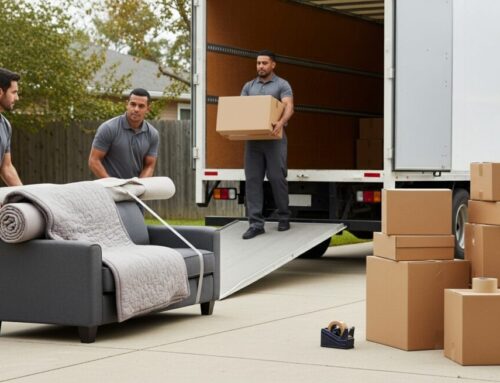
Moving help services are a la carte labor solutions designed to assist with the physical execution of a move. Unlike full-service movers who handle everything from packing to transportation to unpacking, moving labor companies provide skilled workers for specific, time-limited tasks. You remain the project manager: you secure the rental truck, provide packing materials, and dictate the timeline. The moving helpers you hire then execute the heavy lifting under your direction. This model is ideal for local moves, but it’s also increasingly used for long-distance relocations where you drive the truck but need help on either end. The core principle is flexibility. You can hire help for just loading, just unloading, or for both. You can book them for a strict two-hour window to move a few heavy items or for a full day to handle an entire household. This pay-for-what-you-need approach creates significant cost savings and aligns perfectly with a planned DIY strategy.
The Tangible Benefits of Hiring Moving Labor
Choosing to integrate moving help services into your DIY plan offers a multitude of advantages beyond just saving your back. Financially, it’s often the sweet spot between a purely friend-powered move and a premium full-service experience. You avoid the high hourly rates of a branded moving company’s crew and their truck, paying primarily for the labor itself. There’s also a profound efficiency gain. Professional movers are trained in techniques to move furniture safely through doorways, down stairs, and into tight spaces on a truck. They work with a rhythm and purpose that can cut loading time in half compared to an inexperienced group, which is crucial if you’re paying by the hour for a rental truck. Furthermore, you transfer the risk. These professionals are typically insured for injury and carry liability coverage for damage to your belongings, a protection you don’t have when relying on friends. Perhaps one of the most underrated benefits is the reduction of relational stress. There’s no need to call in favors, provide pizza and beer, or worry about a friend getting injured. The transaction is clear, professional, and focused solely on completing the job.
Identifying the Right Tasks for Professional Help
To maximize the value of your moving labor investment, it’s crucial to identify which parts of the move truly warrant professional hands. The goal is to use your budget where it delivers the highest return in saved time, effort, and risk. Generally, any item that is heavy, bulky, fragile, or requires special handling is a prime candidate. Think about your large appliances, like refrigerators and washing machines. Consider awkward pieces such as pianos, pool tables, or large sectional sofas. Grandfather clocks, large mirrors, and artwork also fall into this category. The process of loading the truck itself is a critical phase where expertise pays off. Proper weight distribution, secure tie-downs, and strategic placement prevent damage during transit and ensure safe driving. For a deeper dive into this specific phase, our guide on loading and unloading moving help breaks down the techniques and planning involved. Beyond single items, if you or anyone in your household has physical limitations, or if your move involves multiple flights of stairs, long carry distances from home to curb, or inclement weather, hiring help becomes not just a convenience but a necessity.
Creating Your Hybrid Moving Plan
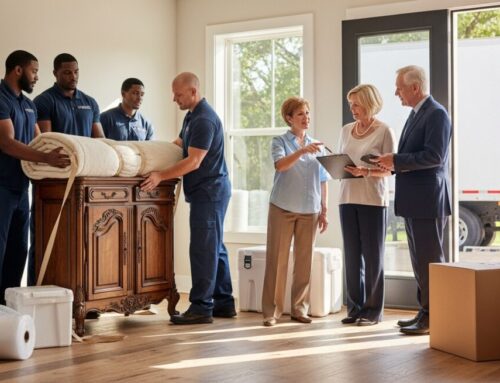
A successful hybrid move requires careful coordination. Your first step is to create a detailed inventory, categorizing items you will handle yourself (boxes of clothes, kitchenware you’ve packed) and items that will require the moving crew. Next, secure your rental truck for the appropriate size and timeframe, ensuring you have a clear parking plan for both your old and new locations. Then, book your moving help services. Be transparent when booking: provide an accurate list of heavy items, note any staircases or elevator requirements, and mention any potential obstacles like narrow hallways. It’s wise to schedule the crew to arrive about an hour after you pick up the truck, giving you time to do final preparations. On moving day, have everything ready to go. All boxes should be packed, sealed, and labeled. All furniture should be disassembled (if you’re handling that) or ready for the crew to disassemble. Clear a path. Your role shifts to director: point out what goes, communicate any special instructions, and let the professionals work their magic. This preparation is the key to staying on schedule and on budget.
How to Find and Vet Reliable Moving Help Services
Finding quality moving labor is easier than ever thanks to dedicated online marketplaces and local service platforms. Websites like MovingHelp.com (affiliated with U-Haul), TaskRabbit, and Thumbtack specialize in connecting customers with pre-vetted moving labor providers. You can also find local companies through traditional search engines. The vetting process is non-negotiable. Start by reading a high volume of customer reviews, paying attention to comments about punctuality, care with belongings, and professionalism. Verify that the company or individual is properly licensed and insured; any reputable service will have no problem providing proof of liability and workers’ compensation coverage. Always get a detailed, written estimate that outlines the hourly rate, minimum hours required, the number of workers who will arrive, and any potential additional fees (e.g., for stairs, heavy items, or travel). A trustworthy provider will often ask for details about your inventory to give an accurate quote and will be clear about their payment policies. Avoid any service that demands a large cash deposit upfront or seems evasive about insurance details.
To truly plan a smooth home relocation, consider these key factors when selecting your moving labor team. Their experience with specific items like pianos or gym equipment can be crucial. Also, confirm their availability aligns perfectly with your truck rental window to avoid costly overlaps or delays.
Cost Expectations and Money-Saving Tips
The cost of moving help services varies widely based on location, the number of movers, the complexity of the job, and the time of month (peak season is more expensive). Generally, you can expect to pay between $45 and $90 per hour per mover, with a two-hour minimum being common. A two-person team loading a standard two-bedroom apartment might take 3-4 hours, while unloading might take 2-3. Therefore, a full load and unload service could range from $450 to $1,000 or more. To control costs, the single most effective strategy is preparation. The clock starts when the movers arrive, so every minute they spend waiting for you to empty a dresser or disassemble a bed is money spent. Follow this checklist to ensure efficiency:
- Have all boxes packed, taped shut, and labeled with their destination room.
- Disassemble all furniture you are comfortable handling (beds, table legs, etc.).
- Clear all walkways, hallways, and staircases of rugs, toys, or obstacles.
- Protect floors and doorways with old blankets or moving pads if possible.
- Have a cooler with cold water bottles ready for the crew.
- Designate one person to communicate with the crew lead to avoid confusion.
Other tips include booking mid-week or mid-month when demand is lower, being realistic about your inventory to get an accurate quote and avoid surprise charges, and tipping fairly for good service (typically 15-20% of the total labor cost, split among the crew).
Frequently Asked Questions
Do I need to tip moving helpers? Yes, tipping is standard and appreciated in the moving industry, much like in food service. A tip of 15-20% of the total labor cost, divided among the crew, is customary for good service. If the team exceeds expectations with particularly heavy items or difficult conditions, consider tipping more.
What if the movers damage my furniture or walls? Reputable moving labor services carry liability insurance for this purpose. Immediately document any damage with photos and notify the crew lead on-site. Then, contact the company directly to file a claim. This is why verifying insurance before hiring is critical.
Should I provide moving equipment? The moving crew should bring their own basic tools, dollies, and moving blankets. However, it’s always good to confirm this when booking. You are responsible for providing the rental truck and any packing materials (boxes, tape, bubble wrap).
Can I hire moving help just for packing or unpacking? Absolutely. Many moving labor services offer packing and unpacking as separate, standalone services. This can be a huge time-saver if you’re short on time or want professional care for your fragile items.
How far in advance should I book? For peak moving season (summer months, weekends, end of the month), book at least 2-4 weeks in advance. For off-peak times, 1-2 weeks is usually sufficient. Last-minute bookings are possible but limit your options and may incur higher rates.
Integrating moving help services into your DIY relocation is the hallmark of a smart, modern move. It empowers you to maintain control and budget consciousness while accessing the skill, speed, and safety that only professionals provide. By understanding how these services work, planning meticulously, and choosing your crew wisely, you transform a potentially overwhelming physical ordeal into a well-managed project. You get to enjoy the satisfaction of a self-directed move without paying the ultimate price in stress, time, or back pain. This hybrid approach proves that when it comes to moving, you don’t have to choose between doing it all yourself and handing over the entire job, you can find the powerful, practical middle ground.