Moving Day Checklist: Essential Steps for a Smooth Move
Moving day can feel like a storm of activity, where every box, piece of furniture, and loose item demands your attention. Without a clear plan, even the most organized person can feel overwhelmed. That is why a structured moving day checklist everything you need to do is not just helpful; it is essential. This guide walks you through every critical step, from the final walkthrough to the last box being placed in your new home. By following this systematic approach, you can reduce stress, avoid costly mistakes, and ensure that nothing important is left behind.
Preparation is the foundation of a successful move. While you may have spent weeks packing and planning, the actual moving day requires a different kind of focus. You need to coordinate with movers, manage last-minute tasks, and keep an eye on your belongings. A comprehensive moving day checklist helps you stay on track and gives you peace of mind. Whether you are moving across town or across the country, the principles remain the same: be organized, communicate clearly, and take care of yourself.
Pre-Move Morning: The Final Countdown
The hours before the moving truck arrives are precious. This is your last chance to secure loose items, confirm arrangements, and prepare your home for the movers. Begin by walking through every room with a critical eye. Check closets, drawers, and cabinets for anything that might have been forgotten. Look under beds and behind furniture. You would be surprised how often small items like jewelry, important documents, or a favorite toy get left behind.
Next, confirm your moving crew’s arrival time. Call or text the moving company to ensure they are on schedule. If you are using professional movers from Moving.Homes, you can rely on their guaranteed pricing and trained team, but it is still wise to have a direct conversation on the morning of the move. This confirmation gives you a clear window to finish your own tasks. While you wait, prepare a bag of essentials that you will keep with you during the move. This bag should include medications, chargers, a change of clothes, toiletries, snacks, water, and important documents. Do not let this bag get loaded onto the truck. Keep it in your car or on your person at all times.
Finally, take photos of your empty home. This is a step that many people skip, but it can be invaluable for security deposit disputes or insurance claims. Photograph every room, including closets, hallways, and any existing damage. These dated images serve as proof of the condition you left the property in. Store them in a cloud folder or email them to yourself. This simple act can save you hundreds of dollars later.
Mastering Your Moving Out List
A detailed moving out list is the backbone of an efficient move. This list covers everything that must be done before you hand over the keys. Start with utility disconnection and transfer. Call your internet, gas, electric, and water providers to schedule the final readings and shutoffs. You want the utilities to remain active until the movers leave, but you do not want to pay for service after you are gone. Schedule the disconnection for the day after your move to avoid any gaps or complications.
Your moving out list should also include a thorough cleaning plan. Most leases require a professional-level clean, and even if you own your home, a clean house is easier to sell or rent. Focus on the kitchen and bathrooms first, as these areas require the most effort. Wipe down cabinets, clean the oven, scrub toilets, and mop floors. If you have time, clean windows and vacuum blinds. Many people hire a cleaning service for this step, which is a worthwhile investment when you are already exhausted from moving.
Another critical item on your moving out list is the final walkthrough with your landlord or real estate agent. Schedule this walkthrough for after the movers have left but before you hand over the keys. Walk through the property together, pointing out the photos you took and discussing any damage. This open communication can prevent disputes and ensure a smooth return of your security deposit. If you are selling the home, this walkthrough helps confirm that you have left the property in the agreed-upon condition.
Loading Day: Coordinating the Chaos
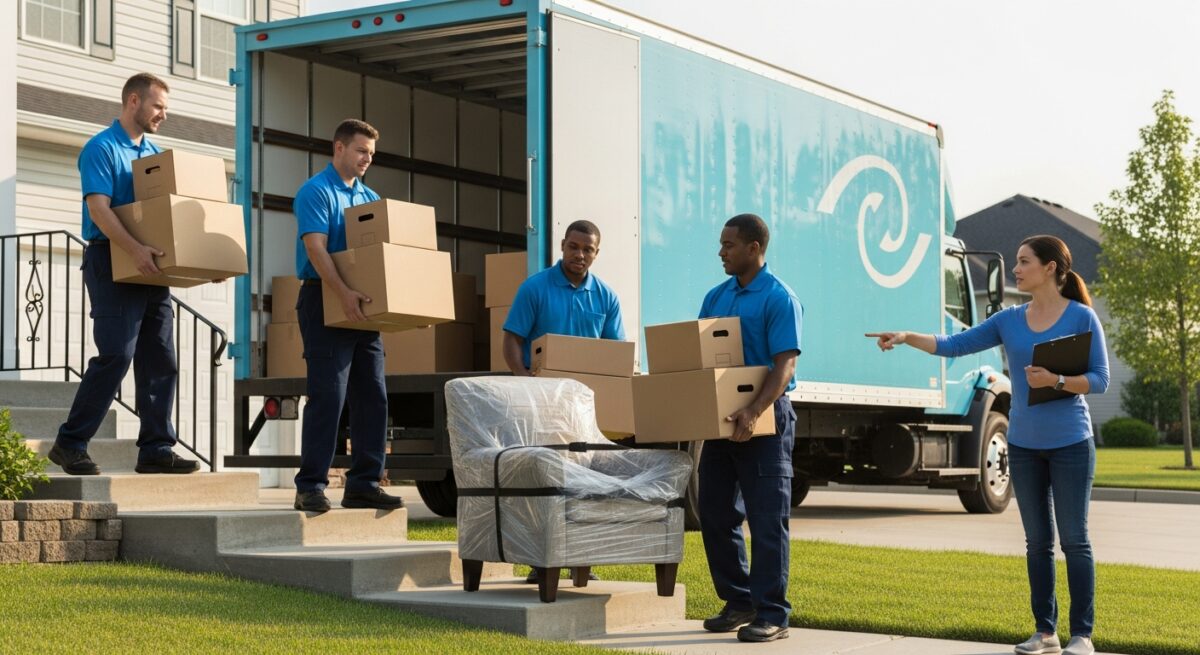
When the movers arrive, your role shifts from packer to director. You need to oversee the loading process while staying out of the way. Start by showing the crew leader around the house. Point out which items are fragile, which boxes are heavy, and which pieces of furniture require special handling. If you have items that need custom crating or extra care, such as artwork or antiques, make sure the movers know about them first. Moving.Homes offers specialized handling for art and antiques, so if you have arranged this service, remind the team of the specific items.
As the loading progresses, keep a master inventory list. This list is your best defense against lost items. Check off each box and piece of furniture as it is loaded onto the truck. Note any existing scratches or dents on furniture before it goes on the truck. This documentation protects you if you need to file a claim. While the movers work, stay hydrated and take breaks. Moving is physically and mentally demanding, and you need to conserve your energy for the unloading phase.
Do not forget to handle last-minute items. Disconnect your washer and dryer if the movers do not do this. Drain water from hoses and secure loose parts. If you have a refrigerator with an ice maker, disconnect the water line and defrost the freezer if necessary. These small steps prevent water damage and make the appliances easier to move. Also, remove any personal items from the fridge and freezer. Dispose of perishable food or give it to a neighbor. You do not want spoiled food to ruin your first day in the new home.
Arrival and Unloading: Setting Up for Success
Arriving at your new home is exciting, but it can also be chaotic. Before the movers start unloading, do a quick walkthrough of the property. Check for any major issues like leaks, broken windows, or pest problems. If you notice something serious, document it immediately. Then, direct the movers on where to place furniture and boxes. Having a basic floor plan in mind saves time and prevents heavy furniture from being moved twice. Label rooms clearly with sticky notes or signs so the movers know where each item goes.
Unloading is the most physically demanding part of the day. Stay close to the action to answer questions and direct traffic. Keep your essentials bag nearby so you can access it without digging through boxes. As boxes come in, check them against your inventory list. This is also the time to inspect furniture for damage. If you see a new scratch or dent, note it on your inventory and take a photo. Report any damage to the moving company immediately. Most reputable companies, including Moving.Homes, have a claims process, but you need to act quickly.

Once the truck is empty, do a final check of the truck and the moving pads. Make sure nothing has been left behind. Then, tip the movers if you are satisfied with their work. A standard tip is 15 to 20 percent of the total moving cost, or about $20 to $40 per mover for a full-day move. Cash is preferred, but some companies allow tips on credit cards. After the movers leave, take a deep breath. The hardest part is over. Now you can focus on unpacking and settling in.
Immediate Post-Move Tasks
The first few hours in your new home set the tone for the weeks ahead. Start by setting up essential rooms. Make the beds first. You will be exhausted, and having a comfortable place to sleep is crucial. Assemble bed frames, put on sheets and pillows, and make sure the mattresses are in place. Next, focus on the bathroom. Unpack towels, toiletries, and a shower curtain. Having a functional bathroom means you can clean up after a long day.
Set up your kitchen with the basics. Unpack one box of dishes, a few pots and pans, and essential utensils. Plug in the coffee maker or kettle. You do not need to unpack every box, but having the ability to make a meal or a hot drink makes the new house feel more like home. Also, locate the circuit breaker, water shut-off valve, and gas shut-off. Knowing where these are in an emergency can prevent a small problem from becoming a disaster.
Another critical task is to change the locks. You never know who has copies of the old keys. Rekeying the locks or installing new ones is a simple security measure that protects your family and belongings. If you are renting, ask your landlord for permission or if they can do it for you. For homeowners, this is a standard part of moving in. Also, update your address with the post office, banks, and any subscription services. A change of address is often overlooked in the chaos, but it prevents mail from being lost or delayed.
In our comprehensive guide on change of address and utilities your moving checklist, we explain how to handle these critical steps efficiently. This resource covers everything from notifying the USPS to transferring your internet service, ensuring you do not miss any important updates.
Frequently Asked Questions
What should I do if the movers are late?
First, stay calm and call the moving company for an updated arrival time. If you used a reputable service like Moving.Homes, they will communicate delays clearly. While you wait, continue with your own tasks. Do not cancel any other arrangements until you have a firm new time. If the delay is significant (over two hours), ask if the company offers compensation or a discount. Document the delay in case you need to file a complaint later.
How do I prepare for moving with pets or children?
Pets and children require special planning. Arrange for a friend, family member, or pet sitter to watch them on moving day. The noise, chaos, and open doors can be dangerous for animals and overwhelming for kids. Pack a separate bag for each child with toys, snacks, and comfort items. For pets, prepare a travel crate, food, water, and a leash. Keep them in a quiet room away from the moving activity until you are ready to transport them to the new home.
What items should I never pack in the moving truck?
Never pack hazardous materials, perishable food, important documents, medications, or valuables like jewelry and cash. Hazardous items include propane tanks, paint thinners, cleaning chemicals, and batteries. These items are not allowed on moving trucks for safety reasons. Keep all important documents, such as passports, birth certificates, and financial records, with you. Also, pack a first-aid kit and any tools you might need for reassembling furniture.
How can I avoid damage to my belongings during the move?
Use high-quality packing supplies. Double-layer boxes, bubble wrap, and packing paper are worth the investment. Label boxes as fragile and indicate which side should face up. For electronics, use original packaging if possible. Wrap furniture in moving blankets and secure with straps. If you have extremely valuable or fragile items, consider professional packing services. Moving.Homes offers expert packing services that ensure your items are protected by trained professionals using industry-standard techniques.
What if something is damaged during the move?
Document the damage immediately with photos. Note it on your inventory list and inform the moving company as soon as possible. Most moving companies have a claims process, but you must report damage within a specific timeframe, often within 30 days. Keep all packaging and the damaged item until the claim is resolved. If you purchased moving insurance, contact the insurance provider directly. For high-value items, consider purchasing additional coverage before the move.
Final Thoughts on Your Moving Day
Moving day is a marathon, not a sprint. By following a comprehensive moving day checklist everything you need to do, you can transform a stressful experience into a manageable, even rewarding, process. The key is to stay organized, communicate clearly, and prioritize your well-being. Remember that professional help is available for nearly every aspect of moving, from packing to storage to specialized handling. You do not have to do it all alone. Services like those offered by Moving.Homes exist to take the burden off your shoulders and give you more time to focus on your new beginning. After the last box is unpacked and the last piece of furniture is in place, take a moment to appreciate your accomplishment. You have navigated one of life’s most complex logistical challenges, and your new home is waiting for you to make it your own.
For those looking to save money or manage expenses during a move, exploring financial options like auto loan refinancing can free up monthly cash flow to cover moving costs or unexpected expenses. This is one of many small financial strategies that can make a big difference during a relocation.