Moving and Packing Help: Complete Guide for Easy Relocation
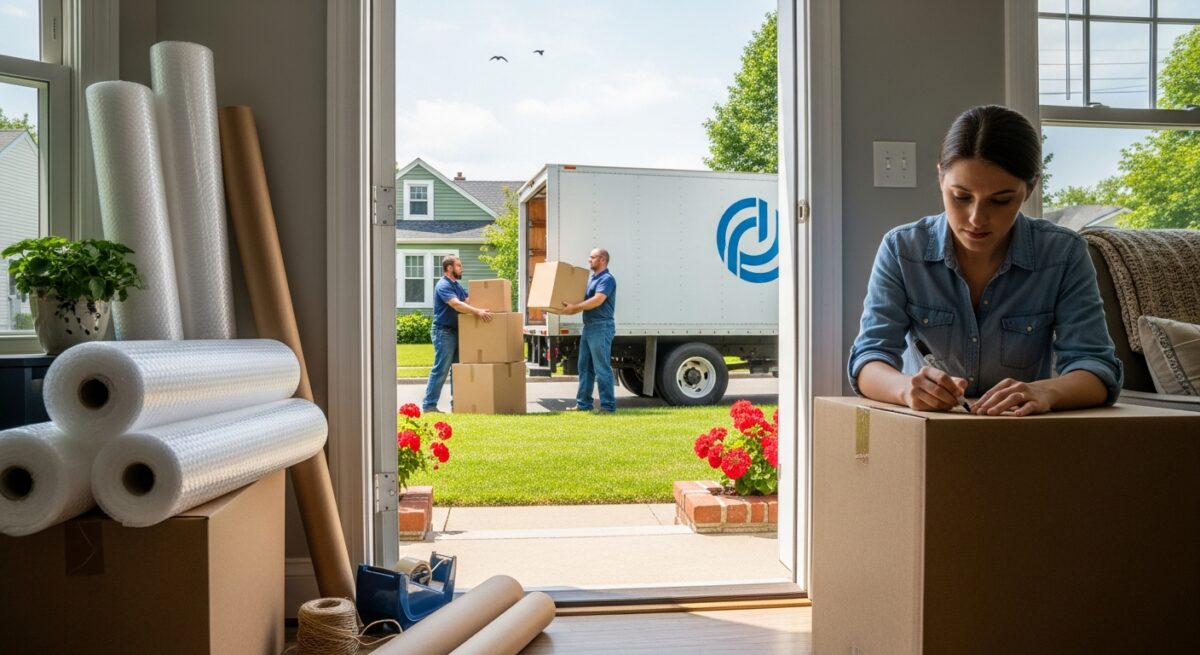
Relocating to a new home is one of life’s most significant events. It brings excitement for a fresh start but also the stress of organizing, lifting, and transporting your entire life. Many people underestimate the sheer amount of work involved until boxes start piling up. That is why understanding how to approach moving and packing help can transform a chaotic experience into a manageable process. Whether you are moving across town or across the country, having a clear strategy for packing assistance services and moving help tips will save you time, money, and frustration.
This guide walks you through every stage of the relocation journey. You will learn how to plan your timeline, choose between professional services and DIY methods, pack your belongings safely, and handle moving day with confidence. By the end, you will have a complete roadmap to simplify your move and reduce stress at every step.
Why Planning Your Move Early Matters
Starting your moving preparations six to eight weeks ahead of your move date gives you a significant advantage. Early planning allows you to book reliable movers, gather packing supplies, and sort through your belongings without last-minute panic. Many people make the mistake of waiting until two weeks before moving day, which leads to rushed decisions and higher costs.
When you plan early, you also have time to research moving and packing help options thoroughly. You can compare quotes from different companies, read reviews, and verify credentials. This research phase is critical because it helps you avoid scams and unprofessional services. A well-planned move typically costs less and involves fewer surprises than one thrown together at the last minute.
Additionally, early planning gives you the opportunity to declutter your home. Going through each room and deciding what to keep, donate, sell, or discard reduces the volume of items you need to pack and move. This not only lowers your moving costs but also makes unpacking in your new home much easier. For more detailed strategies, you can plan a smooth home relocation with our step-by-step checklist.
Assessing Your Moving Needs: DIY vs. Professional Help
One of the first decisions you need to make is whether to handle the move yourself or hire professional movers. Each option has distinct advantages depending on your budget, timeline, and the complexity of your move. A small studio apartment move across town might be perfectly manageable with a rented truck and some friends. However, a three-bedroom house with fragile items and heavy furniture often benefits from professional expertise.
Consider these factors when making your choice:
- Distance of the move: Local moves under 50 miles are easier to DIY than long-distance relocations that require fuel, lodging, and driving time.
- Volume and weight of belongings: More items mean more trips, more physical strain, and higher equipment costs for a DIY move.
- Special items: Pianos, antiques, artwork, and large appliances require specialized packing and handling that professionals provide.
- Your available time: A full DIY move can take several days of work. Professionals can complete the job in a single day.
- Physical ability: Moving heavy boxes and furniture poses injury risks if you are not experienced or physically prepared.
If you choose professional help, look for companies that offer packing assistance services. Many full-service movers include packing materials and labor in their quotes. This option is especially valuable if you have a busy schedule or limited physical capacity. On the other hand, if you prefer a DIY approach, renting moving equipment and recruiting friends can work well with proper coordination.
Creating a Moving Budget That Works
Moving costs can quickly spiral out of control without a clear budget. Start by listing all potential expenses: moving truck rental or professional mover fees, packing supplies, insurance, travel costs, and any storage fees. Add a contingency fund of at least 10 to 15 percent for unexpected expenses like extra packing tape, last-minute storage, or meals during the move.
For professional moves, request in-home estimates from at least three moving companies. These estimates should be based on a physical inspection of your belongings, not just a phone call. Compare the estimates carefully. The cheapest option is not always the best. Look for transparent pricing that includes packing materials, labor, fuel charges, and insurance. Ask about additional fees for stairs, long carries, or bulky items.
If you are on a tight budget, consider hybrid approaches. For example, hire movers only for heavy furniture and large appliances, but pack all smaller items yourself. This strategy gives you professional moving help tips for the hardest parts while saving money on packing labor. You can also save by sourcing free boxes from local stores or using suitcases and laundry baskets for soft items.
Gathering Packing Supplies and Materials
Having the right packing supplies makes a significant difference in protecting your belongings and speeding up the process. You will need a variety of box sizes: small boxes for heavy items like books, medium boxes for kitchen items and toys, and large boxes for lightweight items like bedding and pillows. Specialty boxes are available for wardrobes, dishes, and mirrors.
Essential packing materials include:
- Strong packing tape with a tape dispenser for efficiency
- Bubble wrap and packing paper for fragile items
- Furniture pads or moving blankets to protect surfaces
- Permanent markers and labels for box identification
- Stretch wrap for securing drawers and keeping items together
- Ziplock bags for hardware and small parts
Invest in quality packing tape rather than cheap alternatives. Tape that fails during transport can lead to broken items and spilled contents. Similarly, use adequate cushioning material inside each box. Fill empty spaces with packing paper or bubble wrap to prevent items from shifting during transit. Proper packing is a core component of any moving and packing help guide because it directly affects the condition of your belongings upon arrival.
Room-by-Room Packing Strategy
Packing without a plan leads to disorganization and confusion when unpacking. A room-by-room approach keeps everything systematic and manageable. Start with rooms you use least frequently, such as guest bedrooms, storage areas, and formal dining rooms. Leave everyday spaces like the kitchen and bathroom for last.
Label each box clearly with its contents and destination room. Use a color-coding system with markers or colored tape to make identification instant. For example, red tape for the kitchen, blue for the master bedroom, and green for the living room. This system helps movers place boxes in the correct rooms without constant questions.
When packing each room, follow these guidelines:
- Disassemble furniture where possible and keep hardware in labeled bags taped to the furniture piece.
- Wrap fragile items individually in packing paper or bubble wrap, then nest them with cushioning material.
- Pack heavy items in small boxes to keep weight manageable and prevent box bottoms from breaking.
- Roll clothing and linens instead of folding to save space and reduce wrinkles.
- Keep important documents and valuables in a separate bag you transport yourself.
Do not overpack boxes. A box should be heavy enough to feel substantial but light enough to lift without strain. If a box feels too heavy, redistribute contents into another box. Overpacked boxes are prone to breaking and cause back injuries.
Hiring Professional Movers and Packing Assistance Services
When you decide to hire professionals, take time to find a reputable company. Ask friends and family for recommendations, and check online reviews on multiple platforms. Verify that the moving company is licensed and insured. For interstate moves, the company should have a U.S. Department of Transportation number. For local moves, check state requirements.
Before signing a contract, get a written estimate that details all charges. Be wary of companies that ask for large deposits upfront or only accept cash. Reputable movers typically ask for payment after the move is complete or require a small deposit at booking. Read the contract carefully, especially the sections about liability for damaged items and the process for filing claims.
Packing assistance services range from full packing where professionals handle everything to partial packing where they pack only fragile or complex items. Discuss your needs with the moving company and choose a service level that fits your budget. Many companies offer free quotes for packing services, allowing you to compare costs across providers.
If you opt for professional packing, be present during the process to answer questions and point out items that need special attention. Mark boxes that contain high-value items so you can track them during unloading. After the move, inspect boxes for damage before signing off on the delivery.
Managing Moving Day Logistics
Moving day itself requires coordination and calm. Start the day early with a good breakfast and hydration. Have a clear plan for where the moving truck will park and how movers will access your home. Clear pathways of obstacles and protect floors with drop cloths or cardboard.
Keep a moving day essentials box with items you will need immediately at your new home. This box should include toiletries, a change of clothes, basic tools, phone chargers, snacks, water, and important documents. Label this box clearly and keep it with you rather than loading it onto the truck.
Communicate with the moving crew throughout the day. Provide clear directions about which items go to which rooms. If something is particularly fragile or valuable, point it out personally. Stay available to answer questions, but avoid micromanaging the movers. Trust their experience while ensuring your instructions are followed.
After the truck is loaded, do a final walkthrough of your old home. Check closets, cabinets, the attic, basement, and garage for forgotten items. Verify that all utilities are turned off or transferred. Lock all doors and windows before leaving. At your new home, supervise the unloading process and direct movers to appropriate rooms.
Unpacking and Settling In
Unpacking can feel overwhelming, but a systematic approach makes it manageable. Start with essential rooms: the kitchen, bathrooms, and bedrooms. Set up beds first so you have a place to sleep after a long day. Unpack the kitchen enough to prepare meals and coffee. Bathrooms need toiletries and towels for immediate use.
After essentials are in place, move to other rooms one at a time. Open boxes in their designated rooms and sort items onto surfaces before putting them away. This prevents multiple trips back and forth between rooms. Dispose of packing materials as you go to keep your new space tidy.
Take your time with non-essential items. You do not need to unpack everything in the first week. Give yourself permission to live with some boxes for a while as you decide where things belong permanently. This reduces pressure and helps you make better organizational decisions.
Update your address with the post office, banks, insurance companies, and any subscription services. Transfer utilities to your name at the new address. Introduce yourself to neighbors and explore your new community. Settling in is not just about unpacking boxes. It is about making your new house feel like home.
Frequently Asked Questions
How far in advance should I book moving and packing help?
Book professional movers at least four to six weeks before your move date. During peak moving season (May to September), book eight weeks ahead. Packing assistance services should be scheduled at the same time to ensure availability.
What is the cheapest way to get packing supplies?
Ask local grocery stores, liquor stores, and bookstores for free boxes. Use towels, blankets, and clothing as padding instead of buying bubble wrap. Check online marketplaces where people give away moving boxes after their move.
Should I tip professional movers and packers?
Tipping is customary for good service. A standard tip is 15 to 20 percent of the total moving cost, split among the crew. For packing assistance services, a flat tip of $20 to $40 per packer is appropriate for a full day of work.
How do I protect fragile items during a move?
Wrap each fragile item individually in packing paper or bubble wrap. Use dish packs with dividers for plates and glasses. Fill empty spaces in boxes with cushioning material. Label boxes as fragile and mark which side should face up.
What items should I not pack in the moving truck?
Do not pack flammable materials, perishable food, plants, pets, important documents, medications, jewelry, or cash in the moving truck. Transport these items yourself in your vehicle.
Moving does not have to be a nightmare. With proper planning, the right moving and packing help, and a positive mindset, you can navigate the process smoothly. Focus on one step at a time and celebrate each milestone along the way. Your new home awaits, and with this guide, you are ready to make the transition with confidence.