Long Distance Furniture Movers Cost and Options Guide
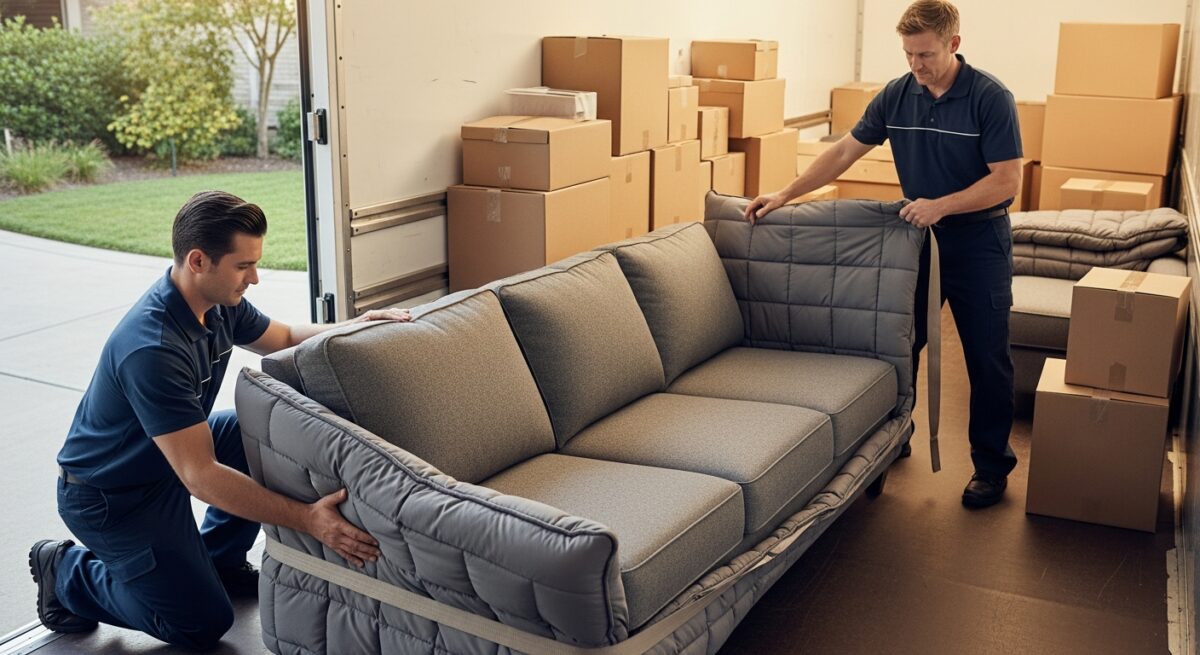
Relocating furniture across state lines is a major financial and logistical decision. Without a clear understanding of pricing structures and service options, you risk overpaying or damaging valuable belongings. This guide breaks down the true cost of hiring long distance furniture movers and the key options available to you, ensuring you make an informed choice for your cross-country move.
Understanding How Long Distance Furniture Movers Calculate Cost
The price you pay for moving furniture cross country is not arbitrary. Professional movers use a combination of factors to generate a quote. The most significant variable is the total weight of your shipment. Unlike local moves charged by the hour, long distance movers charge based on the weight of your furniture and the distance traveled. A typical rate ranges from $0.50 to $1.50 per pound per mile, though this fluctuates with fuel costs and demand.
Another critical factor is the volume of your items. Movers often estimate the cubic feet your furniture occupies inside the truck. Bulky items like grand pianos, large sectionals, or heavy china cabinets increase the volume and weight, driving up the cost. The distance between your origin and destination is calculated using the interstate highway mileage, not a straight line. Seasonal timing also matters: moving during summer months or at the end of a month costs more due to higher demand.
Key Service Options for Furniture Relocation Services
When you hire furniture relocation services, you typically choose between three main service tiers. Each tier offers a different balance of cost, convenience, and control.
Full-service moving is the most expensive but least stressful option. The moving company handles everything from packing and loading to transportation and unloading. They provide all packing materials, disassemble and reassemble furniture, and offer valuation coverage for damages. This option is ideal for heavy or fragile pieces like antique armoires or glass-top tables.
Self-service or hybrid moving offers a middle ground. You pack your belongings yourself, and the mover provides a portable storage container or a truck. You load the container, and the mover transports it to your new home. You then unload it. This option significantly reduces labor costs but requires physical effort and careful packing.
Freight or terminal-to-terminal moving is the most budget-friendly. You deliver your furniture to a local freight terminal, and the company ships it to a terminal near your destination. You are responsible for packing, loading, and unloading at both ends. This option works well for durable items and tight budgets but offers minimal protection and convenience.
Comparing Cost by Service Type
To help you visualize the differences, consider a typical 1,000-mile move for a two-bedroom apartment with approximately 4,000 pounds of furniture. A full-service move might cost between $4,000 and $6,000. A self-service container move might range from $2,500 to $4,000. A freight-only move could be as low as $1,500 to $2,500. These estimates exclude packing supplies, insurance upgrades, and specialty handling fees.
Before choosing a service, request an in-home or video survey from at least three companies. This allows the mover to see exactly what you have and provide a binding estimate. Avoid companies that give quotes over the phone without seeing your items. They often increase the price on moving day.
Hidden Fees and How to Avoid Them
Even with a binding estimate, unexpected charges can arise. Common hidden fees include long-carry fees if the mover must walk more than 75 feet from the truck to your door, stair fees for walk-up apartments, and shuttle fees if the moving truck cannot access your street. Some companies also charge for packing materials, furniture disassembly, or appliance disconnection.
To avoid surprise bills, ask every mover for a written list of potential additional charges. Request a binding-not-to-exceed estimate, which guarantees you will not pay more than the quoted amount even if your furniture weighs more than estimated. If the final weight is less, you pay the lower amount. Always read the fine print in the contract regarding fuel surcharges and tolls.
Another way to protect your budget is to compare financing options. Some moving companies offer payment plans, but you can also explore external resources. For example, if you need to fund your move before selling your old home, a service like Start Auto Loan can provide insights into personal loan options that cover relocation expenses. This approach can help you secure the funds you need upfront and pay them off over time.
Insurance and Valuation Coverage for Cross-Country Moves
Protecting your furniture during a long-distance move is essential. Federal law requires all interstate movers to offer two types of valuation coverage. Released value protection is included at no extra cost but offers minimal coverage of 60 cents per pound per item. This means a damaged 50-pound dresser would only yield $30, regardless of its actual value.
Full value protection is a paid upgrade that requires the mover to repair, replace, or offer a cash settlement for lost or damaged items. The cost is typically 1% to 2% of the declared value of your shipment. For a $10,000 furniture set, this might cost $100 to $200. This coverage is strongly recommended for high-value pieces.
You can also purchase third-party moving insurance for additional peace of mind. This is especially useful if you have antiques, artwork, or electronics that exceed the mover’s liability limits. Always document the condition of your furniture with photos and a detailed inventory before loading day.
Preparing Your Furniture for a Cross-Country Move
Proper preparation reduces the risk of damage and can lower your costs. Start by disassembling large items like bed frames, dining tables, and entertainment centers. Keep screws and bolts in labeled bags taped to the furniture. Wrap delicate surfaces with moving blankets and stretch wrap, not just newspaper or bubble wrap.
For items with glass doors or mirrors, remove the glass and pack it separately using mirror boxes. Use corner protectors on furniture legs and edges. If you are packing yourself, use double-walled boxes for heavy items and fill empty spaces with packing paper to prevent shifting. Label all boxes with the room they belong to and a brief description of contents.
Consider the value of your furniture before moving it. Sometimes, shipping a cheap particleboard dresser across the country costs more than replacing it. Create a list of items that are worth moving versus items you should sell or donate. This reduces the weight of your shipment and lowers your overall cost.
Frequently Asked Questions
How far in advance should I book long distance furniture movers? Book at least 4 to 6 weeks before your move date, especially during peak season from May to September. Last-minute bookings often cost more and have limited availability.
Can I negotiate the price with a moving company? Yes, you can negotiate, especially if you have multiple quotes. Some movers will match or beat a competitor’s price. Be polite but firm, and ask for discounts for paying in cash or booking during off-peak times.
Do movers disassemble and reassemble furniture automatically? Not always. Full-service moves typically include this, but self-service or hybrid options may charge extra. Confirm this in writing before signing the contract.
What happens if my furniture arrives damaged? Document the damage immediately on the delivery receipt. Notify the mover in writing within 30 days for interstate moves. File a claim with the mover’s insurance or your third-party policy.
Are there items movers will not transport? Yes. Most movers refuse hazardous materials, perishable food, plants, and flammable liquids. They may also decline extremely fragile items without proper packing. Check the mover’s prohibited items list in advance.
Choosing the right long distance furniture movers requires careful comparison of costs, services, and coverage. By understanding how weight, distance, and service type affect your final bill, you can budget accurately and avoid common pitfalls. Whether you opt for full-service convenience or a budget-friendly freight option, the key is to get multiple binding estimates and read every contract detail. With the right preparation and a reliable moving partner, you can transport your furniture across the country with confidence and minimal stress.