Local Household Movers and Residential Relocation Guide
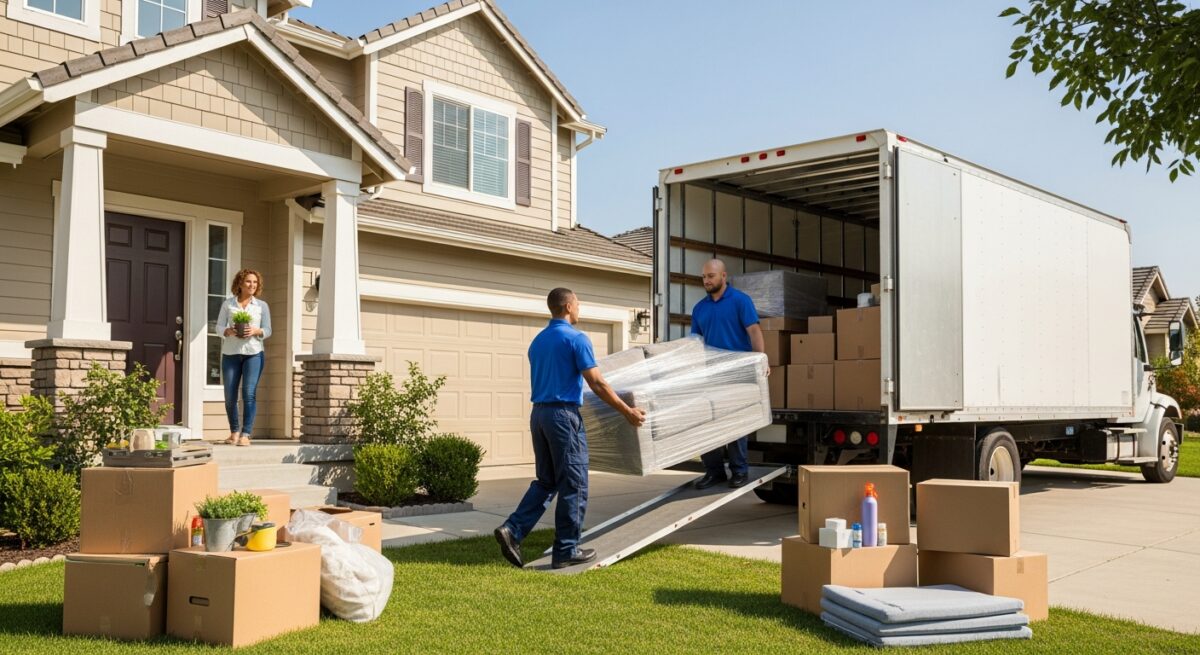
Moving your home is one of the most significant events in life. It brings a mix of excitement for a fresh start and stress over the logistics involved. Whether you are moving across town or just a few neighborhoods away, the process requires careful planning, physical labor, and coordination. Hiring local household movers can transform this overwhelming task into a manageable, even smooth, experience. Professional residential moving services save you time, protect your belongings, and reduce the physical strain of lifting heavy furniture. This guide walks you through every stage of your local move, from choosing the right team to settling into your new home, ensuring you feel prepared and confident.
Local moves differ from long-distance relocations in several key ways. They typically involve shorter distances, less travel time, and more flexible scheduling. However, they still demand attention to detail. You might be moving a few blocks away or to a different suburb, but the core challenges remain the same: packing fragile items safely, transporting large furniture, and unpacking efficiently. By understanding the nuances of residential relocation, you can avoid common pitfalls like damaged goods, lost boxes, or unexpected fees. This comprehensive residential relocation guide will help you navigate each step with clarity, turning a potentially chaotic day into a well-organized transition.
Why Choose Local Household Movers for Your Move
Selecting the right moving company is the most critical decision you will make during your relocation. Local household movers offer distinct advantages over general labor or DIY methods. They understand the specific neighborhoods, traffic patterns, and building regulations in your area. This local knowledge allows them to plan the most efficient route, anticipate parking challenges, and navigate tight streets or apartment complexes. Professional residential moving services also come equipped with the right tools: dollies, furniture pads, straps, and specialty boxes for fragile items like mirrors or electronics.
Beyond equipment, local home movers provide trained crews who know how to safely lift heavy items, disassemble and reassemble furniture, and protect your floors and walls. Many homeowners underestimate the physical toll of moving. Lifting a sofa down a narrow staircase or carrying a washing machine up two flights of stairs can lead to injury or property damage. Professional movers carry insurance, which means your belongings are covered if something goes wrong. Additionally, hiring experts frees up your time, allowing you to focus on other important tasks like changing your address, setting up utilities, and cleaning your old home.
Planning Your Residential Relocation Timeline
A successful move starts weeks before the moving truck arrives. Creating a timeline helps you stay organized and reduces last-minute panic. Begin by setting your moving date and booking your movers at least four to six weeks in advance, especially during peak seasons like summer or the end of the month. Local household movers often have packed schedules, so early booking ensures you get your preferred date. Next, start decluttering your home. Go through each room and decide what to keep, donate, sell, or throw away. This not only reduces the volume of items you need to move but also lowers your moving cost, as many companies charge based on weight or volume.
Three weeks before moving day, begin gathering packing supplies. You will need sturdy boxes in various sizes, packing tape, bubble wrap, markers, and labels. Start packing non-essential items first: seasonal clothing, books, decorative items, and seldom-used kitchen gadgets. Two weeks out, confirm all details with your moving company, including the arrival time, parking arrangements, and any special requirements for large items like a piano or treadmill. One week before the move, pack a “essentials box” with items you will need immediately upon arrival: toiletries, a change of clothes, phone chargers, important documents, snacks, and basic tools. Finally, the day before the move, defrost your refrigerator, disconnect electronics, and do a final walkthrough of your home to ensure nothing is left behind.
Preparing Your Home for Moving Day
Proper preparation on moving day itself can significantly speed up the process. Start early in the morning by clearing pathways. Move small items out of hallways and doorways so the crew can navigate easily. If you are using professional residential moving services, they will appreciate clearly marked boxes. Label each box with its destination room and a brief description of its contents. Use color-coded stickers or markers for a quick visual system: red for the kitchen, blue for the bedroom, green for the living room, and so on. This simple step saves movers from asking where each box goes and speeds up the unloading process.
Protect your floors and walls before the movers arrive. Lay down drop cloths or old blankets on high-traffic areas. Remove any fragile items from shelves and secure them in padded boxes. If you have valuables like jewelry, important documents, or heirlooms, transport them yourself rather than leaving them with the movers. Also, disassemble any furniture that cannot be moved as a whole, such as bed frames or large tables, and keep the hardware in a labeled bag taped to the piece. Finally, ensure that parking is available for the moving truck. Reserve a spot in front of your home or coordinate with your building manager to reserve the loading dock. A clear path from the door to the truck prevents delays and keeps the crew working efficiently.
Managing Costs and Avoiding Hidden Fees
One of the biggest concerns for any homeowner is the cost of moving. Local household movers typically charge by the hour, with rates varying based on the number of movers, the size of the truck, and the distance. On average, a local move for a two- to three-bedroom home can cost between $800 and $2,500. However, surprise fees can inflate this price if you are not careful. To avoid hidden charges, ask for a detailed written estimate that includes all potential costs. Reputable movers provide a binding estimate, meaning the price will not change unless you add services or items.
Common additional fees include charges for stairs, long carries (if the truck cannot park close to the door), bulky items like pool tables or safes, and packing materials. Some companies also charge extra for moving on weekends or holidays. To keep costs down, pack as much as you can yourself using free or recycled boxes. Be transparent with the moving company about the exact inventory you have. If you add items on moving day, your estimate may no longer be valid. Also, consider the timing of your move. Weekdays and mid-month dates are often cheaper than weekends or the end of the month when demand is highest. By planning ahead and communicating clearly, you can stay within your budget.
Essential Items to Pack in Your First-Night Box
After a long day of moving, the last thing you want is to dig through dozens of boxes to find a toothbrush or a coffee maker. Packing a first-night box ensures you have everything you need for the first 24 hours in your new home. This box should be clearly marked and kept with you in your car, not loaded onto the moving truck. Here are key items to include:

- Toiletries and medications: Toothbrush, toothpaste, soap, shampoo, deodorant, prescription medications, and a first-aid kit.
- Clothing and linens: A change of clothes for each family member, pajamas, towels, and a set of sheets and pillows for each bed.
- Kitchen basics: Paper plates, disposable cups and utensils, a knife, a can opener, coffee or tea, and a few non-perishable snacks.
- Electronics and documents: Phone chargers, a power strip, your laptop, important documents (leases, IDs, medical records), and a flashlight with extra batteries.
- Tools and cleaning supplies: A basic toolkit (screwdriver, hammer, pliers), scissors, trash bags, paper towels, and all-purpose cleaner.
Having these essentials accessible will make your first evening in the new home comfortable rather than chaotic. You can focus on assembling beds, setting up the kitchen, and getting a good night’s rest. The next day, you can tackle the larger task of unpacking with a clear mind. Remember to also include items for children and pets, such as favorite toys, food bowls, and bedding, to help them feel secure in the new environment.
Unpacking and Settling Into Your New Home
Once the movers have unloaded everything, the real work begins. Unpacking can feel as daunting as packing, but a systematic approach makes it manageable. Start with the most essential rooms: the bedroom and the kitchen. Make your bed first so you have a place to sleep. Unpack the kitchen enough to prepare a simple meal. Then move on to the bathroom so you can shower and freshen up. Leave less critical rooms like the guest bedroom or home office for later. As you unpack, try to arrange furniture in a way that feels functional and comfortable. You do not have to finalize everything on the first day. Live in the space for a week or two before making permanent decisions about furniture placement and decor.
Another important step is to update your address with all relevant parties. Notify the post office, your bank, credit card companies, insurance providers, and any subscription services. This ensures you continue to receive mail without interruption. Also, introduce yourself to your new neighbors. A friendly greeting can help you feel more connected to your community. If you have children, take them to explore the neighborhood and find local parks or schools. For more detailed advice on selecting the right movers for your situation, review our guide on Choosing Local House Moving Companies. This resource offers additional tips on vetting companies, comparing quotes, and ensuring a smooth partnership with your moving team.
Frequently Asked Questions
How early should I book local household movers?
It is best to book your movers at least four to six weeks before your desired moving date. During peak seasons like summer or the end of the month, demand is high, and popular companies may be fully booked. Early booking also gives you time to compare quotes and secure the best rate.
What is typically included in a local moving quote?
A standard local moving quote includes labor, transportation, and basic equipment like dollies and furniture pads. It may also cover fuel and travel time. However, it usually does not include packing materials, specialty item handling (e.g., pianos or art), or fees for stairs or long carries. Always ask for a detailed breakdown.
Can I pack my own items to save money?
Yes, packing your own boxes is a great way to reduce costs. However, if you pack fragile items incorrectly, the moving company may not cover damage under their insurance. Use proper packing materials like bubble wrap and sturdy boxes. For valuable or delicate items, consider paying for professional packing services.
How do I protect my floors and walls during the move?
Professional movers typically use floor runners, corner protectors, and furniture pads to prevent damage. You can also lay down drop cloths or old sheets on high-traffic areas. Clear any clutter from hallways and doorways to create a clear path. If you have hardwood floors, ask the movers to wear shoe covers.
What should I do if an item is damaged during the move?
Inspect all boxes and furniture upon delivery. Note any damage on the moving inventory sheet before signing it. Take photos of the damaged items and the packaging. File a claim with the moving company as soon as possible. Most reputable movers offer basic liability coverage, but you may need to purchase additional valuation coverage for high-value items.
Choosing the right financial tools can also ease the transition into your new home. Many homeowners explore options for consolidating debt or managing moving expenses. For those considering refinancing options after a move, a resource like car loan refinancing may help free up monthly cash flow, allowing you to allocate more funds toward home improvement or settling-in costs. Careful financial planning complements your physical relocation, ensuring a stable start in your new residence.
Making Your Move a Positive Experience
Relocating your home is a journey that requires patience, organization, and support. By choosing professional local household movers and following a structured plan, you can reduce stress and avoid common setbacks. The key is to start early, communicate clearly with your moving team, and stay flexible when unexpected challenges arise. Remember that the goal is not just to transport your belongings, but to create a fresh start in a space that feels like home. Take time to celebrate the move with your family. Order pizza on the first night, explore your new neighborhood, and give yourself grace during the unpacking process. With the right preparation and mindset, your residential relocation can be a rewarding chapter in your life story.