Local Furniture Moving Companies and Service Comparison

Moving furniture across town or to a neighboring city can feel overwhelming. You need to protect your valuable sofa, dining table, and bed frames while staying within budget. The challenge is finding a trustworthy team that handles your items with care and arrives on time. This article provides a practical comparison of local furniture moving companies and service comparison so you can make an informed choice. We will cover what to look for, how pricing works, and which questions to ask before booking. Whether you are moving a single piece or an entire home, understanding your options saves you time, money, and stress.
Understanding Local Furniture Moving Services
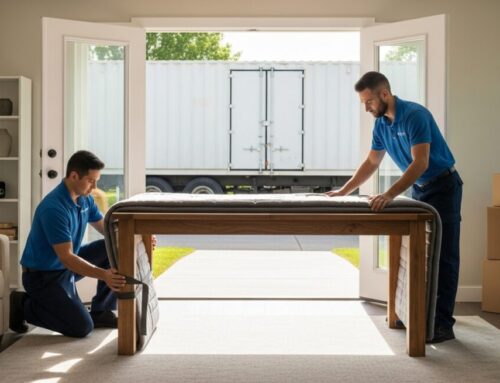
Local furniture moving companies specialize in transporting household items within a limited geographic area, typically under 100 miles. Unlike national movers that handle cross-country relocations, these businesses focus on short-distance moves. They often offer flexible scheduling and personalized attention. Services range from simple loading and unloading to full-service packing, disassembly, and reassembly. Many also provide temporary storage if your new place is not ready yet. When you search for furniture movers near me, you usually see a mix of small independent operators and regional franchises. The key difference lies in their equipment, insurance coverage, and customer service policies.
A professional local move usually includes a pre-move survey, either in person or via video call. The mover inspects your furniture for existing damage, measures doorways and staircases, and notes any special handling requirements. This survey forms the basis of your binding quote. Reputable companies use furniture pads, shrink wrap, and moving blankets to protect surfaces. They also carry cargo insurance to cover accidental damage during transit. Without this protection, you could be left with a scratched table or a broken leg and no recourse. Always verify that your mover offers basic liability coverage and ask about full-value protection options for high-end pieces.
Key Factors in Comparing Local Movers
Not all local furniture moving companies deliver the same level of service. To make a fair comparison, focus on these five factors:
- Licensing and Insurance: Check that the company is registered with your state’s department of transportation and carries valid liability and cargo insurance. Ask for a copy of their certificate.
- Pricing Structure: Most local movers charge by the hour with a minimum number of hours. Some add travel fees, fuel surcharges, or charges for packing materials. Request a written estimate that itemizes all costs.
- Equipment and Crew Size: A standard two-person crew with a 26-foot truck is typical for a three-bedroom home. Confirm that they bring enough dollies, straps, and ramps to handle your largest pieces.
- Customer Reviews and References: Read recent reviews on Google, Yelp, and the Better Business Bureau. Look for patterns in feedback about punctuality, professionalism, and damage claims.
- Additional Services: Some movers offer packing, unpacking, furniture assembly, and temporary storage. If you need these, compare the bundled price versus separate add-ons.
Once you gather estimates from three to five companies, compare the total cost and scope of services. Do not automatically choose the lowest price. A very cheap estimate may indicate inadequate insurance, inexperienced crews, or hidden fees. Instead, look for a balance between reasonable rates and strong customer satisfaction. Remember that a thorough local furniture moving companies and service comparison includes checking their complaint history with local consumer protection agencies. A company with zero complaints over two years is a safer bet than one with multiple unresolved issues.
How Pricing Works for Local Furniture Moves
Local movers typically use an hourly rate model. The clock starts when the truck arrives at your loading location and stops when the last item is unloaded at the destination. Travel time from the mover’s depot to your home is often included in the base rate or charged as a separate fee. For example, a company might charge $120 per hour for a two-person crew plus a $50 travel fee. If the move takes four hours, your total before taxes and insurance would be $530. Some movers offer flat-rate pricing for simple jobs with a fixed number of items, but this is less common for local moves because traffic and access issues can vary.
Additional costs can arise from stairs, long carries, bulky items, and disassembly. If your furniture needs to be taken down three flights of stairs with no elevator, expect a stair fee. Similarly, if the truck cannot park close to the entrance, a long carry charge may apply. Items like pool tables, grand pianos, or large safes require specialized equipment and extra labor, so they cost more. Always ask for a written breakdown of potential surcharges before you sign a contract. A transparent mover will explain these fees upfront. This approach helps you avoid surprise bills on moving day and makes your local furniture moving companies and service comparison more accurate.
Another important aspect is the minimum charge. Most local companies require a minimum of two or three hours even if your move takes less time. This policy covers their travel and administrative costs. If you are moving only a few pieces, confirm the minimum hours and see if they offer a small-load service. Some movers have a lower minimum for partial moves. Also, ask about payment terms. Many local movers require a deposit upon booking, with the balance due on delivery. Credit cards and cash are standard. Avoid companies that demand full payment upfront or only accept cash, as these are red flags for potential scams.
Questions to Ask Before Hiring
Before you commit to a mover, ask these specific questions to clarify their capabilities and policies:
- Are you licensed and insured in this state? Ask for their USDOT number or state license number. Verify it online through the Federal Motor Carrier Safety Administration or your state’s regulatory body.
- Can you provide a written in-home estimate? A binding estimate based on a physical inspection is more reliable than a quote given over the phone or via a website form.
- What is your policy on furniture disassembly and reassembly? Some movers include this in the hourly rate, while others charge extra for taking apart bed frames or removing table legs.
- How do you handle claims for damaged items? Ask about the claims process timeline and whether they offer full-value protection versus released value protection.
- What is your cancellation or rescheduling policy? Life happens, and you need to know if you can change your moving date without losing your deposit.
After you receive answers, compare them across your shortlisted companies. Consistent, clear responses indicate a professional operation. Vague or evasive answers suggest inexperience or poor customer service. Trust your instincts. If a mover pressures you to sign quickly or refuses to answer questions in writing, consider that a warning sign. Taking the time to ask these questions upfront ensures that your local furniture moving companies and service comparison leads to a reliable partner for your move.

Preparing Your Furniture for Moving Day
Proper preparation reduces the risk of damage and speeds up the loading process. Start by emptying all drawers and cabinets. Remove loose items like books, dishes, and electronics. Secure any removable parts such as shelves, legs, or cushions. For upholstered furniture, vacuum the surfaces and check for stains. Wrap fabric pieces in moving blankets or plastic shrink wrap to protect against dust and moisture. For wooden furniture, apply a thin layer of furniture wax or polish to protect the finish, but avoid products that leave a slippery residue. Glass tabletops and mirrors need special attention. Place a layer of cardboard over the glass, then wrap it in bubble wrap and secure with tape. Label each piece with its destination room and handling instructions, such as fragile or this side up.
Clear pathways from your home to the moving truck. Remove obstacles like rugs, loose floorboards, or low-hanging light fixtures. Measure doorways and hallways to ensure your largest furniture can pass through. If a piece is too wide, the movers may need to remove doors or hinges. Communicate any tight spots to the crew leader before they start. Also, prepare a separate area for items you plan to move yourself, such as important documents, valuables, and personal essentials. Movers are not responsible for items you pack or transport yourself. By organizing your furniture and your home ahead of time, you make the movers’ job easier and reduce the chance of delays or accidents.
Frequently Asked Questions
How far in advance should I book a local furniture mover?
For local moves, booking two to four weeks ahead is ideal. During peak seasons, like summer and the end of the month, you may need to reserve six to eight weeks in advance. Last-minute bookings are possible but may limit your choice of dates and companies.
What is the difference between binding and non-binding estimates?
A binding estimate guarantees the total cost based on the items listed. You cannot be charged more than that amount unless you add items or services. A non-binding estimate is an approximation, and the final bill can be higher based on actual weight or hours. For local moves, binding hourly estimates are common and recommended.
Do I need to be present during the move?
Yes, you or a designated representative should be present at both the pickup and delivery locations. You will need to sign the inventory list and bill of lading. Being there also allows you to point out fragile items and answer any questions the crew might have.
Can local movers transport my furniture to a storage unit?
Yes, many local movers offer a load and unload service for storage units. They can move your furniture into a climate-controlled facility and retrieve it later. This is a cost-effective option if you have a gap between moving out and moving in.
What happens if my furniture is damaged during the move?
If you have purchased valuation coverage, you can file a claim with the moving company. Document the damage with photos and written notes before the crew leaves. Most companies have a claims department that processes requests within 30 to 90 days. For serious damage, you may also file a claim with your homeowner’s or renter’s insurance.
Making Your Final Decision
Selecting the right mover comes down to thorough research and clear communication. Start your local furniture moving companies and service comparison early by gathering at least three estimates. Verify each company’s credentials, read recent reviews, and ask the questions listed above. Pay attention to how they treat you during the inquiry process. A company that answers promptly, explains their pricing clearly, and offers a written estimate is more likely to provide a smooth moving experience. For those also considering a long-distance move, our guide on best rated national moving companies and service comparison offers additional insights for larger relocations.
Remember that the cheapest option is not always the best value. A slightly higher hourly rate often includes better equipment, more experienced crews, and comprehensive insurance. That peace of mind is worth the extra cost, especially for heirloom furniture or expensive electronics. Once you choose a mover, confirm all details in writing, including the date, time, crew size, and total estimated cost. Keep a copy of the contract and the inventory list on moving day. With careful planning and a reliable local mover, your furniture will arrive safely and your move will be far less stressful. Take the time to compare your options now, and you will thank yourself later. Learn more