How to Find Cheap Mobile Home Movers and Save on Costs
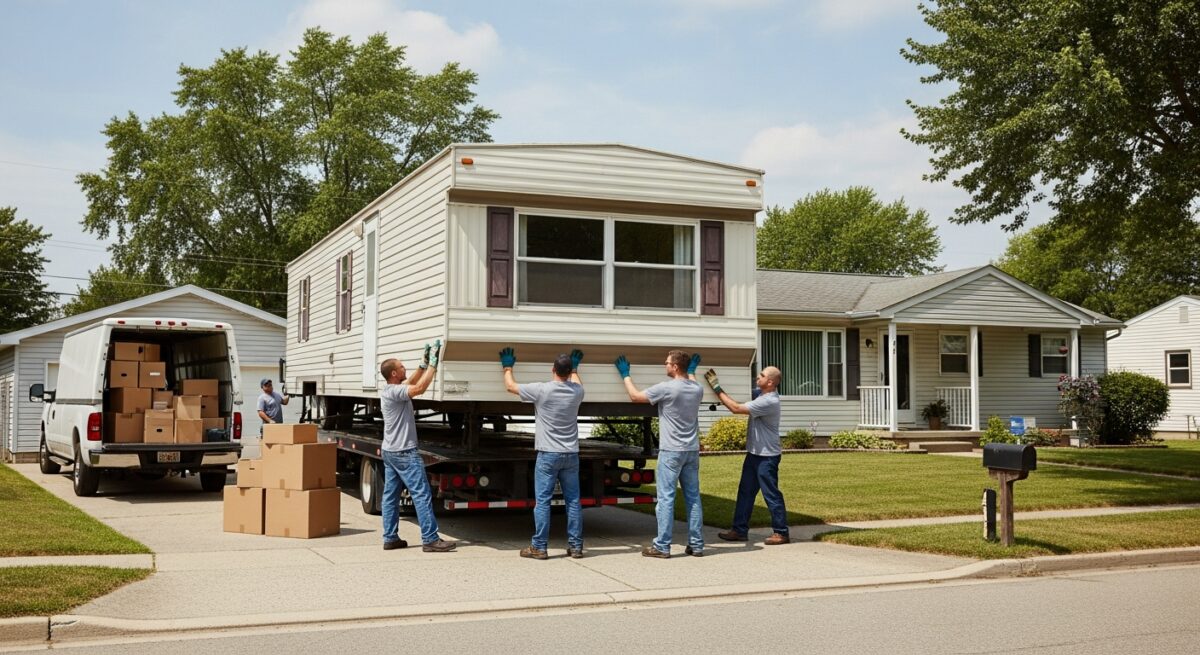
Relocating a mobile or manufactured home is a specialized process that differs significantly from moving a traditional stick-built house. The cost of transporting a mobile home can range from a few thousand dollars to over fifteen thousand, depending on distance, home size, and local regulations. If you are searching for cheap mobile home movers and transportation costs, you need a strategy that balances affordability with safety and compliance. This guide breaks down the key factors that influence pricing, provides actionable steps to reduce expenses, and explains how to vet movers without sacrificing quality.
Understanding the True Cost of Mobile Home Transportation
Before you can find affordable options, you must understand what goes into the final price. Movers calculate their rates based on several variables, and knowing these helps you spot hidden fees and compare quotes fairly. The most significant cost driver is the distance the home must travel. Local moves under 50 miles often have a flat fee, while long-distance moves are priced per mile. For example, moving a single-wide home 30 miles might cost $2,000 to $4,000, whereas a 200-mile move could run $6,000 to $10,000 or more.
The size and weight of your home also matter. Double-wide and triple-wide homes require additional permits, escort vehicles, and specialized trailers, which increase the total. The cheap mobile home movers and transportation costs you see advertised often apply to smaller, single-wide units on flat terrain. If your home is older or has structural issues, the mover may charge extra for reinforcement or risk assessment. Additionally, the complexity of the move, such as navigating narrow roads, low-hanging trees, or tight corners, can add surcharges.
Permits are another unavoidable expense. Each state, county, and municipality imposes its own fees for oversized loads. A typical permit package for a mobile home transport can cost $200 to $800, but in high-traffic areas or states with strict regulations, it can exceed $1,500. Professional movers usually handle permit applications and include them in their estimate, but always confirm this upfront. Finally, storage fees can accumulate if your new site is not ready on move day. Many companies charge daily storage if they cannot deliver immediately, so plan your timeline carefully.
How to Identify Affordable and Reliable Movers
Finding a mover that offers low rates without cutting corners requires research. Start by gathering at least three written estimates from licensed and insured companies. Avoid any mover that gives a quote over the phone without inspecting the home or asking detailed questions. Reputable movers will want to see the home’s condition, the route, and the setup at the destination. When comparing quotes, look beyond the bottom line. A cheap estimate may omit permit fees, travel fuel surcharges, or setup costs that are added later.
You can use several strategies to lower the price. First, consider moving during the off-season. Most mobile home relocations happen between spring and fall, so winter months often come with discounted rates. Second, prepare your home for transport. Remove all personal belongings, disconnect utilities, and ensure the home is clean and structurally sound. Movers charge extra for handling furniture, debris, or unexpected repairs. Third, ask about combining your move with another job. Some smaller companies will discount if they can schedule your transport on the same route as another customer, reducing their deadhead miles.
Another way to save is by handling some tasks yourself. For instance, you can apply for the required permits directly with your local transportation department, though this requires research and time. You can also hire a separate crew to handle site preparation, such as grading the land or installing the foundation, while the mover only handles transport. This unbundles services and often results in a lower overall cost. However, be cautious: if the mover offers a package deal that includes setup, it may be more cost-effective than hiring multiple contractors.
When vetting movers, check their USDOT number and read reviews on the FMCSA website. Look for patterns of complaints about damage, delays, or unexpected charges. A mover that has been in business for several years and has a clean safety record is worth paying slightly more for. In our guide on how modular home movers relocate manufactured homes safely, we explain the key safety protocols that professional transporters follow. This resource can help you identify companies that prioritize care over speed.
Key Factors That Influence Transportation Costs
Several elements directly affect the final invoice. Understanding them allows you to make informed decisions and negotiate effectively. Here are the primary cost drivers you should evaluate before signing a contract:
- Distance and route complexity: Movers charge per mile for long hauls, but the route itself matters. Highways with low bridges or weight limits require detours that increase mileage and time. Ask the mover to estimate the exact route and any potential obstacles.
- Home dimensions and weight: Oversized loads require pilot cars, special permits, and sometimes police escorts. A double-wide home may need two separate trips or a specialized trailer, doubling transport costs.
- Site accessibility: If your current or future site has steep driveways, soft ground, or limited turning space, the mover may need additional equipment like skid steers or extra labor. Site inspections are critical to avoid surprise fees.
- Permit and regulatory fees: As mentioned, these vary widely. Some states require annual permits for transporters, which are passed to the customer. Always request an itemized list of all fees in writing.
- Season and timing: Demand spikes in warmer months. Booking in late fall or winter can reduce costs by 10 to 20 percent. Also, mid-week moves are often cheaper than weekend ones.
After reviewing these factors, ask each mover for a breakdown of their quote. A transparent company will gladly explain each line item. If a mover is vague or unwilling to provide details, consider it a red flag. The cheapest option is not always the best if it leads to delays, damage, or hidden fees. A balance of affordability and professionalism is the real goal.
Steps to Reduce Your Mobile Home Moving Budget
Once you have a clear picture of the costs, you can take specific actions to lower your expenses. The first step is to declutter and remove everything from the home before the movers arrive. Mobile homes are lighter than they appear, but every pound adds to fuel costs and axle weight limits. By removing furniture, appliances, and personal items, you reduce the load and may qualify for a lower rate. Some movers charge by weight, so this directly impacts the price.
Second, coordinate with your mover to schedule a direct move without storage. If you need to store the home temporarily, you will pay for both transport to the storage lot and later delivery to your site. Try to align the move-out and move-in dates as closely as possible. If delays are unavoidable, negotiate a storage rate in advance. Many movers offer discounted storage if they are handling the transport as well.

Third, consider whether you need full setup services. Some homeowners are capable of reconnecting utilities, leveling the home, and installing skirting themselves. If you have the skills and tools, you can save hundreds or even thousands of dollars. However, be realistic about your abilities. Incorrect setup can void warranties, cause structural damage, or create safety hazards. If you are unsure, it is better to pay a professional for setup than to risk costly repairs later.
Finally, ask about discounts. Some companies offer reduced rates for military veterans, seniors, or repeat customers. If you are moving as part of a community relocation, such as a park closure, you may be eligible for group rates. Do not be afraid to negotiate. If you have a lower quote from a competitor, ask the mover if they can match or beat it. Many will adjust their price to earn your business, especially during slower periods.
Frequently Asked Questions About Cheap Mobile Home Moving
Can I move my mobile home myself to save money?
In most states, moving a mobile home requires a specialized license and permits that are difficult for individuals to obtain. DIY moves are rarely legal or safe. Without proper equipment and training, you risk damaging the home, causing road accidents, or incurring fines. Hiring a licensed mover is almost always more cost-effective when you factor in liability and potential penalties.
How far in advance should I book a cheap mover?
For the best rates, book at least four to six weeks ahead of your desired move date. Last-minute bookings often come with premium pricing, especially during peak season. Early planning also gives you time to gather multiple quotes and negotiate terms.
What is typically included in a standard moving quote?
A comprehensive quote should include transport, permits, insurance, and basic setup (disconnecting and reconnecting utilities, leveling, and blocking). Some companies include skirting installation and steps, while others charge extra. Always ask for a written list of what is and is not included to avoid misunderstandings.
Are there any hidden fees I should watch for?
Common hidden fees include fuel surcharges, travel time charges for the crew, fees for waiting at the job site, and extra costs for moving during weekends or holidays. Also, some movers charge for using dollies or ramps on soft ground. Request a full, itemized estimate and ask specifically about any potential surcharges.
Making the Final Decision on Your Mover
After gathering estimates and researching companies, it is time to choose. Do not base your decision solely on price. A mover that is significantly cheaper than others may be cutting corners on insurance, equipment maintenance, or safety protocols. Instead, look for a company that offers a fair price, transparent communication, and positive reviews from previous customers. Verify their insurance coverage and ask for a certificate of insurance. This protects you if the home is damaged during transport.
Once you select a mover, read the contract carefully before signing. Pay attention to the payment schedule, cancellation policy, and dispute resolution process. Many reputable movers require a deposit of 10 to 20 percent upon booking, with the balance due upon delivery. Avoid companies that demand full payment upfront. Finally, keep all documentation, including the signed contract, permits, and receipts, in a safe place. These records are essential if you need to file a claim or address a dispute later.
Finding cheap mobile home movers and transportation costs requires patience and diligence, but the savings are worthwhile. By understanding the pricing structure, preparing your home, and vetting movers carefully, you can relocate your manufactured home without breaking your budget. Remember that the cheapest option is not always the best, but with the right approach, you can secure affordable, reliable service that gets your home safely to its new location. For further assistance with financing your move or other relocation needs, you can explore resources such as vehicle and personal loan options that may help cover unexpected expenses.
Ultimately, a successful mobile home move is about planning, communication, and knowing what questions to ask. Use the strategies outlined here to take control of your moving budget and ensure a smooth transition to your next home.