
How to Choose International Moving Services for Overseas Relocation
Ensure a smooth transition overseas with expert international moving services. For personalized guidance, call our relocation specialists at (833) 762-3578.

By Jennifer Davis
Relocating to a new country is one of life’s most significant adventures, filled with promise and new beginnings. Yet, the logistical mountain standing between you and your new life overseas can feel overwhelming. The process of moving your entire household across borders involves complex regulations, fragile belongings traveling vast distances, and a maze of customs paperwork. This is where professional international moving services for overseas relocation transform from a convenience into an absolute necessity. The right overseas moving company doesn’t just transport boxes, they manage risk, navigate legalities, and provide the expertise that turns a potentially stressful ordeal into a smooth, well-orchestrated transition. Your choice will directly impact your budget, your timeline, and the safety of your most valued possessions.
Understanding the Scope of International Relocation Services
International moving is fundamentally different from a domestic move. It’s not merely a longer-distance trip, it’s a specialized service governed by international trade laws, customs regulations, and intricate logistics. A full-service international mover acts as your project manager, handling everything from pre-move surveys and custom crating to freight booking and destination clearance. They understand the specific import regulations of your destination country, which can vary dramatically regarding prohibited items, duties, and required documentation for household goods. For instance, countries like Australia and New Zealand have strict biosecurity laws, while others may have limitations on electronics or antiques. A reputable service will guide you through these nuances well in advance.
The journey of your belongings typically involves multiple stages: professional packing at your origin home, transport to a port, container loading, ocean or air freight, customs clearance at the destination port, and final delivery to your new residence. Each leg presents its own challenges, from humidity control on a cargo ship to ensuring trucks are available for final delivery in a foreign city. This multi-modal transport chain requires precise coordination, which is why experience in specific country corridors is a critical factor when selecting a provider. You’re not just hiring movers, you’re hiring international logistics experts.
Key Factors When Selecting an Overseas Moving Company
With so much at stake, due diligence is non-negotiable. Start by verifying credentials. Any legitimate international mover should be licensed by the relevant national authorities, such as the Federal Maritime Commission (FMC) in the United States for ocean shipments. Membership in recognized industry associations like FIDI (International Federation of International Furniture Removers) or IAM (International Association of Movers) is a strong indicator of quality, as these organizations have strict standards for their members. These affiliations often require adherence to global quality standards, proper insurance, and trained personnel.
Beyond credentials, delve into their experience with your specific route. A company that primarily moves goods to Europe may not be the best choice for a relocation to Southeast Asia. Ask for references from recent clients who made a similar move. When reviewing estimates, be wary of quotes that seem unusually low, they often signal hidden fees or potential problems. A professional company will conduct a visual survey of your home, either in person or via video call, to provide an accurate volume-based or weight-based estimate. Transparency is key, the quote should clearly break down costs for packing, freight, insurance, and destination charges. For a deeper understanding of what comprehensive service entails, our guide on what professional furniture moving services actually do details the specialized care involved.
Decoding Costs and Insurance for International Moves
The cost of an international move is rarely a simple number. It’s a sum of multiple variables: the volume or weight of your shipment, the origin and destination cities, the speed of service (air freight vs. sea freight), the level of packing service you require, and all associated taxes and duties. Sea freight is the most common and cost-effective method for full households, with transit times ranging from 4 to 12 weeks. Air freight is significantly faster but also more expensive, typically reserved for essential items you need immediately upon arrival. You must also budget for destination services, which can include customs clearance fees, port handling charges, and delivery fees, which are sometimes quoted separately.
Insurance, or marine cargo insurance, is a critical component that should never be overlooked. The basic liability offered by carriers is minimal and based on weight, not value. For example, carrier liability might be $0.50 per pound per article, meaning a 50-pound television valued at $1,000 would only be covered for $25 if damaged. Therefore, purchasing full-value replacement insurance from your mover or a third-party insurer is essential. This insurance should cover “all-risk” perils from door to door, including theft, damage, and loss during ocean or air transit. Understand the deductible, the claims process, and ensure you have a detailed inventory of high-value items. Proper planning and understanding costs upfront can prevent significant financial surprises. To begin comparing costs from vetted providers, you can get a free moving quote tailored to your specific international relocation needs.
The Pre-Move Process: Planning and Preparation
Successful international relocation begins months in advance with meticulous planning. After selecting your mover, the first formal step is usually a pre-move survey. This allows the mover to assess what you’re taking, advise on what you cannot take (e.g., hazardous materials, certain plants, foods), and provide a binding estimate. Next, you’ll collaborate on creating a detailed inventory. This list is crucial for insurance, customs declarations, and ensuring nothing is lost. It’s also the time to decide what to ship, what to sell, and what to take with you on the plane. Downsizing is not just economical, it’s strategic, reducing volume and potentially saving thousands in shipping costs.
Customs documentation is the backbone of the process. Your mover will guide you, but you are ultimately responsible for providing accurate information. Required documents almost always include a copy of your passport, visa or work permit, a detailed inventory in English and possibly the destination country’s language, and a value declaration. Some countries require a “used household goods” certificate or evidence of residency abroad for a minimum period to qualify for duty-free import. Starting this paperwork early is vital, as delays in documentation are a leading cause of shipments being held at port, incurring costly storage demurrage fees.
Packing, Shipping, and Customs Clearance
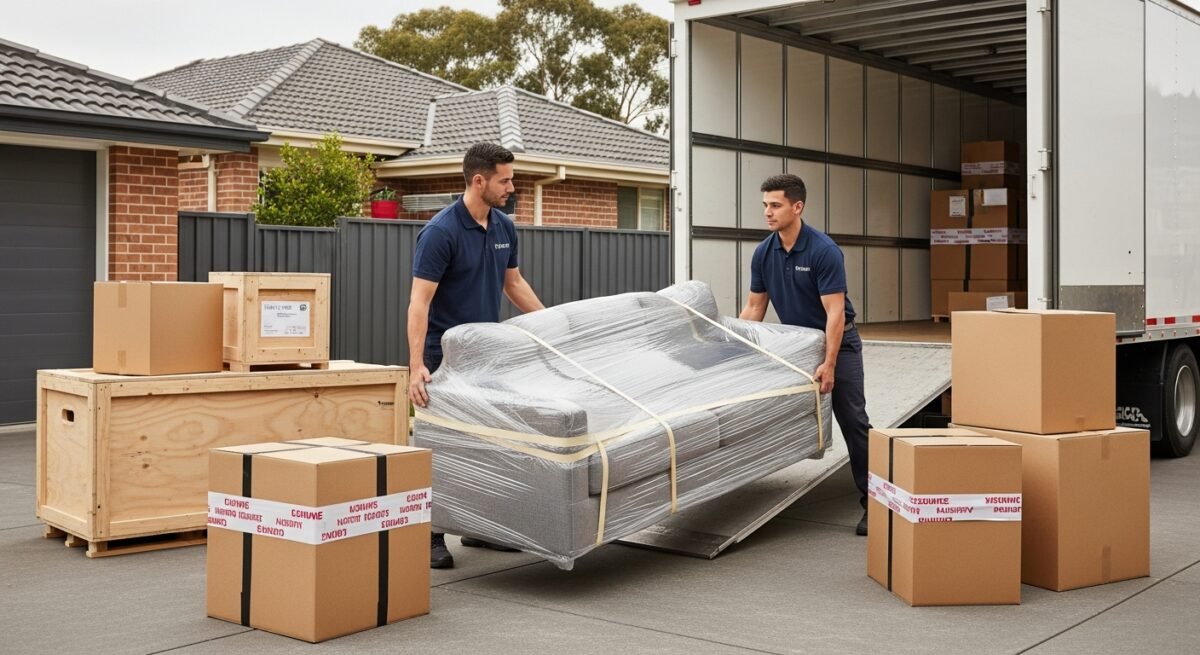
Packing for an international move is a science. Professional packers will use materials designed for long-distance transit and climate changes, such as sturdy, custom-built wooden crates for fine art or electronics, and corrugated cardboard boxes treated for humidity. Each box is numbered and logged on the inventory. Fragile items receive special cushioning and marking. The goal is to create a shipment that can withstand handling by multiple parties, potential shifts at sea, and variable weather conditions. On loading day, the container is sealed in your presence, and you receive the seal number, a key record for tracking and security.
Once your goods depart, the focus shifts to customs clearance. A good mover will have a trusted agent in your destination country to handle this process. They will submit all required documentation to customs authorities and liaise with them on your behalf. However, you must be available to answer questions or provide additional paperwork if requested. Common reasons for delays include incomplete forms, items requiring special permits (like firearms or certain musical instruments), or discrepancies in the declared value. Clear communication with your moving coordinator during this phase is essential to ensure a smooth release of your container for final delivery.
Frequently Asked Questions
How far in advance should I book international moving services?
You should contact overseas moving companies at least 2-3 months before your desired packing date. For peak season moves (summer), aim for 4-6 months in advance to secure your preferred dates and ensure adequate time for planning and documentation.
What items are typically prohibited in international shipments?
Prohibited items commonly include aerosols, batteries, flammable liquids (paint, gasoline), firearms and ammunition, perishable foods, plants and soil, and certain prescription drugs without proper documentation. Your mover will provide a specific list based on your destination country’s regulations.
Should I move my car internationally as well?
This depends on the car’s value, age, and the destination country’s import laws and taxes. For newer, high-value vehicles, it can be worthwhile. For older cars, the cost of shipping, modification to meet local standards, and import duties often exceed the car’s value. A cost-benefit analysis with your mover is recommended.
What happens if my new home isn’t ready when my shipment arrives?
Most international moving services offer storage solutions, both at origin and destination. If your housing is delayed, your goods can be placed in a secure, insured warehouse at the destination port until you are ready for delivery. This incurs additional storage fees, so it’s best to align timelines as closely as possible.
How do I handle electronics with different voltage standards?
Many countries use 220-240V, while others like the U.S. and Canada use 110-120V. You will need voltage transformers for incompatible appliances, which can be bulky and inefficient. Often, it’s more practical to sell small appliances and repurchase them locally. For essential electronics like computers, check if the power supply is dual-voltage (most modern laptops and phone chargers are).
Navigating an international move is a substantial undertaking, but with the right professional partner, it becomes a manageable and even exciting process. By investing time in selecting a qualified, experienced international moving service, you invest in the safety of your belongings and your own peace of mind. The expertise they bring in logistics, customs, and handling is invaluable, allowing you to focus on the personal and professional aspects of your new beginning overseas. Thorough preparation, clear communication, and realistic expectations are the pillars upon which a successful overseas relocation is built.