
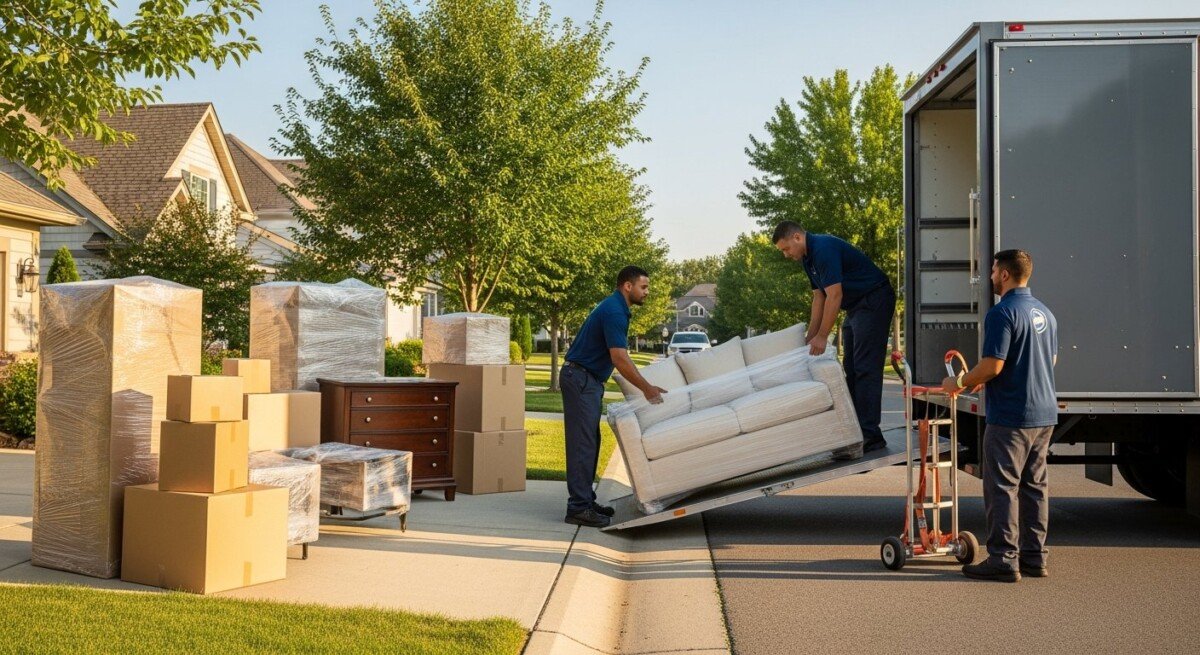
How to Choose and Plan With Cross Country Movers
Plan your interstate relocation with confidence. For personalized guidance and to speak with a moving specialist, call (833) 762-3578.

By Kevin Morris
Relocating across state lines is more than just a long drive, it’s a complex logistical undertaking that can define your transition to a new chapter. The sheer distance amplifies every moving decision, from cost and timing to the safety of your belongings. While the DIY approach might work for a local shift, hiring professional cross country movers transforms this daunting task into a coordinated, efficient operation. This guide will walk you through the entire process, from selecting the right long-distance moving company to unpacking in your new home, ensuring you’re equipped with the knowledge to make informed decisions and protect your investment.
Understanding the Scope of a Long-Distance Move
A cross-country move is typically defined as any relocation over 400 miles, often crossing state boundaries. This classification triggers different regulations, pricing models, and planning considerations compared to local moves. The federal government, through the Federal Motor Carrier Safety Administration (FMCSA), oversees interstate movers, requiring specific licensing (a USDOT number) and adherence to strict rules regarding estimates, liability, and dispute resolution. This regulatory framework is designed to protect you, the consumer, but it also means the process is more formalized.
The complexity stems from several factors. First, the time in transit: your belongings will be on a truck for days or even weeks, traveling hundreds or thousands of miles, which increases exposure to risk. Second, the cost structure is weight and distance-based, not hourly. Third, coordination becomes critical, as you must align the mover’s delivery window with your own travel plans, temporary housing, and utility setups. Understanding that you are not just hiring labor, but a transportation and logistics service, is the first step toward a successful move.
Selecting the Right Cross Country Moving Company
Your choice of mover is the single most important factor in your move’s success. It requires diligent research beyond a simple Google search. Start by verifying credentials. Any legitimate interstate mover must have an active USDOT number issued by the FMCSA. You can verify this and check their safety rating and complaint history on the FMCSA’s Protect Your Move website. Additionally, ensure they are a member of the American Moving and Storage Association (AMSA), which indicates a commitment to professional standards.
Next, gather estimates. For long-distance moves, you will encounter three primary types: Binding, Binding Not-to-Exceed, and Non-Binding. A Binding Estimate is a guaranteed price based on the mover’s visual survey or detailed inventory. A Binding Not-to-Exceed Estimate is highly consumer-friendly: you pay the lower of the binding estimate or the final weight-based price. A Non-Binding Estimate is just a rough guess; the final cost can be higher, up to 110% of the estimate at delivery, with the balance due in cash or certified funds. Always, always insist on an in-person or detailed video survey for the most accurate estimate. Beware of quotes given solely over the phone or email without an assessment of your goods.
Once you have estimates from three or four reputable companies, scrutinize them. Look beyond the bottom line. What services are included? Is packing material extra? What is the declared value of your shipment (their liability coverage), and what are the insurance options? Read the fine print on the bill of lading, your contract. A thorough vetting process is your best defense against scams and low-ball estimates that balloon on moving day. For a deeper dive into vetting for value, our resource on finding cheap professional movers without sacrificing quality offers a detailed framework.
Breaking Down the Costs of an Interstate Move
The cost of a cross-country move is highly variable, influenced by distance, the weight of your shipment, the time of year, and the services you select. On average, a cross-country move for a 2-3 bedroom home can range from $4,000 to $10,000 or more. The primary cost driver is the weight of your shipment, measured in pounds, multiplied by a rate per pound per mile. This is why decluttering before your move is not just organization, it’s a direct financial strategy. Selling, donating, or discarding items you no longer need can save hundreds, if not thousands, of dollars.
Additional costs can include packing services (a significant add-on but a major time-saver), specialty item handling for pianos or pool tables, shuttle services if a large truck cannot access your home, and storage-in-transit if there’s a gap between leaving your old home and accessing your new one. You will also need to budget for travel costs for your family, temporary lodging, and meals. To get a clear picture of potential expenses, it’s wise to get a free moving quote from a qualified provider. This allows you to compare personalized estimates based on your specific inventory and route.
Understanding the full scope of services available is crucial for budgeting. A full-service move, where the company handles everything from packing to unpacking, commands a premium but offers unparalleled convenience. For a complete breakdown of what this entails and its cost structure, explore our guide on full service movers and what they cost.
Preparing for Moving Day and the Transit Period
Preparation is the key to minimizing stress. Once your mover is booked, create a detailed timeline. This should include tasks like transferring medical records, registering vehicles in the new state, forwarding mail, and scheduling disconnections and connections for utilities. About six weeks out, start the serious work of decluttering and packing non-essentials. Use this opportunity to create a detailed home inventory, which is invaluable for insurance purposes and for tracking your items upon delivery.
As moving day approaches, prepare a “first night” box and a personal essentials bag. The box should contain items you’ll need immediately upon arrival: toilet paper, shower curtain, basic tools, phone chargers, pet food, and a change of clothes. Your essentials bag should have medications, important documents (passports, moving contracts, birth certificates), valuables, and snacks for the road. These items should travel with you, not on the moving truck.
On loading day, be present and accessible. Conduct a final walkthrough with the moving foreman, pointing out any items not to be loaded. Once loading is complete, you will sign the bill of lading. Review it carefully. It lists the mover’s contact info, your shipment registration number, pickup and delivery dates, the estimated charges, and the declared valuation. Keep your copy in a safe place; it is your receipt and contract. Take a photo of the truck’s license plate and USDOT number for your records.
The Delivery and Unpacking Process
The delivery phase has its own protocol. Your mover should provide a delivery window, not an exact time. They will call a day or two in advance to schedule more precisely. Be ready to accept delivery within this window. Before unloading begins, do a visual inspection of the truck’s interior if possible. As items are brought in, check them off your inventory sheet. Pay special attention to the condition of furniture and boxes marked as fragile.
You have the right to note any damage or missing items on the driver’s copy of the inventory sheet (the “delivery receipt”) before you sign it. Be specific. Writing “scratch on dining table leg” is better than “table damaged.” Once you sign, the driver will request payment for the final charges. Ensure you have the agreed-upon payment method ready (often a cashier’s check or credit card). Only after payment is made will the movers typically complete the unload and perform basic unpacking of furniture from pads.
After the truck pulls away, the unpacking begins. Tackle one room at a time, starting with the kitchen and bedrooms. Recycle packing materials as you go to avoid being buried in cardboard. This is also the time to initiate any claims for loss or damage. Contact the mover immediately in writing, as there are strict time limits (usually nine months for loss and damage claims).
Frequently Asked Questions
How far in advance should I book cross country movers?
For a summer move (the peak season), aim to book 8-12 weeks in advance. For moves during fall, winter, or spring, 4-8 weeks is usually sufficient. Booking early ensures you get your preferred dates and may lock in better rates.
What should I do with items movers won’t take?
Movers are prohibited from transporting hazardous materials like aerosols, paints, chemicals, propane tanks, and ammunition. You must dispose of these properly or transport them yourself in your vehicle. Plan for this well before moving day.
How is the delivery date determined?
For long-distance moves, you are given a delivery window, often several days long. The exact date depends on the truck’s route and how many other deliveries are scheduled. The mover is required to provide updates and a more precise date as they get closer.
What is valuation vs. moving insurance?
Valuation is the mover’s limited liability, typically 60 cents per pound per article. For example, a 10-pound stereo damaged would result in a $6 settlement. For full replacement value, you must purchase additional third-party moving insurance or a Full Value Protection plan from the mover, which is an added cost.
Can I pack myself to save money?
Yes, but understand the implications. If you pack your own boxes, the mover’s liability for damage to the contents of those boxes is significantly reduced. You are also responsible for ensuring items are packed securely to withstand a long journey. Label every box clearly with its contents and destination room.
A successful cross-country move hinges on preparation, research, and clear communication with your chosen professionals. By understanding the process, vetting movers thoroughly, and planning for each phase, you transform a potentially stressful event into a manageable, structured transition. The investment in a reputable cross country moving company is an investment in your peace of mind, allowing you to focus on the excitement of starting fresh in a new home.