How Full House Moving Companies Simplify Your Relocation

Moving an entire household is one of the most complex logistics challenges a family can face. Between sorting decades of belongings, coordinating utilities, and ensuring fragile items arrive intact, the process can quickly become overwhelming. This is where full house moving companies and complete relocation services step in to transform a stressful ordeal into a structured, manageable experience. These providers do not just haul boxes from point A to point B. They offer a comprehensive ecosystem of support that covers packing, loading, transport, unloading, and even unpacking at your new home. For anyone facing a residential move, understanding what these services include and how to choose the right partner is the first step toward a successful transition.
The modern moving industry has evolved far beyond the two-men-and-a-truck model. Today, a full house moving company typically provides a dedicated move coordinator, a pre-move survey of your belongings, custom packing materials for specialty items, and real-time inventory tracking. This level of service is designed to remove the guesswork and physical labor from your move, allowing you to focus on the emotional and administrative aspects of relocation. Whether you are moving across town or across the country, the goal of complete relocation services is to create a seamless experience that minimizes downtime and maximizes the safety of your possessions.
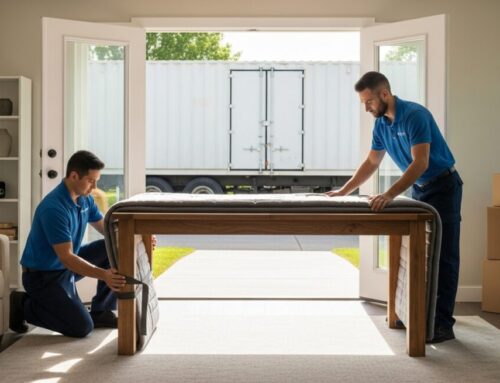
One of the primary advantages of hiring whole house movers is the sheer efficiency they bring to the process. Professional crews are trained to disassemble and reassemble furniture, wrap items in protective materials, and load a truck in a way that maximizes space while preventing damage. This expertise often translates into a faster move than a DIY effort could achieve, and it significantly reduces the risk of injury from lifting heavy objects. For families with young children, elderly members, or demanding work schedules, this time savings is invaluable. It allows you to preserve your energy for settling in rather than exhausting yourself before the move even begins.
What Sets Complete Relocation Services Apart
Not all moving companies are created equal. The term “complete relocation services” implies a depth of support that goes beyond basic transportation. These providers typically offer a full suite of add-ons designed to handle every aspect of your move. Instead of juggling separate vendors for packing supplies, storage, and cleaning, you work with a single company that manages the entire workflow. This consolidation reduces communication errors and ensures accountability at every stage.
Key features that distinguish a full-service residential moving company include:
- Professional packing and unpacking: Trained packers use industry-grade materials like dish saver paper, bubble wrap, and custom crating for valuables. They label each box by room and contents, making unpacking straightforward.
- White-glove furniture handling: Crews use furniture pads, shrink wrap, and corner protectors to safeguard sofas, tables, and electronics. They also handle disassembly and reassembly of complex items like bed frames and modular shelving.
- Short-term and long-term storage: Climate-controlled storage units allow you to stage your move if there is a gap between closing dates or if you need to declutter gradually.
- Specialized item transport: Pianos, antiques, artwork, and large appliances require specific equipment and techniques. A complete service provider has the tools and insurance to move these safely.
- Vehicle and boat shipping: For long-distance moves, many companies can transport cars, motorcycles, or small boats alongside your household goods.
When you engage a full house moving company, you are essentially hiring a project manager for your relocation. This coordinator orchestrates the timeline, communicates with the crew, and resolves any issues that arise on moving day. This oversight is particularly valuable for long-distance moves where multiple drivers or relay teams may be involved. The peace of mind that comes from knowing someone is watching over your belongings from origin to destination cannot be overstated.
How to Choose the Right Full House Moving Company
Selecting a mover is a decision that deserves careful research. The cheapest quote is rarely the best value when it comes to protecting your home and family. Start by verifying that any company you consider is properly licensed and insured. For interstate moves, the Federal Motor Carrier Safety Administration (FMCSA) requires a USDOT number, which you can check on their website for complaint history and safety records. Local movers should have state-level licensing and proof of liability and cargo insurance.
Next, request in-home estimates from at least three providers. A reputable full house moving company will send a representative to survey your home rather than providing a quote over the phone or via video call. This allows them to assess the volume of items, identify specialty pieces, and note any access challenges like narrow staircases or long walkways. Compare the estimates carefully, paying attention to the fine print about binding versus non-binding quotes. A binding estimate guarantees the price based on the items you listed, while a non-binding quote can increase if the actual weight exceeds the estimate. For predictable budgeting, always choose a binding estimate from a trusted provider.
Customer reviews and referrals are another critical data point. Look for patterns in feedback rather than focusing on a single negative review. Consistent praise for punctuality, careful handling, and clear communication are strong indicators of a quality operation. Conversely, repeated complaints about hidden fees, damaged items, or late arrivals should raise red flags. You can also check the company’s rating with the Better Business Bureau and ask for references from recent customers who had similar move types or distances.
Finally, consider the company’s experience with moves similar to yours. A mover that specializes in local apartment relocations may not have the fleet capacity or logistics network for a cross-country household move. In our guide on best rated national moving companies and service comparison, we break down the differences between local, long-distance, and full-service providers to help you match your needs with the right expertise.
The Role of Insurance and Valuation Coverage
One of the most overlooked aspects of hiring residential moving services is understanding how your belongings are protected. The default coverage provided by most movers is called Released Value Protection, which is included at no additional cost. However, this option only covers items at a rate of 60 cents per pound per article. For a lightweight but valuable item like a laptop or a piece of fine china, this amount is far below the replacement cost. Most customers should opt for Full Value Protection, which requires the mover to repair, replace, or reimburse you for the current market value of any lost or damaged item.
Full Value Protection comes with a premium, typically calculated as a percentage of the total move cost. It is important to read the terms carefully, as some policies include deductibles or exclude certain high-value items unless they are specifically listed on an inventory sheet. For items like jewelry, collectibles, or important documents, you may need to purchase separate insurance or transport them personally. A trustworthy full house moving company will explain these options clearly during the quoting process and help you decide what level of coverage is appropriate for your situation.

Beyond insurance, ask about the company’s claims process. How quickly do they respond to reports of damage? What documentation do they require? A company that handles claims professionally and promptly demonstrates a commitment to customer satisfaction that goes beyond the moving day. This level of service is a hallmark of complete relocation services that prioritize long-term relationships over one-time transactions.
Steps to Prepare for Your Full-Service Move
Even with a professional team handling the heavy lifting, there are steps you can take to ensure the move goes smoothly. Begin by creating a detailed inventory of everything you plan to move. This list will serve as the basis for your estimate and help the crew understand what to expect. As you go through each room, decide what to keep, donate, sell, or discard. Downsizing before the move reduces your costs and simplifies the packing process. Many moving companies offer a pre-move consultation where they can advise on items that may be difficult to transport or that require special packing.
Next, set aside a box of essentials that you will keep with you during the move. This should include important documents, medications, chargers, a change of clothes, toiletries, and items for the first night in your new home. Label this box clearly and communicate its location to the move coordinator so it is not accidentally loaded onto the truck. You should also plan for the care of pets and young children on moving day. The noise, activity, and open doors can be stressful and dangerous for animals and toddlers. Arrange for them to stay with a friend or family member until the crew has finished and the new home is set up.
Another critical task is to confirm logistics with your moving company at least one week before the scheduled date. Reiterate the arrival window, parking arrangements, and any special instructions for accessing your home. If you are moving into a building with an elevator or a homeowner’s association, provide the necessary certificates of insurance and reserve the freight elevator well in advance. Clear communication at this stage prevents costly delays and ensures that the crew can begin work immediately upon arrival.
Frequently Asked Questions
How far in advance should I book a full house moving company?
For local moves, booking at least four to six weeks ahead is recommended. For long-distance or interstate moves, aim for eight to twelve weeks of lead time, especially during peak season from May to September. Popular companies book up quickly, and last-minute reservations may limit your options or result in higher rates.
What is the difference between a binding and non-binding estimate?
A binding estimate guarantees the total cost based on the inventory you and the mover agree upon. The price will not change unless you add or remove items. A non-binding estimate is an approximation, and the final cost is determined by the actual weight or volume of your shipment after loading. Binding estimates offer more predictability for your budget.
Can I pack my own belongings to save money?
Yes, many moving companies allow you to pack your own items, but they may not accept liability for damage to items they did not pack. If you choose to DIY, use sturdy boxes and proper cushioning materials. However, for fragile or high-value items, professional packing is strongly recommended to ensure proper protection and insurance coverage.
Do I need to be present during the entire move?
It is advisable to be present at both the origin and destination to answer questions and inspect your belongings. However, you do not need to supervise the crew constantly. Many customers use moving day to handle errands or final cleaning, provided they leave a contact number and grant access to the property.
How are large or unusual items handled?
Items such as pianos, pool tables, large sculptures, or workout equipment require specialized equipment and techniques. A full house moving company will assess these during the in-home survey and may use custom crating, disassembly, or rigging to move them safely. Always disclose these items during the quoting process to ensure the crew has the right tools and training.
Financing your move is another consideration that many families overlook. The cost of a full-service relocation can be significant, and if you need to manage expenses over time, exploring financial options such as personal loans or specialized moving financing can provide flexibility. For those interested in learning more about managing moving costs and related financial planning, you may find helpful resources at carloanrefinancing.com, which offers insights into budgeting for major life transitions.
Ultimately, the value of hiring whole house movers lies in the reduction of stress and the preservation of your belongings. By investing in professional residential moving services, you free yourself from the physical and logistical burdens of relocation. You gain time to focus on your family, your job, and the excitement of starting fresh in a new home. The right moving partner does not just transport boxes. They provide a foundation of reliability and care that makes the entire experience feel manageable and even positive.