Full Service Long Distance Moving: What to Expect

Moving across state lines is a major life event that brings both excitement and stress. When you decide to hire professionals, the term “full service long distance moving companies what to expect” becomes a critical question. Understanding the full scope of services, the process, and the potential pitfalls can transform an overwhelming experience into a smooth transition. This article walks you through every stage of hiring full service moving companies long distance, from the initial estimate to the final unpacking.
What Defines a Full Service Long Distance Mover?
A full service long distance mover does far more than just drive a truck. These companies handle the entire relocation process, starting with packing your belongings and ending with setting up your new home. The core distinction between a full service mover and a basic truck rental is the labor and logistics included. When you engage long distance movers full service, you pay for a team that manages packing materials, disassembly of furniture, loading, transportation, unloading, and reassembly.
Most reputable relocation companies offer a binding estimate based on a physical or virtual survey of your home. This estimate locks in the cost, protecting you from surprise price increases on moving day. The best companies also provide valuation coverage, which is their version of insurance for your items. Understanding these layers of service helps you compare quotes accurately and avoid choosing a company that cuts corners.
The Initial Consultation and Estimate
The process begins with a detailed consultation. A representative from the moving company will walk through your home, noting every item that will travel. They will ask about specialty items like pianos, pool tables, or antiques. This assessment is the foundation of your binding estimate. Without a thorough walkthrough, you risk receiving a lowball estimate that later balloons with added fees.
After the survey, you receive a written estimate that itemizes packing services, transportation charges, fuel surcharges, and valuation fees. Always request a binding not-to-exceed estimate. This means the final price cannot exceed the quoted amount, even if the shipment weighs more than estimated. Some companies offer non-binding estimates, which are dangerous for long distance moves because weight discrepancies can add hundreds or thousands of dollars to your bill.
The Packing Process: What Full Service Includes
One of the biggest benefits of hiring full service moving companies long distance is the packing service. Professional movers bring high-quality boxes, bubble wrap, packing paper, tape, and furniture blankets. They pack your entire home systematically, labeling each box by room and contents. This service saves you weeks of work and ensures fragile items are wrapped correctly.
However, not all full service packages are identical. Some companies offer partial packing services where they pack only fragile items like dishes and glassware, leaving you to pack clothing and linens. Others include a full packing service that covers everything including your wardrobe. Clarify these details before signing the contract. If you have valuable artwork or electronics, ask about specialized crating services. Many relocation companies build custom wooden crates for high-value items to prevent damage during transit.
For those looking to reduce costs, consider a hybrid approach. You can pack non-fragile items yourself and let the professionals handle the delicate work. This strategy can lower your estimate while still giving you the peace of mind that fragile belongings are protected. In our guide on finding inexpensive long distance movers, we explain how to balance cost and service quality effectively.
Loading, Transport, and Delivery Timeline
Once everything is packed, the loading phase begins. Full service movers use furniture pads and straps to protect your items inside the truck. They load the truck strategically, placing heavy items on the bottom and lighter boxes on top. This process typically takes a full day for an average three-bedroom home.
After loading, the truck departs for its destination. Long distance moves often involve a transit time of several days to two weeks, depending on distance and route. Reputable companies provide a delivery window, usually a range of three to five days, rather than a specific date. This flexibility allows them to consolidate shipments for efficiency, which keeps costs lower for you.
When the truck arrives at your new home, the crew unloads everything and places boxes in their designated rooms. Full service includes reassembling furniture, reconnecting appliances, and removing packing debris. The goal is to leave your new home organized and functional, not just full of boxes.
Understanding Valuation and Insurance
All full service long distance moving companies must offer valuation coverage under federal regulations. Valuation is not the same as standard insurance. It determines how much the mover will pay you if your items are lost or damaged. There are two primary options:
- Released Value Protection: This is free but provides minimal coverage of 60 cents per pound per item. For a 10-pound lamp, you would only receive $6.00, regardless of its actual value. This coverage is essentially no protection.
- Full Value Protection: This option costs extra but covers the replacement value of your items. If a piece of furniture is damaged, the mover must repair it, replace it with a similar item, or pay you the cash value. This is the recommended choice for most households.
Many homeowners mistakenly think their renters or homeowners insurance covers items in transit. In most cases, it does not, or it has very limited coverage. Purchasing full value protection from the mover is the safest way to protect your belongings. The cost is typically 1% to 2% of the total declared value of your shipment.
Common Hidden Fees and How to Avoid Them
Even with a binding estimate, some full service moving companies long distance add fees for specific circumstances. Knowing these in advance helps you budget accurately. Common charges include:
- Stair carry fees: If the movers must carry items up or down more than one flight of stairs, you may incur an additional charge.
- Long carry fees: If the truck cannot park close to the entrance, some companies charge extra for the extra walking distance.
- Bulky item fees: Pianos, oversized furniture, or exercise equipment may have a surcharge.
- Shuttle service fees: If a large moving truck cannot access your street, the mover may need a smaller shuttle truck to transfer your items, which adds cost.
- Storage fees: If your new home is not ready on time and the mover must store your belongings temporarily, daily storage fees apply.
Ask your mover to list all potential surcharges in the estimate. A transparent company will disclose these upfront. Avoid companies that refuse to provide a detailed written estimate or pressure you to sign before you read the fine print.
How to Choose the Right Relocation Company
Selecting the best full service long distance moving company requires research. Start by checking the Federal Motor Carrier Safety Administration (FMCSA) database. Every interstate mover must have a USDOT number. Use this number to view the company’s safety record, complaint history, and insurance status. Avoid any company that cannot provide a valid USDOT number.
Next, read online reviews on platforms like Google, Yelp, and the Better Business Bureau. Look for patterns in complaints. A few negative reviews are normal, but repeated mentions of lost items, late deliveries, or price gouging are red flags. Ask friends and family for referrals, as personal recommendations are often the most reliable.
Request at least three in-home estimates from different companies. Compare the services included in each estimate, not just the total price. The cheapest option may exclude packing materials or charge extra for furniture disassembly. A slightly higher estimate that includes full packing, furniture protection, and full value coverage often provides better overall value.
The Day of the Move: What to Expect
On moving day, the crew arrives at the scheduled time. The foreman introduces the team and conducts a final walkthrough to confirm which items are going. You will sign a bill of lading, which is the contract that lists your inventory, the delivery address, and the agreed price. Keep a copy of this document with you during the move.
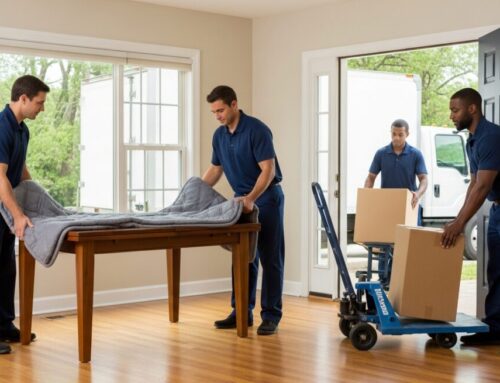
The movers work quickly but methodically. They protect your floors and walls with ramps and runners. They disassemble furniture, wrap it, and load it into the truck. You should stay available to answer questions but avoid hovering. Trust the professionals to do their job. If you have items you want to move yourself, such as valuable jewelry or important documents, remove them from the house before the crew arrives.
After loading, the truck leaves. The crew will give you an estimated delivery window. During transit, you can typically track the shipment online or by phone. Some companies offer GPS tracking for their trucks, giving you real-time updates.
Receiving Your Belongings at Destination
Delivery day is the final stage. The crew unloads the truck and places boxes in the rooms you specify. They reassemble furniture, reconnect appliances, and remove all packing materials and debris. Before signing the delivery receipt, inspect your items carefully. Note any damage on the inventory list and take photographs. Most movers require you to report damage within a specific timeframe, often 30 days, to file a claim.
Full service moving companies long distance often include a 30-day satisfaction guarantee on their work. If you discover damage after the crew leaves, contact the company immediately. Keep all original packing materials and boxes as evidence for your claim. Filing a claim can take several weeks, so be patient but persistent.
To plan a smooth home relocation, create a checklist that includes confirming your delivery window, arranging utilities at your new home, and having a first-night box with essentials like toiletries, medications, and a change of clothes. This preparation ensures you are comfortable even if the movers arrive later than expected.
Frequently Asked Questions
How far in advance should I book a full service long distance mover?
Book at least 6 to 8 weeks before your move date during peak season (May to September). For off-peak moves, 4 weeks is usually sufficient. Popular companies fill up quickly, so early booking gives you more options and better pricing.
Can I pack my own items to save money?
Yes, but check your contract. Some full service movers require that they pack certain items like electronics or glassware to honor their damage warranty. If you pack yourself, use strong boxes and proper cushioning. The mover may not cover damage to items they did not pack.
What happens if my items are damaged during the move?
Document the damage on the delivery receipt and take photos. File a claim with the moving company within the timeframe specified in your contract, usually 30 days. If you purchased full value protection, the mover must repair, replace, or compensate you for the loss.
How is the cost of a long distance move calculated?
Cost is based on the weight of your shipment, the distance traveled, and the services you select. Additional factors include packing labor, fuel surcharges, and valuation coverage. A binding estimate protects you from weight-based price increases.
Final Thoughts on Your Full Service Move
Choosing full service long distance moving companies what to expect is about understanding the complete process from estimate to delivery. A reputable mover provides transparency, protection, and efficiency. By researching companies, asking the right questions, and preparing for moving day, you set yourself up for a successful relocation. The investment in full service movers pays off in saved time, reduced physical strain, and the confidence that your belongings are in professional hands. When you know what to expect, you can focus on the excitement of your new home rather than the stress of the move.