
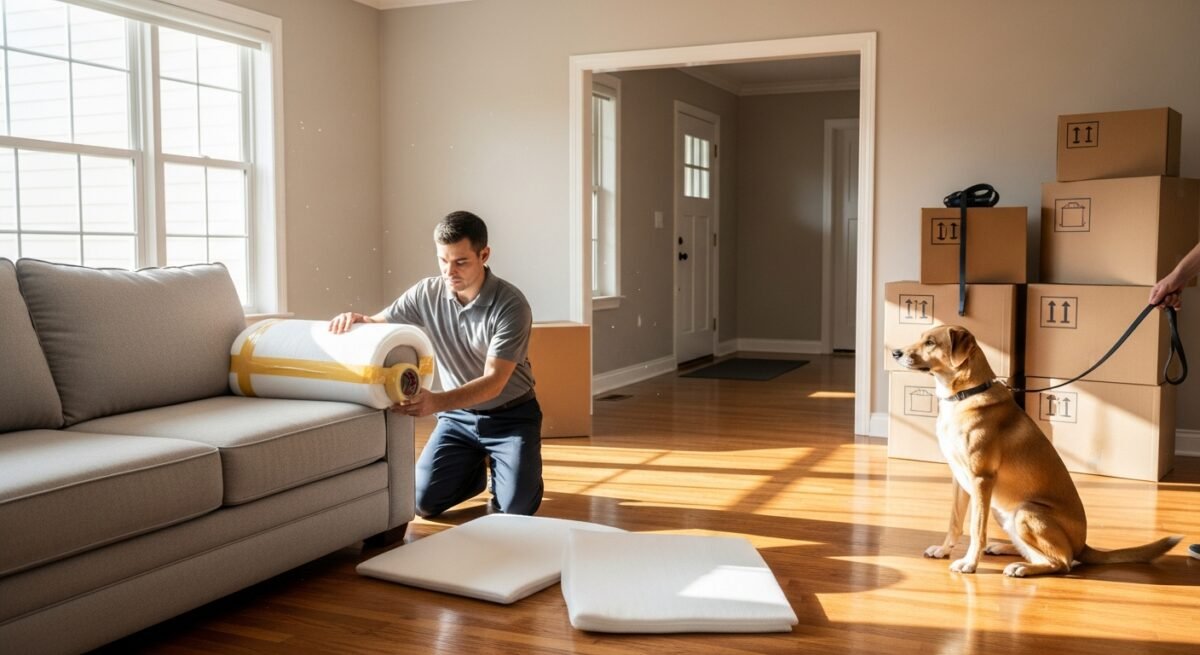
Essential Tips for Moving With Pets Safely and Stress-Free
Reduce pet anxiety and ensure safety with a proven strategy for relocation. These essential tips for moving with pets cover planning, travel, and settling in.

By Nicole Walker
Moving is a monumental task, a whirlwind of boxes, logistics, and emotions. Now, imagine experiencing that chaos through the eyes of your pet, a creature of habit for whom a shifted piece of furniture can be unsettling. For our animal companions, a move isn’t just a change of address, it’s a complete upheaval of their sensory world. The unfamiliar scents, the packed-up familiar spaces, and the general disruption of routine can trigger profound anxiety. Successfully navigating a relocation with pets requires a specialized strategy that prioritizes their well-being every step of the way. By planning ahead with compassion and practical know-how, you can transform a potentially traumatic event into a manageable transition for your entire family, furry members included.
Laying the Groundwork: Pre-Move Planning for Pets
The most critical phase for a smooth pet move happens long before the moving truck arrives. Proactive preparation is your most powerful tool for minimizing stress. Your first step should be a visit to your current veterinarian. Schedule a check-up to ensure your pet is healthy enough for travel, especially for long-distance moves. This is the perfect time to update all vaccinations, request copies of medical records, and obtain a health certificate if required by your new state, airline, or destination country. Discuss your pet’s anxiety levels with your vet; they may recommend calming supplements, pheromone products (like Adaptil for dogs or Feliway for cats), or, in some cases, prescription medication for the travel day itself. Never administer sedatives without explicit veterinary guidance, as they can be dangerous during travel.
Next, tackle identification. Your pet should wear a secure collar with an up-to-date ID tag featuring your current cell phone number. Crucially, you must also microchip your pet if you haven’t already. A microchip is a permanent form of identification that can reunite you with a lost pet even if their collar falls off. Before the move, verify that the microchip registry has your current contact information, and immediately update it with your new address and phone number upon arrival. Research is also key. If you’re moving to a new city or state, identify a new veterinarian, a 24-hour emergency animal hospital, and local pet services like groomers or boarding facilities. Knowing you have these resources lined up provides immense peace of mind.
The Travel Day: Executing a Safe Journey
Moving day itself is the peak of chaos, making it the most important time to have a concrete plan for your pet’s safety and comfort. The golden rule: pets should be completely separate from the moving action. The constant opening of doors, the presence of strangers (movers), and the noise are a recipe for a terrified pet bolting out an open door. The safest option is to board your pet for the day at a trusted kennel or have them stay with a friend or family member. If that’s not possible, designate a quiet, secure room in your home (like a bathroom or spare bedroom) as the “pet sanctuary” for moving day. Place them in this room with their bed, favorite toys, water, food, and a litter box for cats, well before the movers arrive. Put a clear “Do Not Enter – Pet Inside” sign on the door.
For the journey itself, whether it’s a 30-minute drive or a cross-country flight, safety is non-negotiable. For cats, small dogs, and other small animals, a secure, well-ventilated carrier is essential. It should be large enough for your pet to stand, turn around, and lie down comfortably. Acclimate your pet to the carrier weeks in advance by leaving it out with treats and cozy bedding inside. For larger dogs, a properly sized crash-tested travel harness that secures to the seatbelt, or a travel crate secured in the vehicle, is the safest choice. Never allow a pet to roam freely in a moving vehicle. Plan your route with pet-friendly rest stops, and never, ever leave your pet alone in a parked car, where temperatures can become lethal in minutes.
Air Travel Considerations
If your move involves air travel, you must begin planning months in advance. Airlines have strict, varying policies regarding pet travel, including breed restrictions, health documentation requirements, and seasonal embargoes (often during extreme temperatures). You will need to decide whether your pet will travel in the cabin with you (only possible for very small pets in approved carriers) or as cargo in a pressurized, temperature-controlled hold. Booking a direct flight is always preferable to minimize handling and temperature exposure. Your airline-approved carrier must be sturdy, labeled with your contact information, and include absorbent bedding. Attach a bag of food and feeding instructions to the outside in case of delays.
Settling Into the New Home: The First Critical Weeks
Your arrival at the new house marks the beginning of a delicate introduction period. Do not simply open the carrier and let your pet explore the vast, empty, echo-filled new space. This can be overwhelming. Instead, replicate the moving-day “sanctuary room” strategy. Choose one quiet room (a bedroom or office) to set up as your pet’s initial base camp. Bring in their familiar items first: their bed, their food and water bowls, their favorite blanket, and toys that smell like home. Let them explore this single, controlled environment for the first few hours or even days. Spend quiet time with them in this room, offering comfort and treats.
Once they seem relaxed in their base camp, you can begin slow, supervised explorations of the rest of the house. Keep dogs on a leash initially to guide them and prevent them from becoming startled and hiding. For cats, consider using a pheromone diffuser in the main living area to promote calm. It is absolutely critical to pet-proof your new home before granting full access. Check for loose wires, toxic plants (common ones include lilies, sago palm, and poinsettia), accessible chemicals, and any small spaces where a scared pet could become trapped. Ensure all windows have secure screens and that the fencing in the yard is intact with no gaps. Establishing a routine is one of the most comforting things you can do. Feed, walk, and play with your pet at the same times you did in your old home. This predictable structure provides a vital anchor in their new world.
Special Considerations for Different Pets
While dogs and cats are the most common moving companions, the core principles of safety, routine, and gradual introduction apply to all animals, with specific adjustments. For small mammals like rabbits, guinea pigs, or hamsters, maintain them in their familiar, secure cage during the move and set them up in a quiet, draft-free room in the new home. Avoid placing their enclosure in high-traffic areas initially. Birds are particularly sensitive to stress and fumes. Their travel cage should be covered with a breathable cloth to reduce visual stimuli. In the new home, be extremely cautious of Teflon/non-stick cookware fumes, aerosol sprays, and candles, as these can be fatal to birds. Always set up their cage in a well-ventilated but secure area away from kitchen fumes.
For reptile owners, the primary concern is maintaining the correct temperature gradient during transit. Use insulated carriers with heat packs or cold packs as needed, but never place a heat source directly against the enclosure. Transport them in a smaller, secure travel tub rather than their large, glass terrarium. Set up their permanent habitat in the new home as quickly as possible to re-establish their precise thermal and humidity requirements. Fish are perhaps the most challenging to move. For short moves, they can be transported in large, sealed, oxygenated bags placed inside a dark, insulated cooler to maintain temperature stability. The aquarium itself should be drained, with the filter media kept damp in tank water to preserve beneficial bacteria. The tank should be the last thing packed and the first thing set up and re-cycled at the new location. For long-distance moves, consulting with an aquarium specialist is often wise.
Budgeting and Logistical Planning
Moving with pets adds specific line items to your moving budget that are essential to account for. These costs can include veterinary visits for check-ups and certificates, new pet licenses and registration fees for your new municipality, potential pet deposits or monthly pet rent for rental properties, and the purchase of new pet supplies like a larger crate or sturdier fencing. If you are using professional movers, be transparent. Inform them you have pets so they can be extra vigilant about doors. Some moving companies may even have policies or tips for pet-owning clients. Remember, the cost of ensuring your pet’s safe transition is an investment in their health and your family’s peace of mind. As you finalize your moving budget, it’s prudent to get a free moving quote to understand the full scope of your relocation expenses, allowing you to allocate funds specifically for your pet’s needs.
Frequently Asked Questions About Moving With Pets
How far in advance should I start preparing my pet for a move? Begin at least 4-6 weeks before moving day. This allows time for vet visits, carrier acclimation, gathering documents, and researching new pet services.
What is the single most important thing I can do to keep my pet safe during the move? Without a doubt, it is preventing escape. Use a secure carrier or harness during travel, and keep your pet in a separate, closed room with clear signage on moving day when doors will be constantly open.
My pet isn’t eating or seems withdrawn after the move. Is this normal? Yes, this is a common stress response. Appetite loss for a day or two, hiding (especially for cats), or being less playful can be normal. Maintain their routine, offer favorite foods, and provide quiet comfort. If symptoms persist beyond 72 hours, or if you see signs of illness (vomiting, diarrhea, no water intake), contact a veterinarian.
How long does it take for a pet to adjust to a new home? Adjustment timelines vary greatly by species and individual temperament. A confident dog may seem settled in a week, while a shy cat may need a month or more to feel fully secure. Patience is key. Avoid forcing interactions and let them explore at their own pace.
Can I give my pet over-the-counter calming medication? No. Never administer human medications or supplements without explicit direction from your veterinarian. Some common human drugs are toxic to pets. Your vet can recommend safe, species-specific products for anxiety.
Moving with pets is an exercise in empathy and detailed planning. By viewing the process through their perspective, you can anticipate stressors and create a framework of safety and familiarity. The effort you invest in these moving with pets tips will pay dividends in the form of a smoother transition, a stronger bond, and the joyful sight of your companion feeling truly at home in your new shared space. The goal is not just to transport your pet, but to guide them confidently into the next chapter of your life together.