DIY Versus Professional Moving: Which Is Right For You?
You stand in the center of your living room, surrounded by boxes, bubble wrap, and the growing realization that every item you own must somehow travel from one home to another. The question that follows is one of the most common dilemmas in relocation: should you handle the move yourself or hire professional movers? The answer is rarely simple, as it depends on your budget, timeline, physical ability, and the complexity of your belongings. This guide breaks down the real costs, hidden stresses, and key trade-offs of DIY versus professional moving so you can make an informed decision.
The True Cost of a DIY Move
At first glance, renting a truck and doing the work yourself seems like the obvious money-saver. However, the total expenses often exceed what people initially estimate. A DIY move typically includes truck rental fees, fuel costs, mileage charges, equipment rentals (dolly, furniture pads, straps), packing supplies (boxes, tape, markers), and sometimes insurance for the rental vehicle. You must also factor in the cost of pizza and drinks for friends or family you recruit, plus potential fees for late returns or damage deposits.
For example, a one-bedroom apartment move across town might cost $200 to $400 for a truck rental and fuel, but if you need to make multiple trips or rent the truck for extra days, that number climbs quickly. When you add the value of your time and physical labor, the financial picture changes. According to industry averages, a DIY move for a two-bedroom home can cost between $600 and $1,200 when all expenses are tallied, while a professional move for the same distance may range from $800 to $2,000. The gap is narrower than many assume, especially for long-distance or cross-country relocations where fuel and lodging add significant expense.
Hidden Stress and Physical Demands
Beyond the financial comparison, DIY moving demands significant physical effort and time. Lifting sofas, mattresses, and boxes of books strains your body, especially if you are not accustomed to heavy lifting. Back injuries, pulled muscles, and damaged items are common in DIY moves. You also bear the full responsibility of navigating stairs, narrow doorways, and tight parking spaces with a large rental truck. If you damage your rental truck or your belongings, you pay for repairs or replacement out of pocket.
Time is another hidden cost. Packing an entire household takes days or weeks, and loading and unloading a truck can take an entire weekend. If you work full-time, you may need to take days off, losing income. Coordinating helpers adds another layer of stress. Friends may cancel at the last minute, and you may end up doing most of the heavy lifting yourself. The emotional toll of managing every detail while exhausted can turn an exciting new chapter into a draining ordeal.
What Professional Moving Offers
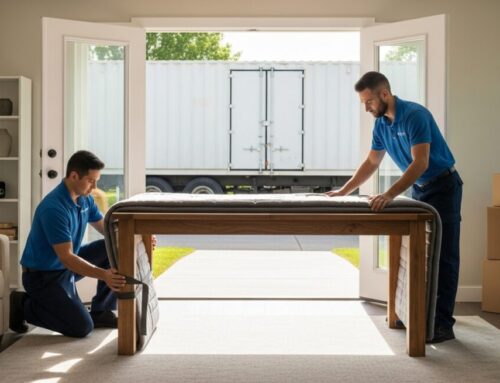
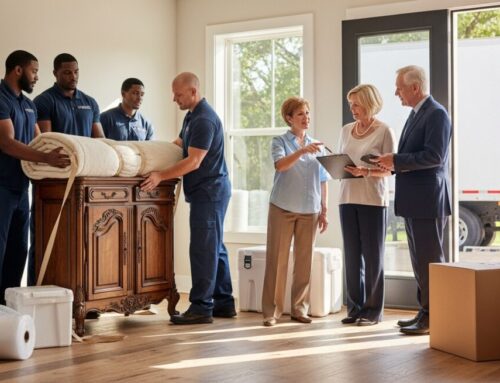
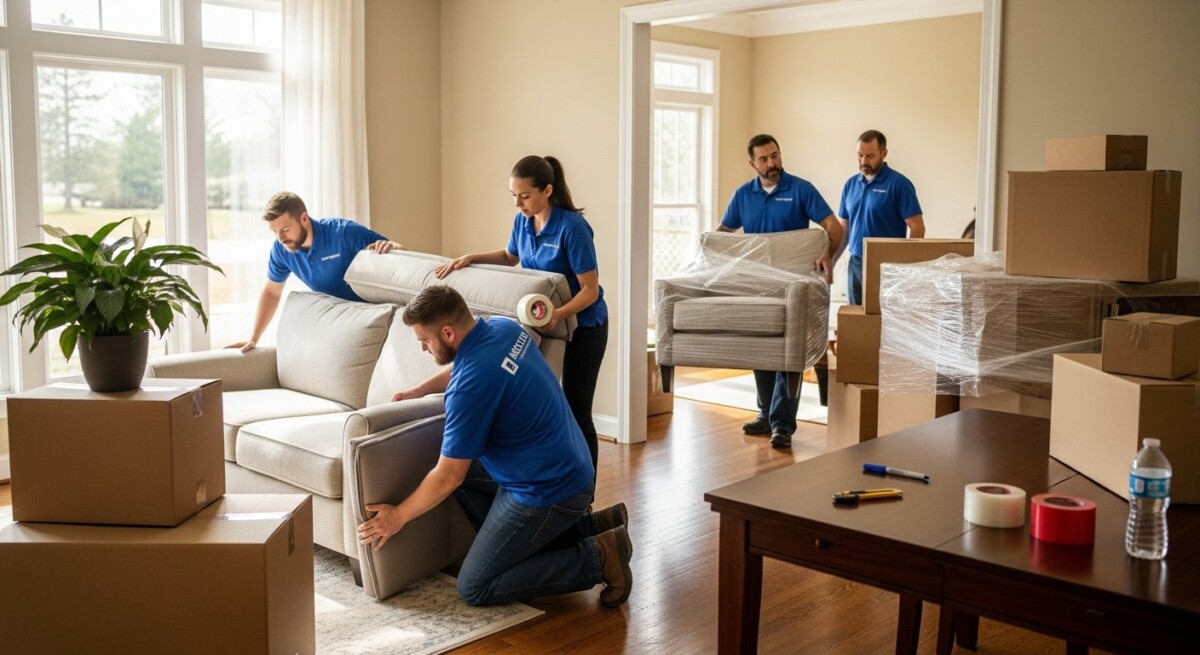
Hiring a professional moving company shifts the burden of logistics, labor, and risk onto trained experts. Professional movers arrive with a team, a properly sized truck, and equipment designed to protect your furniture and floors. They handle the heavy lifting, navigate tricky corners, and wrap items in protective materials. This service saves you physical strain and significantly reduces the risk of injury or property damage.
Professional movers also provide insurance options that cover your belongings during transit. If a prized antique is scratched or a box of dishes is broken, the moving company compensates you. This peace of mind is a major advantage over DIY, where you absorb all losses. Additionally, professional movers work efficiently because they do this every day. A job that would take you two days might take them four to six hours. For long-distance moves, they handle the driving, navigation, and fuel costs, allowing you to travel separately or fly to your destination.
In our guide on choosing local professional moving companies, we explain how to evaluate movers based on experience, pricing transparency, and customer reviews. That resource can help you identify a reliable partner if you decide to go the professional route.
When DIY Makes Sense
DIY moving is not without its merits, especially for specific scenarios. If you are moving a small studio apartment or just a few rooms, the savings from renting a small van and doing the work yourself can be substantial. Similarly, if you are a student or a young renter with minimal furniture and few valuables, the risk of damage is low, and the physical effort is manageable. A local move of less than fifty miles also favors DIY because fuel costs and truck rental fees remain low.
Another situation where DIY shines is when you have a flexible schedule and a strong support network. If you can recruit three or four reliable friends and dedicate a full weekend, you can complete the move with minimal stress. You also have complete control over packing, loading, and unloading, which appeals to people who prefer to handle their belongings personally. For those on an extremely tight budget, DIY may be the only option that fits their financial reality.
When Professional Moving Is the Better Choice
Professional moving becomes the smarter option as the size and distance of your move increase. Families with three or more bedrooms, homes with heavy furniture like pianos or pool tables, and moves that cross state lines all benefit from professional expertise. The cost difference between DIY and professional narrows significantly for long-distance moves, especially when you account for fuel, lodging, meals, and potential vehicle breakdowns.
If you have a busy career, young children, or health limitations that prevent heavy lifting, hiring movers is an investment in your well-being. The time you save can be spent on other priorities like setting up utilities, changing your address, or simply resting before the transition. Professional movers also handle specialty items such as artwork, antiques, large appliances, and electronics with care and proper packing materials. If you value convenience and want to avoid the physical toll, professional moving is the clear winner.

Hybrid Approach: The Best of Both Worlds
Many people do not realize that a hybrid approach exists. You can pack your own belongings to save on labor costs, then hire professional movers to load, transport, and unload the truck. This strategy reduces the total cost while still offloading the heaviest and most stressful parts of the move. Some moving companies offer flexible packages where you pay only for the services you need, such as truck rental with a driver or partial packing assistance.
Another hybrid option is to rent a portable storage container. You pack and load the container at your own pace, then the company transports it to your new home. This gives you the control of DIY without the need to drive a large truck. You can also hire movers for just the loading or unloading portion. Evaluate your specific needs and budget to determine which combination works best.
Key Factors to Consider Before Deciding
To make the right choice, evaluate the following factors carefully before committing to either path:
- Distance: Local moves under 50 miles favor DIY. Long-distance or cross-country moves almost always justify professional movers.
- Volume of belongings: The more items you have, the more time and physical effort DIY requires. Large households benefit from professional efficiency.
- Budget: Calculate the full cost of DIY including truck rental, fuel, supplies, food, and potential lost wages. Compare that to professional quotes.
- Time availability: If you can spare only a weekend, professional movers complete the job faster. DIY may require several days or weeks of preparation.
- Physical ability: Be honest about your fitness level and any health conditions. Lifting heavy furniture can cause serious injury.
- Valuables and specialty items: If you own fragile or expensive items, professional packing and insurance provide essential protection.
Once you have weighed these factors, you can confidently decide which approach aligns with your priorities. Remember that no single answer fits every move; the best choice is the one that balances your budget, time, and stress tolerance.
Frequently Asked Questions
Is DIY moving always cheaper than professional moving?
Not always. For small local moves, DIY is usually cheaper. However, for long-distance moves or large households, the cost difference narrows significantly after accounting for truck rental, fuel, lodging, and lost time.
How do I get accurate quotes from professional movers?
Request in-home or video surveys from at least three moving companies. Provide an accurate inventory of your belongings and ask for a binding estimate to avoid surprise fees. Read reviews and verify licensing with the Department of Transportation for interstate moves.
Can I pack my own boxes and still hire movers?
Yes. Most moving companies allow you to pack your own items. However, they may not accept liability for damage to items you packed. If you have fragile valuables, consider having the movers pack those specifically.
What insurance do I need for a DIY move?
Your auto insurance may cover the rental truck partially, but you should purchase the rental company’s damage waiver and liability coverage. Also, check your renter’s or homeowner’s insurance to see if it covers belongings during transit.
How far in advance should I book professional movers?
Book at least four to six weeks before your move date, especially during peak season (May to September). Last-minute bookings may result in higher prices or limited availability.
Making Your Final Decision
Choosing between DIY and professional moving is a personal decision that depends on your unique circumstances. A DIY move offers autonomy and potential savings for small, local relocations, but it demands significant time, physical effort, and risk. Professional moving provides efficiency, safety, and peace of mind, especially for larger or long-distance moves. A hybrid approach can give you the best of both worlds by combining self-packing with professional transport. Whichever path you choose, plan ahead, set a realistic budget, and prioritize your well-being. The goal is not just to move your belongings, but to start your new chapter with confidence and minimal regret. For those seeking a reliable partner in their relocation journey, exploring financing options can also help manage the upfront costs of a professional move.