Cost-Saving Tips for a Long Distance Move
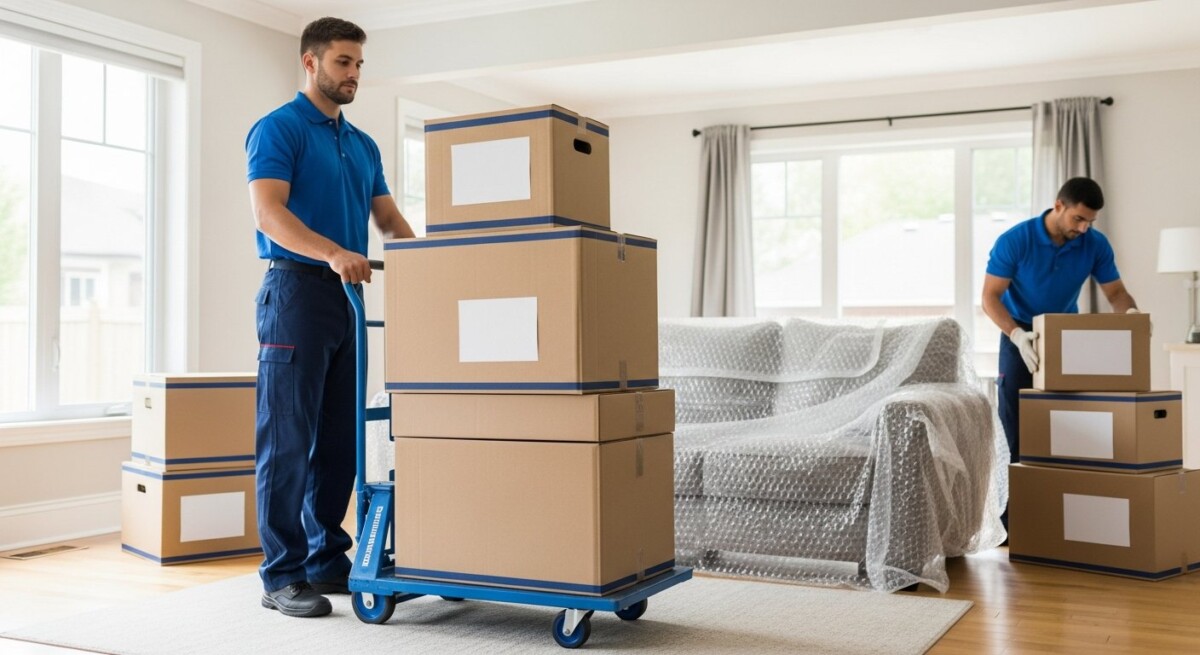
Planning a move across state lines often feels like a financial balancing act between hiring professionals and keeping your budget intact. The good news is that with a strategic approach, you can significantly reduce expenses without sacrificing the safety of your belongings or your peace of mind. By understanding where costs typically balloon and applying targeted savings strategies, you can keep your relocation affordable and efficient. Below, we outline actionable advice that addresses the biggest expenses of a long distance move, from packing supplies to choosing the right moving partner.
Declutter Before You Pack to Reduce Weight and Volume
The single most effective way to lower your moving costs is to reduce the amount of stuff you transport. Moving companies base their quotes on the total weight of your shipment or the cubic feet of space your items occupy. Every unnecessary box, piece of furniture, or appliance adds to that total and increases your bill. Before you even order boxes, conduct a ruthless purge of your home.
Go room by room and sort items into three piles: keep, sell, and donate or discard. Host a garage sale or list valuable items on online marketplaces to recoup some cash. For items that are still in good condition but not worth selling, schedule a pickup with a local charity. Not only will you save on moving costs, but you will also save time on packing and unpacking. This single step can reduce your final moving quote by 10 to 20 percent, making it one of the most powerful cost-saving tips for a long distance move.
Compare Multiple Moving Quotes with a Critical Eye
Relying on a single estimate is a common financial mistake. The moving industry uses different pricing models, and quotes can vary widely between companies. You should request at least three in-home or virtual surveys from licensed and insured interstate movers. Pay close attention to how each company calculates its price: is it a binding estimate, a non-binding estimate, or a not-to-exceed estimate? A binding estimate guarantees the quoted price as long as you do not change your inventory.
When you receive the quotes, look beyond the bottom line. Some movers offer low introductory rates but add fees for stair carries, long carries, shuttle services, or bulky items like pianos and treadmills. Request a detailed breakdown of all potential charges. In our guide on how to get accurate long distance moving quotes, we explain how to verify that every service you need is included in the estimate. A thorough comparison ensures you are not blindsided by hidden fees on moving day.
Negotiate and Look for Discounts
Once you have a few competitive quotes, do not be afraid to negotiate. Many movers will match or beat a competitor’s offer to win your business. Ask specifically about discounts for military personnel, seniors, students, or flexible moving dates. Moving during the middle of the month or on a weekday can also unlock significant savings, as demand is lower than on weekends or at the end of the month. Combining these tactics with multiple quotes can lower your total cost by hundreds of dollars.
Use Free or Low-Cost Packing Supplies
Professional packing supplies can be surprisingly expensive. Boxes, tape, bubble wrap, and packing paper add up quickly. Instead of buying everything new, source free boxes from local grocery stores, liquor stores, or online community groups. Ask friends and family who have recently moved if they have leftover supplies. You can also use items you already own, such as towels, blankets, and clothing, to wrap fragile items. This not only saves money but also reduces the number of boxes you need.
For items that require extra protection, consider using newspaper (the ink may transfer, so use it for non-porous surfaces) or recycled paper. When you do need to buy supplies, opt for standard sizes that are easier to stack and transport. Avoid oversized boxes that become heavy and may incur weight penalties. By spending a little time sourcing free supplies, you can save between 50 and 100 dollars on packing materials alone.
Plan Your Move During the Off-Peak Season
Timing is everything when it comes to moving costs. The peak moving season runs from May through September, when demand is highest and prices spike accordingly. If your schedule allows, plan your move during the fall, winter, or early spring. Moving companies often offer lower rates and greater availability during these slower months. Additionally, consider moving on a Tuesday, Wednesday, or Thursday instead of a Friday or Saturday. Weekend moves are typically more expensive because of higher demand and overtime charges for crews.
Booking your move several weeks in advance also helps lock in a better rate. Last-minute moves force you to pay a premium for whatever availability remains. By aligning your timeline with the off-peak season and early booking, you can reduce your total cost by 15 to 30 percent. This strategy is one of the most effective cost-saving tips for a long distance move because it requires no extra effort beyond scheduling flexibility.
Consider a Hybrid DIY Approach for Partial Service
You do not have to choose between a full-service move and doing everything yourself. A hybrid approach allows you to save money while still getting professional help for the hardest parts. For example, you can pack all of your own belongings and then hire movers only for loading, transportation, and unloading. Alternatively, you can rent a portable storage container, pack and load it yourself, and have the company transport it to your new home. This gives you control over the packing timeline and reduces labor costs.
Another hybrid option is to hire a moving labor company to load and unload a rental truck while you drive it yourself. This eliminates the need for a full-service crew but provides muscle for the heavy lifting. Evaluate your physical ability and the distance of your move before choosing this route. For moves over 1,000 miles, the fuel and rental costs may offset some savings, so run the numbers carefully. A hybrid plan often offers the best balance of cost and convenience.
Reduce Weight by Shipping Items Separately
For non-essential items like books, clothing, and seasonal decorations, consider shipping them via parcel services instead of including them in the moving truck. Ground shipping rates for heavy boxes can be surprisingly affordable compared to the per-pound cost of a moving van. This is especially true for dense items that add significant weight to your shipment. Use flat-rate boxes to get predictable pricing and avoid surprises.
You can also ship smaller, fragile items with insurance for peace of mind. Just be sure to keep an inventory and track delivery times so nothing arrives before you are ready. This tactic works best for items you do not need immediately upon arrival. By shifting some weight away from the moving truck, you can lower your overall shipping cost while still getting everything to your new home safely.
Maximize Fuel Efficiency for DIY Moves
If you are driving a rental truck or towing a trailer, fuel will be one of your largest expenses. To minimize fuel costs, pack efficiently to reduce wind resistance. Do not overload the roof or pack items loosely that create drag. Drive at or below the speed limit, as fuel economy drops significantly at higher speeds. Use cruise control on highways and avoid unnecessary idling. Plan your route to avoid toll roads and construction zones that waste fuel and time.
Also, check the tire pressure and maintenance of the rental vehicle before you depart. Under-inflated tires increase rolling resistance and reduce mileage. Some rental companies offer unlimited mileage packages; compare the cost of these packages against your estimated fuel consumption. A few simple driving habits can save you 50 to 100 dollars on a long trip, making your DIY move more affordable.
Leverage Employer Relocation Benefits
If you are moving for a job, your employer may offer relocation assistance. These benefits vary widely, from a flat cash allowance to full-service moving coverage. Even if your company does not have a formal relocation policy, it is worth asking. Many employers are willing to negotiate a moving stipend or reimbursement as part of your offer package. This can cover a significant portion of your expenses, including transportation, packing, and temporary housing.
Be sure to understand the tax implications of any relocation benefits you receive. Some reimbursements are taxable income, while others are not. Consult with your HR department or a tax professional to know what you will owe. Taking full advantage of employer benefits can turn a stressful expense into a manageable one, and it is often overlooked by individuals planning a long distance move.
Use Technology to Track and Manage Expenses
Staying organized is key to avoiding budget overruns. Use a spreadsheet or a budgeting app to track every moving-related expense, from boxes and tape to fuel and lodging. Set a realistic total budget at the start and monitor your spending weekly. Many apps allow you to set category limits and receive alerts when you are approaching them. This visibility helps you make informed decisions, such as choosing a cheaper packing material or skipping a non-essential service.
Additionally, keep digital copies of all receipts, contracts, and estimates. If a dispute arises over charges, you will have documentation ready. Some movers also offer online portals where you can track your shipment and review charges in real time. By using technology to your advantage, you can catch errors early and avoid surprise bills after the move is complete.
Frequently Asked Questions
How much can I save by moving during the off-peak season?
Moving during the off-peak season (October through April) can save you 15 to 30 percent compared to peak summer rates. Additionally, booking a weekday move can reduce costs further due to lower demand.
Is it cheaper to pack my own belongings or hire professionals?
Packing yourself is almost always cheaper, as you avoid labor fees and markup on packing supplies. However, you need to invest time and effort. If you have fragile or high-value items, consider partial packing services for those specific items to balance cost and safety.
What is the easiest way to get free moving boxes?
Check with local grocery stores, liquor stores, and big-box retailers. They often have sturdy boxes they are happy to give away. Online community groups like Freecycle or Nextdoor are also excellent sources for free moving supplies.
Should I buy moving insurance?
Basic valuation coverage is included in most moving contracts, but it offers minimal protection. If you have valuable items, consider purchasing full-value protection or checking your homeowners insurance policy for moving coverage. The cost is usually a small percentage of the total move value and can save you thousands in case of damage.
How far in advance should I book a long distance mover?
Ideally, book your mover at least four to six weeks before your desired moving date. This ensures availability and allows you to secure better pricing. Last-minute bookings often come with premium rates and fewer options.
Moving across the country does not have to drain your savings. By applying these practical strategies, you can cut costs while still receiving quality service. For those seeking additional financial flexibility, some families explore options like a personal loan for moving expenses to cover upfront costs. With careful planning and a focus on the most impactful savings areas, you can achieve an affordable and smooth relocation.