Self-Pack vs Full Service Moving: Real Cost Breakdown
Moving your household is one of the most stressful life events, and the first major fork in the road is deciding whether to handle the packing yourself or hire a full service moving company. Each path has distinct trade-offs in cost, time, effort, and risk. This article compares self pack moving vs full service moving so you can determine which approach aligns with your budget, timeline, and personal tolerance for hassle. We break down the real numbers, hidden factors, and practical scenarios to help you make an informed decision.
The Core Difference Between Self-Pack and Full Service Moving
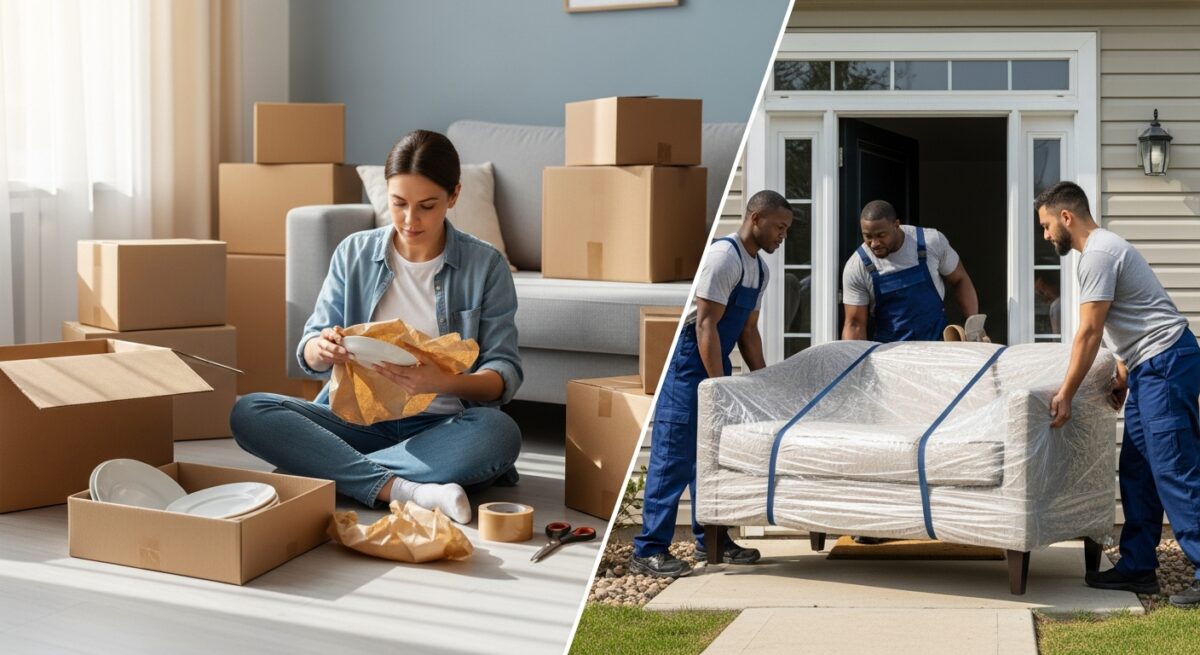
At its simplest, self pack moving (often called DIY moving) means you are responsible for boxing, loading, transporting, and unloading your belongings. You might rent a truck, buy supplies, and recruit friends or family. Full service moving, on the other hand, includes professional movers who handle every step: they bring packing materials, pack your items, load the truck, drive, unload, and can even unpack and arrange furniture in your new home.
The line between these options can blur. Some people hire movers only for loading and unloading while packing themselves. Others use a hybrid service where a company provides a container for you to pack and then transports it. Understanding the full spectrum is important before you commit, especially when the advertised price of a DIY move often hides significant costs like your own labor, travel expenses, and potential damage repairs.
Cost Comparison: Which Option Fits Your Budget?
Cost is the most common deciding factor. A typical self pack move for a two-bedroom apartment might range from $400 to $1,200 for a truck rental and supplies, while a full service move for the same home can range from $2,000 to $5,000 or more. The gap looks huge, but those numbers rarely tell the whole story.
When you pack yourself, you still need to buy boxes, tape, bubble wrap, markers, and specialty containers for fragile items like dishes or electronics. Those supplies alone can cost $150 to $400. You also need to consider the cost of pizza and drinks for your helpers, potential hotel stays if the move is long distance, and fuel or mileage fees for the rental truck. If you damage furniture because you packed poorly, replacing it adds hidden expense. In some cases, the real cost of a DIY move approaches 60 to 70 percent of a full service quote, especially for larger homes or long distances.
Full service moving includes all materials and labor, and with guaranteed pricing from companies like Moving.Homes, you avoid surprise bills. Similar to how refinancing a car loan through car loan refinancing can lower your monthly payments, paying for professional help can save you time and prevent costly mistakes. The upfront price may be higher, but the value of your time and peace of mind is real. To get a clear picture, request quotes for both options and itemize every potential expense.
Hidden Costs of DIY Moving
- Packing supplies (boxes, tape, padding) that you must buy and possibly dispose of afterward.
- Rental truck fuel, mileage fees, and insurance for the vehicle and your cargo.
- The cost of missed work or personal time that could be spent on higher-value activities.
- Potential damage to items due to improper packing, which may not be covered by your renters or homeowners insurance.
- Physical strain and injury risk from lifting heavy furniture without proper equipment or training.
These hidden costs can quickly erode the savings you thought you were getting. Professional movers bring their own dollies, straps, and padding, reducing the chance of damage and injury. They also have the experience to pack awkward items like mirrors, artwork, and large appliances efficiently.
Time and Effort: What Is Your Time Worth?
Packing an entire home takes the average person 20 to 40 hours, spread over several days or weeks. You also need to coordinate truck rental pickup, drop-off, and loading/unloading schedules with helpers. Full service moving compresses that timeline into a single day or two of professional work. For a family with two working adults, the time saved can be worth thousands of dollars.
Consider your hourly wage or how much you value your free time. If you earn $30 per hour, spending 40 hours on packing represents $1,200 of lost earning potential or leisure time. In our guide on professional packing and moving services explained, we show how trained teams can pack a three-bedroom house in four to six hours. That efficiency alone often justifies the premium cost for busy households.
Additionally, the emotional toll of packing under deadline stress is real. Arguments with family members, fatigue, and last-minute scrambles are common in DIY moves. Full service moving lets you focus on other aspects of relocation, such as transferring utilities, changing addresses, and settling children or pets.
Risk and Damage Protection
One of the strongest arguments for full service moving is the protection it offers against damage. Professional movers carry insurance and valuation coverage. If a mover breaks a table, the company compensates you. With self pack moving, you bear all the risk. Your homeowners or renters insurance may cover some losses during a move, but the deductible often exceeds the value of the damaged item.

Movers also use proper techniques to protect your floors, walls, and doorways. They bring floor runners, furniture blankets, and shrink wrap. DIY movers often skip these protections, leading to scuffs, dents, or worse. If you own valuable antiques, art, or electronics, the risk of damage may outweigh any cost savings from packing yourself.
Special Situations: When Full Service Makes Sense
Certain conditions tip the scales decisively toward full service moving. If you have bulky items like a piano, pool table, or heavy gym equipment, professional handling is almost mandatory. Moving these items without proper tools can damage your home or injure you. Similarly, long distance moves introduce logistics like truck breakdowns, overnight parking, and fuel management that are best left to professionals.
Another scenario is a corporate relocation where your employer covers moving expenses. In that case, full service is the obvious choice because it saves you time and qualifies for reimbursement. For elderly individuals or those with physical limitations, packing and lifting are simply unsafe without help. Finally, if you are moving during peak season or on a tight deadline, professional movers can secure the truck and schedule that you might miss when renting a self-service truck.
How to Decide: A Simple Framework
To choose between self pack moving vs full service moving, evaluate these three factors:
- Your budget , Calculate the total cost of both options including hidden expenses. If the difference is less than 30 percent, the convenience of full service often wins.
- Your time availability , If you can dedicate four to six weeks of evenings and weekends to packing, DIY is possible. If you have a two-week window, hire professionals.
- Your risk tolerance , If you have high-value items or are not physically confident moving furniture, choose full service.
After ranking these three criteria, you will likely see a clear winner. Many people find that a hybrid approach (packing less fragile items yourself while hiring movers for heavy and delicate belongings) gives the best of both worlds.
Frequently Asked Questions
Is it always cheaper to do a self pack move?
Not always. When you factor in supplies, rental fees, fuel, and potential damage, the savings may shrink dramatically. For small, local moves with minimal belongings, DIY can be cheaper. For larger homes or long distances, full service can be cost-competitive when you value your time.
What is the biggest advantage of full service moving?
The biggest advantage is peace of mind. Professional movers handle everything from packing to unloading, reducing stress and freeing you to manage other parts of the move. Insurance coverage also protects your items.
Can I combine self packing with professional movers?
Yes. Many moving companies offer labor-only services for loading and unloading while you pack your own boxes. This hybrid approach reduces cost while still giving you professional transport help.
How do I get an accurate quote for full service moving?
Call or fill out an online form with companies like Moving.Homes. Provide an inventory of your rooms and any large items. Reputable movers offer guaranteed pricing with no hidden fees. Ask about their valuation coverage and if they include packing materials.
Choosing between self pack moving vs full service moving ultimately comes down to your personal priorities. There is no single right answer. The best decision balances your budget, schedule, and comfort level. Take time to compare quotes, read reviews, and consider the hidden costs of doing it yourself. A well-informed choice will make your relocation smoother and more predictable. If you lean toward professional help, request a free quote today to see how Moving.Homes can take the heavy lifting off your shoulders.