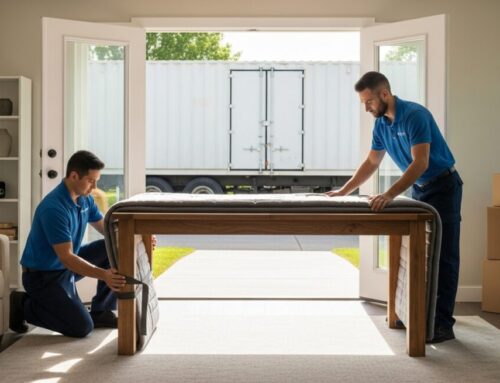
Moving Furniture Cross Country: Cost and Options

Moving large furniture across the country is one of the most stressful parts of any long-distance relocation. You need to decide whether to ship that heirloom dining table, sell it, or pay a premium to bring it along. The decision often comes down to a single question: what is the actual cost of moving furniture cross country, and what are the best options available? This article breaks down the true expenses, the different service types, and the practical steps you can take to make an informed choice. By the end, you will have a clear framework for comparing prices, protecting your belongings, and avoiding hidden fees.
The Real Cost of Moving Furniture Across the Country
Pricing for moving furniture cross country is not one-size-fits-all. Most professional movers calculate costs based on weight, distance, and the level of service you choose. For a typical three-bedroom household moving from New York to California, the average cost ranges from $3,000 to $7,000 for full-service movers. If you are moving only a few pieces of furniture, you might pay between $500 and $2,500 depending on the volume and distance.
Several factors influence the final price. Weight is the biggest driver because trucks charge by the pound for long hauls. Distance matters, but not as much as you might think: a move from Los Angeles to Seattle costs roughly the same per mile as a move from Los Angeles to New York because the trucking overhead is similar. The time of year also plays a role. Summer moves are peak season and can cost 20-30% more than winter moves.
Additional fees can catch you off guard. Many companies charge extra for stairs, long carry distances, bulky items like pianos or pool tables, and disassembly/reassembly of furniture. You may also see fees for shuttle services if a large moving truck cannot access your street. Always ask for a binding estimate that includes all potential surcharges.
Your Main Options for Cross Country Furniture Movers
When you search for cross country furniture movers, you will find three primary service models. Each has distinct trade-offs between cost, convenience, and risk.
Full-Service Moving Companies
Full-service movers handle everything: packing, loading, transportation, unloading, and unpacking. This is the most expensive option but also the most convenient. Companies like Moving.Homes offer professionally trained crews who use high-quality packing materials and digital inventory tracking. You pay a premium for peace of mind and insurance coverage. In our guide on compare cross country moving quotes to save big, we explain how to evaluate these estimates carefully.
The key advantage is that the mover assumes liability for damage during transit. Most full-service companies include basic valuation coverage at 60 cents per pound per item, which is rarely enough for expensive furniture. You should purchase additional full-value protection to cover the replacement cost of your items. Expect to pay 1-2% of the declared value of your belongings for this upgraded coverage.
Rent-a-Truck and Self-Service Options
Renting a truck and driving yourself is the cheapest way to move furniture cross country. A one-way rental from a company like U-Haul or Penske costs between $800 and $2,500 for a cross-country trip, plus fuel and tolls. You also need to factor in the cost of labor if you hire hourly workers to load and unload. This option saves money but requires significant physical effort and time.
A middle-ground approach is the self-service container model. Companies like PODS or U-Pack drop off a portable container at your home, you load it at your own pace, and they transport it to your new address. This costs roughly $1,500 to $4,000 for a cross-country move. You avoid driving a large truck, but you still need to handle the loading and unloading yourself. This option works well for people who have flexible timelines and want to avoid the stress of driving a 26-foot truck through mountain passes.
Freight and LTL Shipping for Furniture
If you are moving only a handful of furniture pieces, consider LTL (less-than-truckload) freight shipping. Companies like uShip, FedEx Freight, or YRC allow you to ship individual items on pallets. The cost is based on the cubic footage and weight of your items, typically ranging from $200 to $800 per piece for cross-country distances. You must crate or palletize the furniture yourself, and you are responsible for loading and unloading at the terminals.
The major drawback is that your furniture will travel on a truck with other shipments, increasing the risk of scratches or dents. You also lose the convenience of door-to-door service unless you pay extra for liftgate delivery. This option is best for durable, non-fragile items like metal bed frames or outdoor furniture.
Hidden Costs You Must Watch For
Even after you receive a quote, several hidden costs can inflate your final bill. Understanding these pitfalls will help you avoid surprises on moving day.

- Stair fees: Most companies charge extra for flights of stairs beyond the first floor. A walk-up apartment with three flights can add $100-$300 to your move.
- Long carry fees: If the moving truck cannot park close to your entrance, the crew charges for the extra distance. This is common in dense urban areas or rural properties with long driveways.
- Disassembly and reassembly: Movers often charge per item for taking apart bed frames, sectionals, or modular shelving and putting them back together. Ask if this is included in the base rate.
- Bulky item surcharges: Pianos, pool tables, grandfather clocks, and large safes require special handling. Expect a surcharge of $100-$500 per item.
- Storage fees: If your new home is not ready when the truck arrives, the mover may place your belongings in storage for a daily fee. This can add up quickly if your closing date is delayed.
Before signing a contract, request a written list of all potential surcharges. Reputable companies will disclose these upfront. If a mover refuses to provide a detailed breakdown, consider that a red flag.
Should You Ship Furniture or Buy New?
A cost analysis can help you decide whether moving furniture cross country is worth it. Compare the price of moving each piece against its replacement value. For example, a $800 sofa that costs $600 to move might not be worth shipping. On the other hand, a $3,000 antique dining set that costs $400 to move is clearly worth taking.
Consider the quality and sentimental value of your furniture. Mass-produced items from big-box stores are often cheaper to replace than to move. Custom or heirloom pieces justify the expense. Also factor in the time and hassle of shopping for new furniture after your move. Setting up a new home from scratch requires weeks of effort and additional delivery costs.
How to Prepare Furniture for a Cross Country Move
Proper preparation reduces the risk of damage and can lower your moving costs. Disassemble large items yourself if you are comfortable doing so. Remove legs from tables, take apart bed frames, and detach mirrors from dressers. Keep all screws and hardware in labeled bags taped to the furniture piece.
Protect surfaces with furniture pads, bubble wrap, and stretch wrap. For wood furniture, use a specialized packing paper rather than newspaper to prevent ink transfer. Wrap glass tabletops separately and mark them as fragile. For upholstered items, consider using shrink wrap to keep dust and dirt off during transit.
Frequently Asked Questions
How much does it cost to move furniture cross country?
The cost ranges from $500 to $7,000 depending on the volume of furniture, distance, and service level. A single piece of furniture typically costs $200 to $800 to ship via freight. Full-service moves for a three-bedroom home average $3,000 to $7,000.
Is it cheaper to ship furniture or buy new?
It depends on the value and quality of your furniture. For mass-produced items, buying new is often cheaper. For high-quality or sentimental pieces, shipping is the better financial and emotional choice. Use the 50% rule: if the moving cost exceeds half the replacement value, consider replacing the item.
What insurance do I need for moving furniture?
Basic valuation coverage is included at no charge but only pays 60 cents per pound per item. Purchase full-value protection from your mover for 1-2% of the declared value. This covers repair or replacement at current market value. Check your homeowner’s or renter’s insurance policy as it may offer coverage during transit.
How long does a cross country furniture move take?
Door-to-door transit typically takes 7 to 14 days for a full-service move. Container services can take 10 to 21 days depending on the route. Freight shipping is usually the fastest option at 3 to 7 days for LTL shipments.
Making Your Final Decision
Choosing the right method for moving furniture cross country comes down to balancing your budget, timeline, and tolerance for risk. Full-service movers offer the highest convenience and protection at the highest cost. Self-service options save money but require more effort and advance planning. Freight shipping works well for a few durable pieces. Before you commit, get at least three written estimates from licensed and insured companies. Verify their USDOT number with the Federal Motor Carrier Safety Administration. Read customer reviews and check their complaint history. By doing your homework upfront, you can move your furniture across the country with confidence and avoid costly surprises. If you need a reliable starting point, consider requesting a free quote from Moving.Homes to compare professional options tailored to your specific furniture load. Learn more