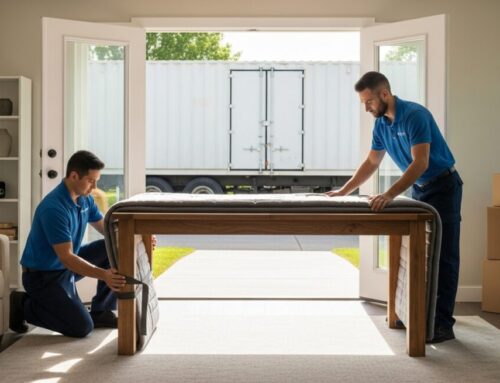
Interstate Movers for Moving Between States

Relocating across state lines is one of the most significant logistical events a household can face. Unlike a local move where you can shuttle boxes across town in a single afternoon, an interstate relocation involves complex regulations, long distances, and the need for professional coordination. This is where interstate movers for moving between states become essential. These specialized carriers handle the unique challenges of crossing state borders, from navigating weight stations to managing delivery windows that span multiple days. By hiring a professional team, you gain a partner who understands the nuances of cross-country transport, helping you avoid the pitfalls that often catch DIY movers off guard.
The decision to move between states is rarely spontaneous. It is usually tied to a new job, family obligations, or a lifestyle change. The process demands careful planning, budgeting, and research. Many people underestimate the physical and mental toll of packing an entire household, driving a rental truck hundreds of miles, and then unloading everything at the destination. Interstate movers and packers offer a solution that saves time and reduces risk. They bring the equipment, labor, and experience needed to handle bulky furniture, fragile items, and heavy boxes. In our Interstate Movers Cost Breakdown and Pricing Guide, we explain how to evaluate quotes and understand what drives the final price, giving you the confidence to choose a service that fits your budget.
When you trust your move to a professional interstate mover, you are not just paying for transportation. You are paying for peace of mind. These companies carry the necessary licensing and insurance required by the Federal Motor Carrier Safety Administration (FMCSA). This protection means your belongings are covered in the unlikely event of damage or loss. Furthermore, reputable movers provide a binding estimate that locks in the price, so you will not face surprise charges on moving day. This transparency is a cornerstone of the best interstate moving services and is one of the main reasons families choose professional help over a rental truck.
What Defines a Professional Interstate Mover
Not all moving companies are created equal. A true interstate mover operates under a specific set of rules that differ from local movers. The key distinction lies in licensing. Interstate movers must have a valid USDOT number from the FMCSA. This number allows you to check their safety record, insurance status, and complaint history through the FMCSA’s online database. If a company cannot provide this number or claims it is unnecessary for a state-to-state move, consider that a major red flag.
Professional interstate movers also offer a full suite of services that go beyond loading a truck. They provide an in-home or virtual survey of your belongings to create an accurate estimate. They handle the disassembly and reassembly of furniture. They offer packing materials and labor. They manage the logistics of driving a fully loaded truck across state lines, scheduling deliveries within a window that works for you. Moving states movers with a strong reputation will also have a clear process for handling claims, should any item arrive damaged. This comprehensive approach is what separates a reliable company from a fly-by-night operation.
Another hallmark of a professional interstate mover is their use of standardized contracts. The FMCSA requires that all interstate moves include a Bill of Lading and a written estimate. These documents outline the terms of service, the delivery schedule, and the cost. You should never sign a blank contract or agree to a move without a written estimate. A trustworthy company will walk you through these documents and answer any questions before the moving truck arrives. This level of transparency is a direct benefit of working with moving states movers who are federally regulated.
Services Offered by Interstate Movers and Packers
Interstate movers and packers provide a range of options that can be tailored to your specific needs. The most common service is a full-service move, where the company handles everything from packing your kitchen to unloading the truck at your new home. This is ideal for families who lack the time or physical ability to manage the move themselves. It is also the safest option for valuable items like antiques, artwork, and electronics, as professional packers use specialized materials to prevent damage.
For those on a tighter budget, many interstate movers offer partial services. You might choose to pack your own belongings but hire the movers to load, transport, and unload the truck. Some companies also offer a labor-only service, where they send a crew to load your rental truck while you drive it to your new state. This hybrid approach can save money while still providing the heavy lifting expertise you need. When considering these options, think about the value of your time and the risk of injury. Moving heavy furniture and boxes up and down stairs is a leading cause of moving-day injuries, and professional movers have the training and equipment to do it safely.
Storage is another critical service offered by interstate movers. During a long-distance move, there is often a gap between your move-out date and your move-in date. Reputable companies provide secure, climate-controlled storage facilities where your belongings can stay until you are ready for them. This flexibility can reduce stress significantly, as it removes the pressure of having to coordinate two dates perfectly. Some movers even offer a “load and store” option, where they pack your home, load the truck, and place your items in storage until you give the green light for delivery.
Pricing Structures You Should Understand
The cost of an interstate move is determined by several factors, and understanding these can help you avoid overpaying. The primary pricing model is based on the weight of your shipment and the distance traveled. Movers weigh the truck before and after loading to calculate the exact weight of your belongings. This is why an accurate inventory is so important. If you underestimate the number of boxes or furniture pieces, the final weight could be higher than the estimate, leading to a higher bill.
Other factors that affect the price include the time of year, the complexity of the move, and the need for specialty services. Moving during the summer months or on weekends is typically more expensive due to higher demand. If your home has narrow staircases, long hallways, or an elevator that requires scheduling, the move may take longer and cost more. Specialty items like pianos, pool tables, or large sculptures require extra equipment and skill, which adds to the cost. A good interstate mover will break down these charges in your estimate, so you know exactly what you are paying for.
It is also important to distinguish between binding and non-binding estimates. A binding estimate guarantees the total cost based on the inventory you provided. The mover cannot charge you more than this amount, even if the shipment weighs more than expected. A non-binding estimate is just a guess. The final price is determined after the truck is weighed, and you could end up paying significantly more. For interstate moves, a binding estimate is always the safer choice. It provides the financial predictability you need to budget effectively.
How to Prepare for Your Interstate Move
Preparation is the key to a smooth interstate relocation. Start by decluttering your home. Moving states movers charge by weight, so every unnecessary item you discard saves you money. Host a garage sale, donate to charity, or recycle old electronics and furniture. The less you have to move, the lower your total cost will be. This also makes packing and unpacking faster and less overwhelming.
Next, create a detailed inventory of everything you plan to take. Go room by room and list each item. This inventory serves two purposes. It helps the mover create an accurate estimate, and it provides a record if you need to file a claim for lost or damaged items. Take photos of high-value items before the move. This documentation can be invaluable if a dispute arises. When the movers arrive, you will check off each item as it is loaded onto the truck, and you will do the same at delivery.

Packing requires a strategic approach. If you are packing yourself, invest in quality boxes and packing tape. Use bubble wrap for fragile items and dish packs for your kitchenware. Label each box with its contents and the room it belongs to. Color-coded labels can speed up the unloading process at your new home. If you are using interstate movers and packers for the packing service, you simply need to secure your valuables and personal documents. The professionals will handle the rest with speed and efficiency.
Finally, plan for the day of the move itself. Ensure the movers have a clear path from your home to the truck. Move vehicles out of the driveway. Have snacks and water available for the crew. Most importantly, be present and available to answer questions. The more accessible you are, the smoother the loading process will be. After the truck is loaded, do a final walkthrough of your empty home to check for any items left behind in closets, drawers, or the attic.
Common Mistakes to Avoid
One of the most common errors people make is choosing a mover based solely on the lowest price. While budget is important, an extremely low estimate is often a sign of a scam. Unscrupulous movers may lowball you on the initial quote and then demand more money before unloading your items. This practice, known as hostage load, is illegal but still occurs. Always verify a mover’s credentials and read customer reviews on independent sites like the Better Business Bureau or Yelp.
Another mistake is failing to understand the insurance coverage. By law, interstate movers must offer two types of valuation coverage. Released value protection is free, but it provides minimal coverage at $0.60 per pound per item. This means a 10-pound box of electronics would only be worth $6 in the eyes of the mover. Full value protection costs more, but it requires the mover to repair or replace damaged items or pay you the current market value. For most people, the extra cost of full value protection is worth the peace of mind, especially for expensive furniture and electronics.
Many people also forget to plan for the first night in their new home. After a long day of driving and unloading, the last thing you want to do is search through dozens of boxes for bedding and toiletries. Pack a separate overnight bag with essentials like clothes, medications, toiletries, phone chargers, and a change of sheets. Label this bag clearly and keep it with you in your car, not in the moving truck. This small step can make the first night in your new home much more comfortable.
For those looking to finance their move or purchase a vehicle for their new location, exploring your options early can be helpful. A resource like StartAutoLoan.com can assist in securing funding for a new car or covering unexpected moving expenses, ensuring you have the transportation you need at your destination.
Frequently Asked Questions
How far in advance should I book an interstate mover?
It is best to book your interstate mover at least four to six weeks before your move date. During peak season (May through September), you may need to book even earlier, sometimes eight to ten weeks in advance. This lead time ensures you get your preferred dates and gives you time to compare estimates from multiple companies.
Do interstate movers provide packing supplies?
Yes, most interstate movers offer packing supplies for purchase, including boxes, tape, bubble wrap, and furniture pads. If you are using a full-service move, the movers will bring all necessary materials. If you are packing yourself, you can often order supplies directly from the moving company and have them delivered before moving day.
Can I ship my car with my household goods?
Some interstate movers offer vehicle transport as part of their service, but this is not always the case. You may need to hire a separate auto transport company to ship your car. If you have more than one vehicle, check with your mover to see if they offer a combined service or if they can recommend a trusted partner.
What happens if my belongings are delayed?
Reputable interstate movers provide a delivery window in your contract. If the mover is significantly late, you may be entitled to compensation under the terms of your agreement. Communication is key. A good mover will keep you updated on the driver’s progress and provide an estimated delivery time. If you have a time-sensitive need, such as furniture arriving before a new tenant moves in, discuss this with your mover during the booking process.
Are there items interstate movers will not transport?
Yes, federal regulations prohibit movers from transporting hazardous materials like propane tanks, gasoline, paint thinners, and certain cleaning chemicals. Most movers also refuse to transport perishable food, plants, or pets. You should plan to dispose of hazardous items before the move and transport plants and pets in your own vehicle. Always check with your mover for their specific list of prohibited items.
Moving between states is a major undertaking, but it does not have to be a stressful one. By hiring qualified interstate movers for moving between states, you are investing in a service that handles the heavy lifting, the logistics, and the legal requirements. The key is to start early, do your research, and choose a company that values transparency and customer service. With the right partner, your interstate relocation can be the start of an exciting new chapter, not a source of frustration.