Your Moving House Packing Checklist Essentials
Moving to a new home is one of life’s most stressful events, and the packing process is often the biggest source of that stress. Without a clear plan, you can easily waste time, misplace important items, and damage your belongings. A structured moving house packing checklist transforms chaos into a manageable, step-by-step process. By breaking the work into phases and tackling each room with intention, you protect your possessions and save your sanity. This guide provides the essential checklist you need to pack efficiently, avoid common mistakes, and prepare for a smooth moving day.
Why a Packing Checklist Is Non-Negotiable
Packing without a checklist is like driving to a new city without a map. You might eventually arrive, but you will waste fuel, time, and energy along the way. A comprehensive house moving packing list ensures you do not forget critical supplies, overlook fragile items, or leave essential documents behind. It also helps you sequence your work so that you are not scrambling at the last minute. When you follow a check list for moving house, you create a system that reduces anxiety and increases efficiency. This is especially important if you are coordinating with professional movers, as a well-organized home speeds up their work and lowers your costs.
Beyond organization, a checklist protects your budget. Last-minute packing often leads to damaged items, lost keys, or urgent supply runs that add unexpected expenses. By planning ahead, you can source free boxes, schedule your packing around your daily life, and ensure that fragile items are properly wrapped. In our guide on Packing for Moving House: Complete Checklist, we explain how to tailor your approach to your specific timeline and home size. The key is to start early and work methodically, so that moving day feels like the final step of a well-executed plan rather than a frantic rush.
Gather Your Packing Supplies First
Before you wrap a single dish or seal a single box, you need the right tools. Running out of tape or boxes mid-project slows you down and forces you to make poor packing decisions. A good moving house packing checklist begins with a supply inventory. You will need various box sizes, packing tape, bubble wrap, packing paper, markers, labels, and specialty boxes for items like mirrors or televisions. Do not forget mattress bags, furniture blankets, and stretch wrap for protecting upholstery and electronics.
Many people underestimate the quantity of supplies they need. A good rule of thumb is to acquire more boxes than you think you will require, especially small and medium sizes. Heavy items like books should go in small boxes to keep them manageable, while lightweight items like linens can fill larger boxes. You can purchase supplies from moving companies or home improvement stores, or you can source free boxes from local grocery stores and liquor stores. Just be sure to check that used boxes are clean and sturdy. Label all boxes clearly on multiple sides with the room destination and a brief description of contents. This simple step saves hours on unpacking day.
Room-by-Room Packing Strategy
Packing an entire house is overwhelming if you try to do it all at once. The most effective approach is to work room by room, completing one space before moving to the next. This method keeps you focused and prevents the chaos of half-packed boxes scattered throughout the house. Start with rooms you use least often, such as guest bedrooms, storage areas, or formal dining rooms. These spaces typically contain items you can pack weeks in advance without disrupting your daily life. As you move closer to moving day, tackle frequently used areas like kitchens and bathrooms.
Within each room, follow a consistent system. First, sort items into three categories: keep, donate, and discard. Moving is the perfect opportunity to declutter, and every item you eliminate reduces your packing workload and moving cost. Next, pack non-essentials first. Seasonal clothing, decorative items, and extra linens can be packed early. Leave out only the items you need for the weeks leading up to the move. Finally, pack the room’s contents in logical groupings. For example, pack all bedding together, all books together, and all wall decorations together. This makes unpacking much faster because you can find what you need without opening multiple boxes.
Kitchen Packing Tips
The kitchen is often the most challenging room to pack due to the variety of fragile items and awkward shapes. Start by packing small appliances, cookware, and pantry items that you do not use daily. Wrap each dish and glass individually in packing paper, and place them vertically in boxes to distribute weight. Use dish packs with dividers for fine china and stemware. Label boxes as fragile on all sides. When packing knives, wrap each blade in cardboard or a knife guard for safety. For the few items you will use until moving day, set aside a clearly marked open-first box. This box should include a coffee maker, a few dishes, utensils, and basic cookware for your first night in the new home.
Bedroom and Clothing Packing
Clothing can be packed efficiently using wardrobe boxes, which allow you to hang garments directly from your closet rods into the box. This method keeps clothes wrinkle-free and saves folding time. For off-season clothing, use vacuum-seal bags to reduce volume and make boxes lighter. Shoes should be packed in small boxes or duffel bags, with each shoe wrapped in tissue paper to prevent scuffing. Do not forget to pack bedding, pillows, and towels in separate labeled boxes so you can easily make beds on moving night. For valuables like jewelry or important documents, keep them with you rather than packing them in the moving truck.
Labeling and Inventory System
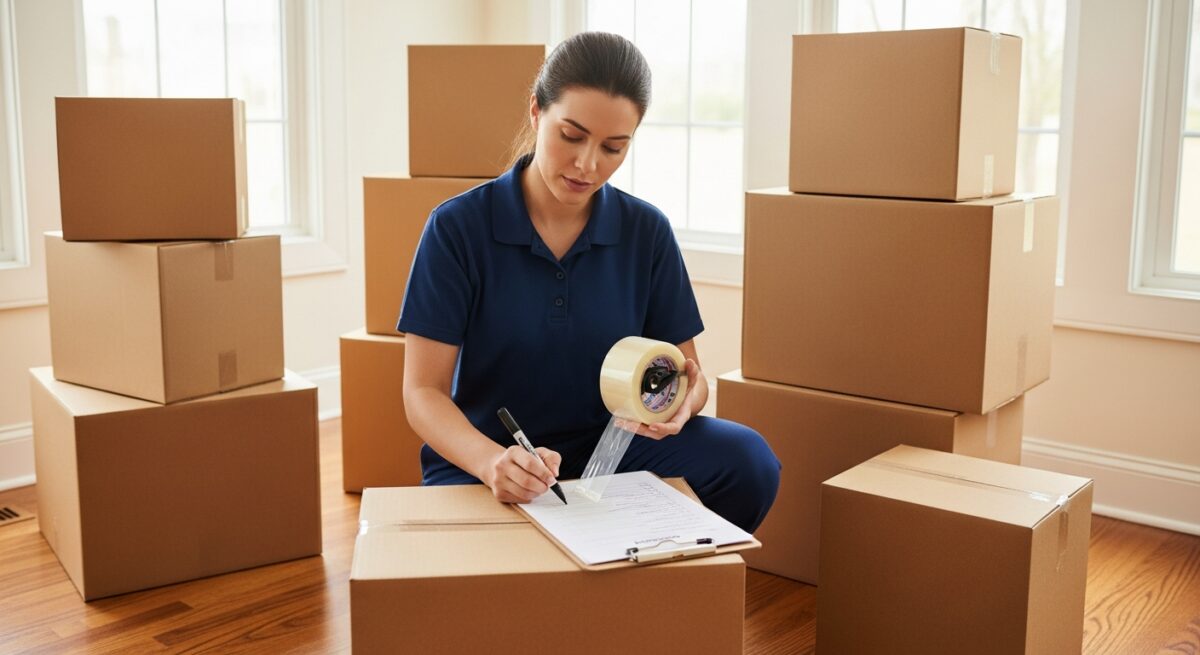
A robust labeling system is the backbone of an efficient move. Simply writing the room name on a box is not enough. Your moving house packing checklist should include a numbering system that corresponds to a master inventory list. For example, label each box with a number and the room name, then create a spreadsheet or notebook that lists the general contents of each numbered box. This system allows you to quickly find specific items without opening multiple boxes. It also helps if a box goes missing, as you can identify exactly what was inside.
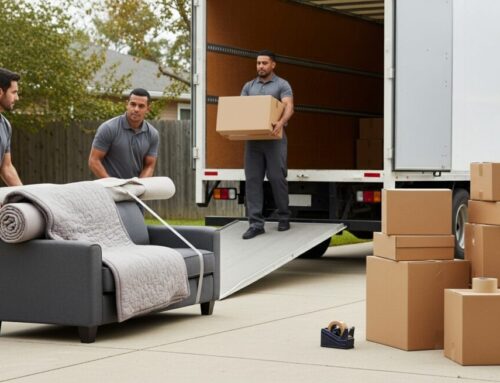
Color-coded labels are another powerful tool. Assign a different color to each room in your new home, and place a colored sticker on each box. This makes it easy for movers to place boxes in the correct rooms without needing to read labels. Mark fragile boxes with a bold fragile sticker and a directional arrow showing which side should face up. For boxes containing essential items you will need immediately, use a bright red sticker or a special open-first designation. Communicate your labeling system to your moving crew so they can follow it accurately.

Packing Special Items and Valuables
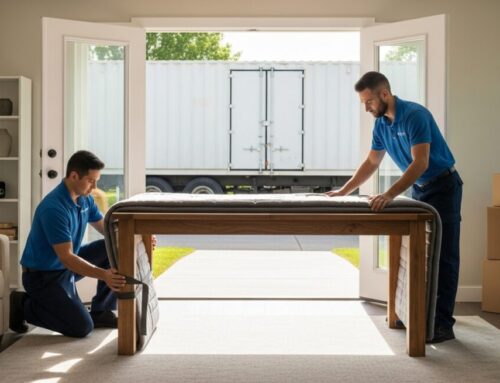
Some items require extra care and planning. Artwork, mirrors, and large electronics need specialized packing materials and techniques. For framed art, use corner protectors and wrap the frame in bubble wrap before placing it in a picture box. Mirrors and glass tabletops should be taped with an X pattern across the surface to prevent shattering, then wrapped in moving blankets. Electronics like televisions and computers should be packed in their original boxes if possible, or in sturdy boxes with ample padding. Remove cables and label them so you can easily reconnect everything at your new home.
Valuables such as jewelry, important documents, family heirlooms, and passports should never go in the moving truck. Instead, pack them in a personal bag or small safe that you transport yourself. This eliminates the risk of loss or theft during transit. For items with sentimental value that cannot be replaced, take extra time to pack them securely and consider carrying them in your vehicle. If you are moving valuable artwork or antiques, you may want to consult with a professional moving company that offers customized crating and insurance options. Many professional movers provide specialized services for high-value items, and this can give you peace of mind.
Creating Your Moving Day Essentials Box
One of the most important elements of any check list for moving house is the essentials box. This is a separate bag or box that you keep with you at all times during the move, not loaded onto the truck. It contains everything you need for your first 24 hours in the new home. Pack this box last so that it reflects your most current needs. Typical contents include toiletries, a change of clothes, phone chargers, basic tools (screwdriver, scissors, tape), snacks, water, paper plates, and any medications. Also include important documents like your lease or deed, moving contract, and identification.
Having this box readily accessible prevents you from digging through dozens of boxes on your first night. It also provides a sense of security knowing that your immediate needs are covered regardless of what happens with the moving truck. After a long moving day, the last thing you want to do is search for a toothbrush or a phone charger. By preparing this box in advance, you set yourself up for a comfortable first evening in your new home.
Frequently Asked Questions
How many boxes will I need for a typical three-bedroom home?
A three-bedroom home typically requires 50 to 80 boxes, depending on how much you own and how thoroughly you declutter. Small boxes for books and heavy items, medium boxes for kitchenware, and large boxes for linens and lightweight items are all needed. It is better to have extra boxes than to run out mid-pack.
Should I pack my own belongings or hire professional packers?
It depends on your budget and timeline. DIY packing saves money but requires significant time and effort. Professional packers from a moving company can complete the job quickly and ensure fragile items are properly protected. Many moving companies offer partial packing services, allowing you to pack non-essentials while they handle the kitchen and valuables.
How far in advance should I start packing?
Start packing non-essential items four to six weeks before your move. Begin with storage areas, guest rooms, and seasonal items. Two weeks before the move, pack the majority of your belongings, leaving out only daily essentials. Finish packing the kitchen and bathroom one to two days before moving day.
What is the best way to pack fragile items?
Wrap each fragile item individually in packing paper or bubble wrap. Use dish packs with dividers for plates and stemware. Place heavier items at the bottom of the box and lighter items on top. Fill empty spaces with crumpled paper to prevent movement. Label the box as fragile on all sides.
How do I keep track of what is in each box?
Number each box and create a master inventory list that describes the general contents. Use color-coded labels for each room to help movers place boxes correctly. Keep the inventory list with your essentials box so you can reference it during unpacking.
Final Thoughts on Your Packing Journey
A well-executed move begins with a clear plan and the right tools. By following a detailed moving house packing checklist, you reduce stress, protect your belongings, and save time and money. Remember to start early, declutter as you go, and use a labeling system that works for you. Pack room by room, keep your essentials box close, and do not hesitate to ask for professional help when needed. For those seeking a reliable moving partner, checking financial options for your move can help you budget for professional packing services or storage solutions. With the right preparation, your move can be a smooth transition to the next chapter of your life.