How Piano Moving Companies Protect Your Investment
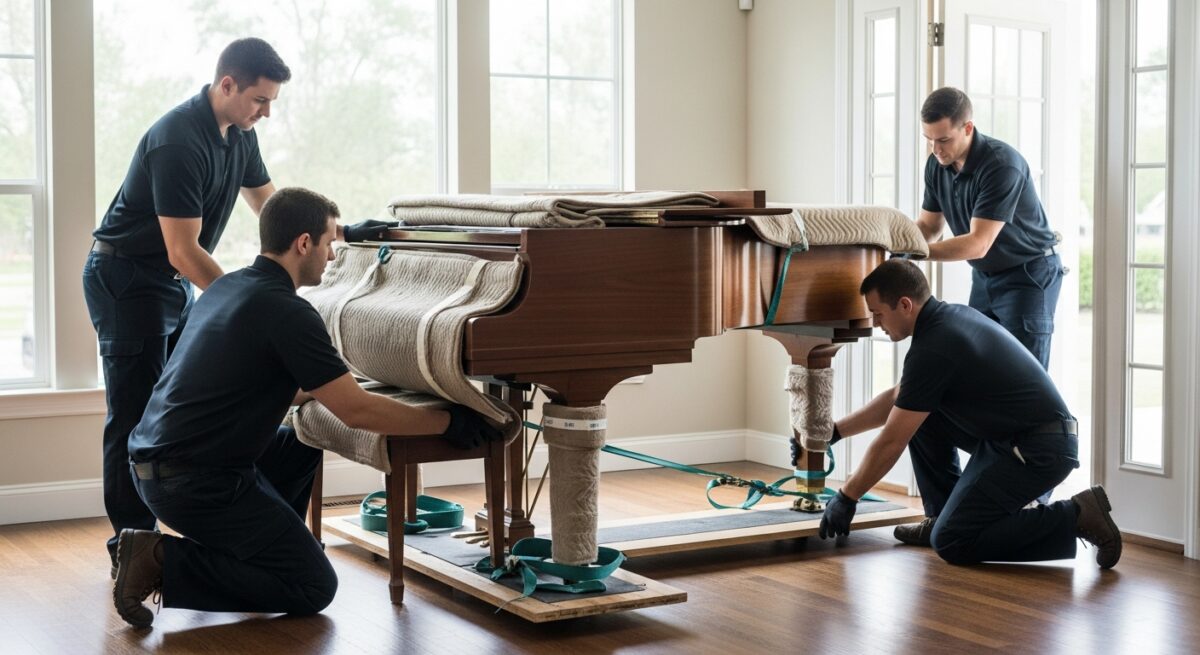
Moving a piano is not like moving a sofa or a bookshelf. A piano is a sensitive, heavy, and valuable instrument that requires specialized handling. Whether you own an upright, a grand, or a digital piano, the wrong move can lead to costly damage, tuning issues, or even structural failure. That is why relying on piano moving companies and specialized moving services is essential for a safe and successful relocation.
Pianos can weigh anywhere from 300 pounds for a small upright to over 1,200 pounds for a concert grand. Their internal components, including strings, soundboards, and action mechanisms, are delicate and easily affected by improper lifting, tilting, or vibration. Professional piano movers use specific equipment such as piano skids, straps, ramps, and padded covers to secure the instrument during transport. They also understand the geometry of moving a piano through doorways, up staircases, and around tight corners without damaging the instrument or your home.
In this article, we will explore what sets a professional piano moving company apart from a general mover, the types of specialized services available, how to choose the right provider, and the costs involved. We will also answer common questions to help you feel confident about your next piano move.
What Makes Piano Moving Companies Different
A standard moving crew may have the muscle to lift heavy boxes, but they often lack the training and equipment needed for a piano. Piano moving companies and specialized moving services focus exclusively or heavily on the logistics of moving large, fragile musical instruments. Their teams undergo specific training on how to handle the weight distribution of a piano, how to protect the finish, and how to prevent internal damage.
One of the biggest risks during a piano move is improper lifting. Pianos are not symmetrical, and their weight is concentrated in the heavy cast iron frame and the thick soundboard. If a mover lifts from the wrong point, the piano can become unbalanced, causing it to tip or put stress on the legs and wheels. Professional piano movers use a piano board (a flat, padded platform) and lifting straps to distribute weight evenly. They also use specialized dollies that can support the piano’s weight without scratching the floor.
Another critical factor is climate control. Pianos are sensitive to temperature and humidity changes. A sudden shift in environment can cause the wood to expand or contract, leading to cracks, tuning instability, or even broken strings. Many piano moving companies offer climate-controlled trucks or recommend specific packing methods to minimize exposure. This level of care is not something you can expect from a general moving service.
Types of Specialized Piano Moving Services
Piano moving is not a one-size-fits-all service. Depending on the type of piano, the distance of the move, and the obstacles in your home, different specialized services may be required. Here are the most common offerings from piano moving companies and specialized moving services:
- Local Piano Moving: For moves within the same city or region, local piano movers handle the pickup, transport, and delivery of your piano. This typically includes basic packing and protection of the instrument.
- Long-Distance Piano Moving: For moves across state lines or across the country, long-distance piano movers coordinate logistics, permits, and scheduling. They often use larger trucks with air-ride suspension to reduce vibration.
- Stair and Elevator Moves: If your piano needs to go up or down stairs, or fit into an elevator, specialized techniques are required. Movers may use a stair climber dolly or disassemble parts of the piano to navigate tight spaces.
- Storage Services: If you need to store your piano temporarily, some companies offer climate-controlled storage units specifically designed for musical instruments. This prevents damage from humidity and temperature fluctuations.
- Piano Tuning and Repair Referrals: Many piano movers work with local piano technicians and can recommend a tuner to check and adjust your instrument after the move. Some even offer a post-move tuning as part of their service package.
When you hire a company that provides these specialized options, you are paying for peace of mind. They know the risks and how to mitigate them. For example, if your piano is a grand piano, the movers will likely need to remove the legs and lyre before wrapping and loading it. This requires knowledge of the piano’s assembly and the right tools to do it safely.
How to Choose the Right Piano Moving Company
Selecting a reliable piano moving company requires more than a quick online search. You want a company that has a proven track record, proper insurance, and transparent pricing. Here are some steps to follow when evaluating your options:
First, ask about their experience specifically with pianos. A general moving company might claim they can move a piano, but they may have only done it a few times. You want a mover who handles pianos regularly and can show you examples of similar moves. Check online reviews and ask for references. Look for mentions of careful handling, punctuality, and whether the piano arrived in good condition.
Second, verify that the company carries adequate insurance. Most professional piano movers have liability insurance that covers damage to the instrument during the move. Ask for a certificate of insurance and understand what is covered. Some policies may cover the full replacement value, while others have limits. If you have a particularly valuable or antique piano, you may need to purchase additional insurance or a rider.
Third, get a detailed written estimate. Reputable piano moving companies and specialized moving services will provide an in-home inspection before giving you a quote. They need to see the piano, the path it will travel, and any obstacles like stairs or narrow hallways. Avoid companies that give you a quote over the phone without seeing the instrument. A proper estimate should include all fees, such as packing materials, equipment rental, stairs charges, and travel time.
Finally, consider the company’s reputation for customer service. Moving a piano can be stressful, and you want a company that communicates clearly and responds to your questions. Look for a mover who offers a clear timeline and keeps you informed throughout the process. If you are looking for more detailed guidance on finding local providers, you can read our in-depth guide on how to find and hire professional piano moving services near you.

The Cost of Piano Moving Services
The cost of hiring a piano moving company varies based on several factors. Understanding these factors can help you budget and avoid surprises. On average, a local piano move might cost between $150 and $600, while a long-distance move can range from $500 to $2,500 or more. Here is what influences the price:
- Type and Size of Piano: Upright pianos are generally cheaper to move than grand pianos. A concert grand will cost significantly more due to its weight and the need for disassembly.
- Distance: Local moves are typically charged by the hour, while long-distance moves are based on mileage and travel time. Fuel costs and tolls may also be added.
- Stairs and Elevators: If the piano must be moved up or down multiple flights of stairs, or if an elevator is required, there will be an additional charge. Moves involving tight staircases or spiral stairs are more labor-intensive.
- Packing and Protection: Some companies include basic padding and shrink wrap in their base price, while others charge extra for custom crating or heavy-duty blankets. Always ask what is included.
- Insurance: Basic liability insurance is often included, but full replacement value insurance will add to the cost. For a high-value piano, this is a worthwhile investment.
It is important to note that the cheapest quote is not always the best deal. A low-cost mover may lack experience or proper equipment, increasing the risk of damage. Paying a little more for a reputable company can save you thousands in repairs or replacement costs. Always balance cost with the mover’s qualifications and reputation.
Preparing for Your Piano Move
Once you have selected a piano moving company, there are steps you can take to prepare for moving day. Proper preparation ensures a smoother process and reduces the risk of damage. Start by clearing a path from the piano’s current location to the exit. Remove any rugs, furniture, or obstacles that could trip the movers or block the way. Measure doorways, hallways, and staircases to confirm the piano will fit. If there are tight spots, discuss them with your mover in advance.
Next, make sure the piano is clean and free of loose items. Remove any music books, sheet music, or decorative items from the top of the piano. If your piano has a lock, ensure the lid is secured. Do not attempt to disassemble the piano yourself unless you are trained. Professional movers have the tools and knowledge to remove legs, pedals, and other parts safely.
Finally, protect your floors and walls. Even with professional movers, accidents can happen. Lay down protective coverings on the floors along the path, and use corner guards on walls. This is especially important in older homes with narrow hallways or delicate flooring. Your piano mover may provide these protections, but it is good to confirm ahead of time.
Frequently Asked Questions About Piano Moving
Can I move a piano myself to save money?
Moving a piano yourself is not recommended unless you have the proper equipment and experience. Pianos are heavy, awkward, and easily damaged. DIY moves often result in injury, damage to the piano, or damage to your home. The cost of repairs or replacement typically outweighs the savings from a professional move.
How long does a piano move take?
A local piano move usually takes 2 to 4 hours from start to finish, including packing, loading, transport, and setup in your new home. Long-distance moves take longer depending on the distance and logistics. Your mover should provide a time estimate during the quote process.
Will my piano need tuning after the move?
Yes, it is highly recommended to have your piano tuned 2 to 4 weeks after the move. The change in environment and the vibrations during transport can affect the tuning. Waiting allows the piano to acclimate to its new space before the technician adjusts it.
What if my piano is damaged during the move?
A reputable piano moving company will have insurance to cover damage. If damage occurs, document it with photos and contact the company immediately. They should guide you through the claims process. For this reason, it is important to choose a company with proper insurance and a clear claims policy.
Do piano movers also handle other heavy items?
Many piano moving companies and specialized moving services offer additional services such as moving safes, large sculptures, or antique furniture. If you have other heavy or valuable items, ask if they can handle them as part of the same move. This can save you time and money by consolidating services.
For more information on piano moving and other relocation needs, you can explore resources on Moving.Homes, a comprehensive relocation resource offering expert guides and professional moving services.
Final Thoughts on Piano Moving
Moving a piano is a significant undertaking that requires expertise, special equipment, and careful planning. By choosing a professional piano moving company, you protect your investment and reduce the stress of the relocation. Piano moving companies and specialized moving services offer the knowledge and tools needed to handle your instrument with care, whether it is a local move or a cross-country journey. Take the time to research providers, ask the right questions, and prepare your home and piano ahead of time. With the right team, your piano will arrive safely and be ready to make music in its new home.