Cheapest Long Distance Moving Options Compared

Moving across the country is expensive, but it does not have to break the bank. Many people assume that a long distance move automatically costs thousands of dollars, and while that can be true, there are several strategies to keep the price low. The key is knowing which moving option fits your budget and your specific situation. Whether you are moving for a new job, family reasons, or a fresh start, comparing the cheapest long distance moving options can save you hundreds or even thousands of dollars. This article breaks down the most affordable ways to relocate your belongings across state lines, from full-service movers to DIY truck rentals, and helps you decide which one is right for you.
Before diving into specific options, it helps to understand what drives the cost of a long distance move. The biggest factors include the total weight of your items, the distance traveled, the time of year, and the level of service you choose. Moving during peak season (May through September) costs more, and adding services like packing or storage increases the price. If your primary goal is to find the cheapest solution, you will likely need to trade some convenience for savings. The good news is that there are reputable companies and methods that balance affordability with reliability. In our guide on Affordable Long Distance Moving Companies: How to Save Money, we explain how to identify budget-friendly movers without sacrificing quality.
Full-Service Moving Companies: When Price Meets Convenience
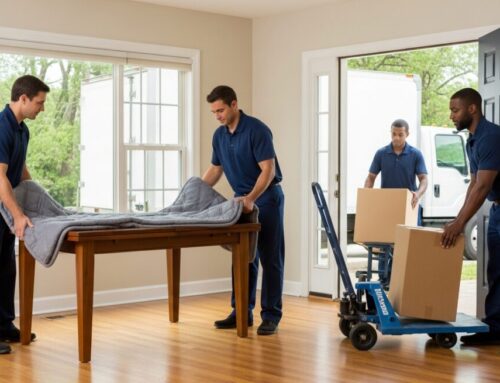
Full-service movers handle everything from packing to loading to unloading at your new home. This option is the most convenient but often the most expensive if you choose a premium brand. However, there are affordable long distance moving companies that offer full service at a lower rate. These companies typically provide a binding quote based on an in-home or virtual survey, so you know the cost upfront. They also include basic insurance coverage, which gives you peace of mind for your belongings.
To get the cheapest rate from a full-service mover, you can reduce costs by doing some of the work yourself. For example, you can pack your own boxes, disassemble furniture, and handle small items. Movers will still load and drive the truck, but you save on labor hours for packing. Another way to save is to choose a “you-pack, they-drive” hybrid service, where the moving company provides the truck and drives it, but you load and unload. This middle-ground option can cut costs by 30 to 50 percent compared to a full-service move. When comparing quotes, always ask about additional fees for stairs, long carries, or bulky items. These extras can add up quickly and turn a seemingly cheap quote into an expensive one.
Rental Trucks and Trailers: The DIY Route
Renting a moving truck is one of the cheapest long distance moving options if you are willing to drive yourself. Companies like U-Haul, Budget Truck Rental, and Penske offer one-way rentals specifically for long distance moves. You pay a daily rate plus mileage, and you are responsible for fuel, tolls, and any damage. The cost can be as low as a few hundred dollars for a short move, but for a cross-country trip (over 1,000 miles), expect to pay between $1,000 and $3,000 depending on the truck size.
One major advantage of a rental truck is that you control the schedule. You can take your time packing, drive at your own pace, and unload when it is convenient. However, you must factor in the cost of gas, which can be significant for a large truck that gets 8 to 12 miles per gallon. You also need to consider lodging, food, and potential tolls along the route. If you have friends or family helping you load and unload, you can avoid labor costs entirely. For those who are physically capable and have a flexible timeline, this is often the most affordable option. Just be prepared for the physical demands of driving a large vehicle and moving heavy furniture.
Another DIY option is renting a trailer or a portable moving container. Companies like U-Haul offer cargo trailers that you can tow behind your personal vehicle. This is cheaper than a full truck if your car has the towing capacity and you are moving a smaller load. The trailer rental cost is lower, and you only pay for the days you use it. However, towing a trailer requires some experience and caution, especially on long highways and in bad weather.
Portable Moving Containers: A Flexible Middle Ground
Portable storage containers, such as those from PODS, U-Pack, or 1-800-PACK-RAT, offer a blend of affordability and convenience. A company drops off a metal container at your current home, you load it at your own pace, and then they transport it to your new destination. You can keep the container for a few days or weeks, which gives you flexibility for packing and unpacking. This option is typically cheaper than full-service movers but more expensive than a rental truck.
The cost of a portable container for a long distance move ranges from $1,500 to $5,000 depending on the size (usually 8 to 16 feet), distance, and rental duration. One of the biggest advantages is that you do not have to drive a large truck. The company handles the transportation, so you avoid fuel costs, tolls, and the stress of driving a heavy vehicle. You also avoid the risk of damage from driving yourself. For many people, this is the ideal balance between cost and convenience. However, you must have a suitable drop-off location at both your origin and destination. If you live in a downtown area or a place with no driveway, this option may not work.
When comparing portable container companies, look for all-inclusive pricing that covers delivery, pickup, transportation, and a certain number of days of storage. Some companies charge extra for delivery to remote areas or for keeping the container beyond the allotted time. Ask about weight limits, as exceeding them can trigger additional fees. For larger households, you may need multiple containers, which increases the cost. Still, for a single person or a small family, this can be one of the cheapest long distance moving options available.
Freight and Terminal-to-Terminal Moving
Another budget-friendly approach is using a freight service. In this model, you load your belongings into a trailer at a local terminal, and the company ships the trailer to a terminal near your new home. You then pick up your items at the destination terminal. Companies like U-Pack (a division of ABF Freight) and Estes SureMove offer this service. Because you are sharing the trailer space with other shipments, you only pay for the space you use (by the linear foot). This can be significantly cheaper than renting a full truck or container.
The cost for freight moving is typically based on the amount of space your items occupy, measured in linear feet of trailer space. A typical household might use 10 to 20 feet, costing between $1,000 and $4,000. You are responsible for loading and unloading at the terminals, which saves labor costs. However, you must have access to a loading dock or a way to move your items from the terminal to your home. This option works best if you have a truck or can rent one for a few hours at each end. It also requires that you are comfortable driving to and from the terminals, which may be located outside of city centers.
Freight moving is ideal for those who are flexible and want to save money. It is less convenient than door-to-door service, but the savings can be substantial. Many freight companies also offer a door-to-door option at a higher price, so you can choose the level of service that fits your budget. Always ask about insurance coverage, as basic coverage is often limited. You may want to purchase additional cargo insurance for valuable items.

Hybrid Moves: Mix and Match for Maximum Savings
A hybrid move combines elements of DIY and professional services to create a custom, cost-effective plan. For example, you might rent a truck but hire movers just for loading and unloading at each location. This way, you avoid the high cost of a full-service mover but still get help with the heaviest parts of the move. You can find local moving crews through platforms like HireAHelper, MovingHelp, or even Craigslist (with caution). The cost for hourly labor varies by city, but typically ranges from $40 to $80 per hour per mover.
Another hybrid approach is to use a portable container for your large furniture and ship smaller boxes via a parcel service like FedEx, UPS, or Greyhound Package Express. This works well if you have a few heavy items and many small boxes. You can also send items through Amtrak Express or bus freight for very low rates, though transit times are slower. This method requires careful planning and multiple shipments, but it can be the cheapest option for very small moves.
When planning a hybrid move, create a detailed inventory of everything you own. Decide which items are worth moving and which should be sold or donated. The fewer items you move, the cheaper the move will be. For example, if you are moving a one-bedroom apartment, a small portable container or a freight trailer might be enough. If you have a three-bedroom house, a full truck rental or multiple containers may be necessary. By mixing services, you can tailor the move to your exact needs and budget.
Common Hidden Costs to Watch For
No matter which option you choose, there are hidden costs that can turn a cheap move into an expensive one. The most common include fuel surcharges, tolls, parking permits, and fees for stairs or long carries. Some rental truck companies charge extra for equipment like dollies, furniture pads, and straps. Portable container companies may charge for storage beyond the free period or for delivery to a remote address. Full-service movers sometimes add fees for packing materials or for handling items like pianos, safes, or pool tables.
To avoid surprises, always ask for a detailed written estimate that lists all potential fees. Compare quotes from at least three different providers. Read reviews on sites like Better Business Bureau, Yelp, and Google to see if customers report unexpected charges. Also, check the company’s complaint history with the Federal Motor Carrier Safety Administration (FMCSA) for interstate movers. A cheap quote is not worth it if the company has a history of holding belongings hostage or charging inflated prices on moving day.
Frequently Asked Questions
What is the absolute cheapest way to move long distance?
The cheapest way is usually to rent a small truck or trailer and do all the packing, loading, driving, and unloading yourself. For very small loads, shipping boxes via bus freight or parcel service can be even cheaper. However, the cheapest option may not always be the best if you have heavy furniture or limited time.
How can I get a cheap quote from a moving company?
To get a cheap quote, pack your own boxes, disassemble furniture, and choose a move date during the off-season (October to April). Get quotes from at least three companies and ask about discounts for military, seniors, or students. Be honest about the weight and volume of your items to avoid surprise charges.
Are portable containers cheaper than full-service movers?
Yes, portable containers are almost always cheaper than full-service movers because you do the packing and loading yourself. They are more expensive than rental trucks but offer the convenience of not having to drive a large vehicle. For many people, this is the best balance of cost and ease.
Can I negotiate the price of a long distance move?
Yes, you can negotiate, especially if you have multiple quotes. Some companies will match or beat a competitor’s price to win your business. It never hurts to ask for a discount, especially if you are moving during a slow period. Be polite but firm about your budget.
What should I look for in a cheap moving company?
Look for a company with a valid USDOT number (for interstate moves), positive reviews, and a clear written estimate. Avoid companies that ask for a large deposit upfront or that cannot provide a physical address. Check the FMCSA database for any complaints or violations.
Making Your Final Decision
Choosing the cheapest long distance moving option depends on your budget, timeline, and willingness to do physical work. Rental trucks and trailers offer the lowest cost if you can handle the driving and lifting. Portable containers provide a convenient middle ground. Freight services work well for smaller loads. Full-service movers are the most expensive but save you time and energy. By comparing these options carefully, you can find a solution that fits your financial situation without compromising the safety of your belongings.
Before you book anything, take the time to measure your furniture, weigh your boxes, and create a realistic budget. Use online calculators to estimate fuel costs and rental fees. Read the fine print in every contract. And remember that the cheapest quote is not always the best value. A reliable mover with transparent pricing can save you money in the long run by avoiding damage and delays. For more detailed advice on comparing moving companies, visit Moving.Homes for free resources and expert guidance. Plan ahead, stay organized, and your long distance move can be both affordable and stress-free.