

Virtual Medical Practice: How Online Clinics Work
Virtual medical practice: how online clinics work, explained simply. Save time, reduce costs, and get quality care from your doctor online.

By Steven Clark
The way people access healthcare has changed dramatically in recent years. Instead of sitting in a crowded waiting room, many patients now meet their doctors through a screen. This shift is powered by the virtual medical practice, a model that delivers clinical care through digital platforms. For anyone considering this option, understanding how online clinics work is the first step toward smarter, more convenient healthcare.
Virtual medical practice: how online clinics work is not just a trend, it is a practical solution for routine checkups, prescription refills, and follow-up visits. These practices use secure video calls, messaging, and remote monitoring tools to connect patients with licensed providers. Whether you live in a busy city or a rural area, your doctor online can offer timely advice without the hassle of travel.
This article breaks down the inner workings of virtual tele health, from the technology behind it to the types of care available. You will learn what to expect during a virtual visit, how to prepare, and how to choose a reliable online clinic. By the end, you will know exactly how to make the most of this modern approach to medicine.
What Is a Virtual Medical Practice?
A virtual medical practice operates like a traditional clinic, but without a physical building. Instead, it relies on digital communication tools to provide medical consultations, diagnoses, and treatment plans. These practices can be fully remote or hybrid, meaning they offer both in-person and virtual appointments. The core goal is to make healthcare more accessible and efficient.
In this model, patients log into a secure portal or app to schedule appointments, chat with providers, and access medical records. The technology is designed to protect your privacy while allowing seamless interaction. Many virtual practices also integrate with local labs and pharmacies, so you can get blood work or prescriptions without extra steps.
One of the biggest advantages is flexibility. You can often book same-day appointments, including evenings and weekends. This is especially helpful for minor illnesses like colds, allergies, or skin rashes that do not require emergency care. For chronic conditions like diabetes or high blood pressure, virtual practices offer regular follow-ups that help you stay on track.
How Online Clinics Work: The Process
Online clinics follow a clear, structured process that mirrors a physical visit. Here is a step-by-step breakdown of what happens from the moment you book an appointment to the follow-up:
- Create an account and schedule: You start by registering on the clinic's platform. You provide basic health history, insurance details, and a list of current medications. Then, you choose a time that works for you.
- Complete a pre-visit questionnaire: Before your appointment, you may receive a form asking about your symptoms, recent travel, or any changes in your health. This helps the provider prepare.
- Attend the video consultation: At the scheduled time, you join a secure video call. The provider reviews your history, asks questions, and conducts a visual exam if needed. They may guide you through self-checks, like measuring your temperature or checking for swelling.
- Receive diagnosis and treatment plan: Based on the conversation, the provider gives you a diagnosis and recommends a course of action. This could include medication, lifestyle changes, or a referral to a specialist.
- Get prescriptions or orders: If medication is needed, the provider sends the prescription directly to your preferred pharmacy. They can also order lab tests or imaging at a nearby facility.
- Follow-up and support: After the visit, you can access your visit summary and any educational materials through the portal. Many practices offer secure messaging for follow-up questions.
This process is designed to be as close to an in-person visit as possible. The main difference is that you save time and avoid exposure to other sick patients. For many people, this convenience is a game changer, especially for those with busy schedules or limited mobility.
Types of Care Available Through Virtual Tele Health
Virtual tele health covers a wide range of medical services, but it is not appropriate for every situation. Understanding what can and cannot be treated online helps you choose the right level of care. Here are common services offered by online clinics:
- Acute care: Treatment for colds, flu, sinus infections, urinary tract infections, and minor injuries like sprains or burns.
- Chronic disease management: Ongoing support for conditions like asthma, diabetes, hypertension, and thyroid disorders.
- Mental health services: Therapy sessions, psychiatric evaluations, and medication management for anxiety, depression, and stress.
- Dermatology: Evaluation of skin conditions, rashes, acne, and moles through photo uploads or video.
- Prescription refills: Renewal of maintenance medications for conditions like high cholesterol or acid reflux.
However, virtual visits are not suitable for emergencies. If you experience chest pain, severe bleeding, difficulty breathing, or signs of a stroke, call 911 or go to the nearest emergency room. Online clinics also cannot perform physical exams that require hands-on assessment, such as listening to your lungs or feeling your abdomen. In those cases, the provider will recommend an in-person visit.
Another important limitation is that some providers cannot prescribe controlled substances, like certain pain medications or stimulants, through virtual visits due to legal restrictions. Always check the clinic's policy before booking if you rely on such medications.
The Technology Behind Your Doctor Online
Your doctor online experience depends on robust technology that ensures clear communication and data security. Most virtual medical practices use a dedicated patient portal or mobile app. These platforms are built with end-to-end encryption, meaning your conversations and medical records are protected from unauthorized access.
Video conferencing is the backbone of virtual visits. The software allows for real-time interaction, and many platforms include features like screen sharing, so the provider can show you diagrams or test results. Some systems also support asynchronous communication, where you send a message or photo, and the provider responds within a few hours. This is useful for non-urgent questions.
Remote monitoring devices are becoming more common in virtual care. For example, you might use a Bluetooth-enabled blood pressure cuff or glucose monitor that syncs data to your medical record. This allows your provider to track your condition between visits and adjust treatment as needed. Wearables like smartwatches can also share heart rate and activity data, giving a fuller picture of your health.
Reliability is crucial. A stable internet connection and a device with a camera and microphone are essential. Most platforms work on smartphones, tablets, and computers. Before your appointment, test your equipment and ensure you are in a quiet, private space.
Benefits of Choosing a Virtual Medical Practice
The advantages of virtual medical practice extend beyond convenience. Here are some key benefits that make online clinics an attractive option for many patients:
- Accessibility: You can see a doctor from anywhere, including rural areas with limited specialists.
- Time savings: No commuting, waiting room delays, or time off work for minor issues.
- Cost-effectiveness: Virtual visits often cost less than in-person appointments, and many insurance plans cover them.
- Continuity of care: Your provider can access your complete medical history, ensuring consistent treatment.
- Reduced exposure: You avoid contact with other sick patients, lowering your risk of catching new infections.
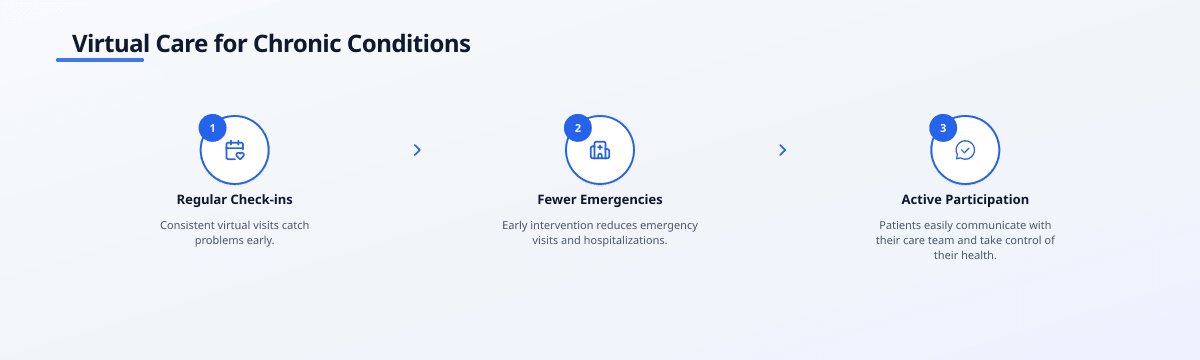
For people with chronic conditions, virtual care can be transformative. Regular check-ins mean problems are caught early, reducing emergency visits and hospitalizations. It also empowers patients to take an active role in their health, as they can easily communicate with their care team.
Moreover, virtual practices often have shorter wait times for appointments. In some cases, you can see a provider within minutes, rather than days. This is especially valuable when you are feeling unwell and want prompt advice.
How to Prepare for a Virtual Visit
To get the most out of your virtual appointment, preparation is key. Here are some practical tips to ensure a smooth experience:
- Check your technology: Test your internet connection, camera, and microphone before the visit. Close unnecessary apps to avoid interruptions.
- Gather your information: Have your insurance card, a list of current medications, and any relevant health records on hand.
- Write down your symptoms: Note when they started, how they feel, and any triggers or relief. This helps the provider make an accurate diagnosis.
- List your questions: Prepare a few things you want to discuss, such as medication side effects or lifestyle changes.
- Choose a private location: Find a quiet space where you can speak freely without being overheard.
During the visit, be honest and detailed about your concerns. The provider cannot touch you, so your description is their primary tool. If you have visible symptoms, like a rash or swelling, make sure the lighting is good and the camera can focus on the area.
After the visit, follow the provider's instructions carefully. If they recommend a lab test or a specialist, schedule it promptly. Use the patient portal to ask follow-up questions, and keep track of any new symptoms that arise.
Choosing the Right Online Clinic
Not all virtual medical practices are created equal. When selecting an online clinic, consider the following factors:
- Accreditation and licensing: Ensure the clinic is accredited by recognized bodies and that providers are licensed in your state.
- Range of services: Check if they offer the type of care you need, such as mental health or dermatology.
- Insurance and pricing: Verify that they accept your insurance or offer transparent self-pay rates.
- Provider credentials: Look for board-certified physicians, nurse practitioners, or physician assistants with relevant experience.
- Patient reviews: Read testimonials to gauge patient satisfaction and responsiveness.
You should also review the clinic's privacy policies. They must comply with HIPAA regulations, which protect your health information. A reputable practice will clearly explain how your data is stored and used.
Finally, consider the level of support available. Can you reach a human if you have technical issues? Is there a 24/7 nursing line? These details can make a big difference, especially if you need care outside of regular business hours.
Integrating Virtual Care into Your Healthcare Routine
Virtual tele health is not meant to replace all in-person care, but it can complement it effectively. Many people use online clinics as a first point of contact for minor ailments, while reserving in-person visits for annual physicals, imaging, or procedures. This hybrid approach gives you the best of both worlds.
For example, if you have a chronic condition like diabetes, you might have quarterly virtual check-ins with your endocrinologist and an annual in-person appointment for blood work and a physical exam. This reduces the burden of frequent travel while maintaining high-quality care.
Similarly, if you are moving to a new city, a virtual medical practice can provide continuity while you search for a local provider. You can keep your existing doctor online for a period, ensuring you do not miss any important follow-ups during the transition.
It is also worth noting that many insurance plans now include virtual care as a covered benefit. Check with your insurer to understand your copays and coverage limits. Some employers offer telehealth as part of their benefits package, which can be a valuable resource.
The Future of Virtual Medical Practice
The virtual medical practice is evolving rapidly. Advances in artificial intelligence, remote monitoring, and wearable technology are expanding what is possible. AI-powered symptom checkers can help you decide if you need a virtual visit or emergency care. Remote monitoring devices can detect early warning signs of complications, prompting proactive interventions.
As reimbursement policies become more favorable, more providers are likely to adopt virtual care. This means greater access for patients and more innovative treatment models. For example, some clinics are experimenting with asynchronous care, where you submit your symptoms and receive a treatment plan without a live video call. This can be even more convenient for certain conditions.
However, challenges remain. Digital divides and disparities in internet access can limit who benefits from virtual care. Providers are working to address these issues by offering phone consultations and expanding broadband access in underserved areas.
For now, virtual tele health is a powerful tool that puts your doctor online within reach. By understanding how online clinics work, you can take control of your health in a way that fits your lifestyle.
Whether you are managing a chronic condition, seeking a quick consultation for a cold, or simply want a more convenient way to connect with a healthcare provider, a virtual medical practice offers a practical solution. The key is to choose a reputable clinic, prepare thoroughly, and use this service wisely. With the right approach, you can enjoy high-quality care without the usual stress and delays.