
Top Rated Long Distance Movers: What to Expect
Learn what to realistically expect when hiring top rated long distance movers, from accurate quotes to final delivery, ensuring a smooth cross-country transition.

By Lauren Scott
Planning a long distance move is a monumental task, filled with excitement and a significant amount of stress. The sheer distance involved amplifies every logistical detail, from packing fragile heirlooms to transporting your vehicle across state lines. In this high-stakes scenario, hiring a top rated long distance moving company isn’t just a convenience, it’s a critical investment in the safety of your belongings and your own peace of mind. But what exactly should you expect when you engage the services of a highly-rated, professional moving team? The process involves far more than just loading a truck. Understanding the journey, from the initial quote to the final item being placed in your new home, is the key to a smooth transition and avoiding costly, stressful surprises.
The Hallmarks of a Top Rated Long Distance Moving Company
Not all moving companies are created equal, especially when it comes to crossing state lines. The best rated long distance movers distinguish themselves through a combination of credentials, processes, and customer-centric practices. First and foremost, they will be properly licensed. For interstate moves, this means having a USDOT number issued by the Federal Motor Carrier Safety Administration (FMCSA). You can and should verify this number on the FMCSA’s SAFER website to check their safety rating, insurance status, and any history of complaints. This is non-negotiable. Furthermore, top long distance moving companies carry adequate insurance. They should offer both released value protection (included at no extra cost but provides minimal coverage) and full value protection, which is more comprehensive. A reputable company will clearly explain these options and help you choose the right level of coverage for your possessions.
Transparency is another critical marker. A trustworthy mover will never give you a firm binding quote over the phone without a visual survey of your belongings. They will insist on an in-person or detailed virtual video survey to provide an accurate estimate. Be wary of quotes that seem unusually low compared to others, as this is a common tactic for later imposing hidden fees. The estimate itself should be detailed, outlining all potential charges, including packing materials, fuel, shuttle services if a large truck cannot access your home, and any long carry fees. The best companies also invest heavily in their personnel. Their crews are typically employed, not day laborers, and receive training in proper packing and handling techniques for a long distance move. This professional approach directly translates to the care your items receive.
The Step-by-Step Process with a Professional Mover
Once you’ve selected a top rated long distance mover, a structured process begins. Knowing what to expect at each stage demystifies the operation and allows you to prepare effectively.
Initial Consultation and The In-Home Survey
This is the foundation of your entire move. A moving consultant will visit your home (or conduct a thorough virtual tour) to inventory everything you plan to move. They are assessing volume, weight, special items (like pianos or artwork), and the overall complexity. This is your opportunity to ask detailed questions about their services, timelines, and insurance. Based on this survey, you will receive a written estimate. For long distance moves, this is often a binding estimate or a binding not-to-exceed estimate, which provides a cost ceiling, a crucial feature for budgeting. This document is your contract, so review it carefully before signing.
Pre-Move Preparation and Packing
In the weeks leading up to your move, your coordinator will be in touch to confirm dates and details. If you opt for professional packing, which is highly recommended for long distance moves to ensure claim validity, a skilled crew will arrive on the scheduled day. They will systematically pack your home using high-quality materials, creating a detailed inventory list as they go. Each box is numbered and its contents noted. This inventory is a vital document for tracking your items and filing any potential claims. If you are packing yourself, the mover will provide guidance on what can and cannot be shipped, and how to pack properly. Remember, for reducing moving stress and ensuring the safe transport of your most valuable belongings, investing in professional moving services for packing is often the wisest choice.
Loading, Transit, and Delivery
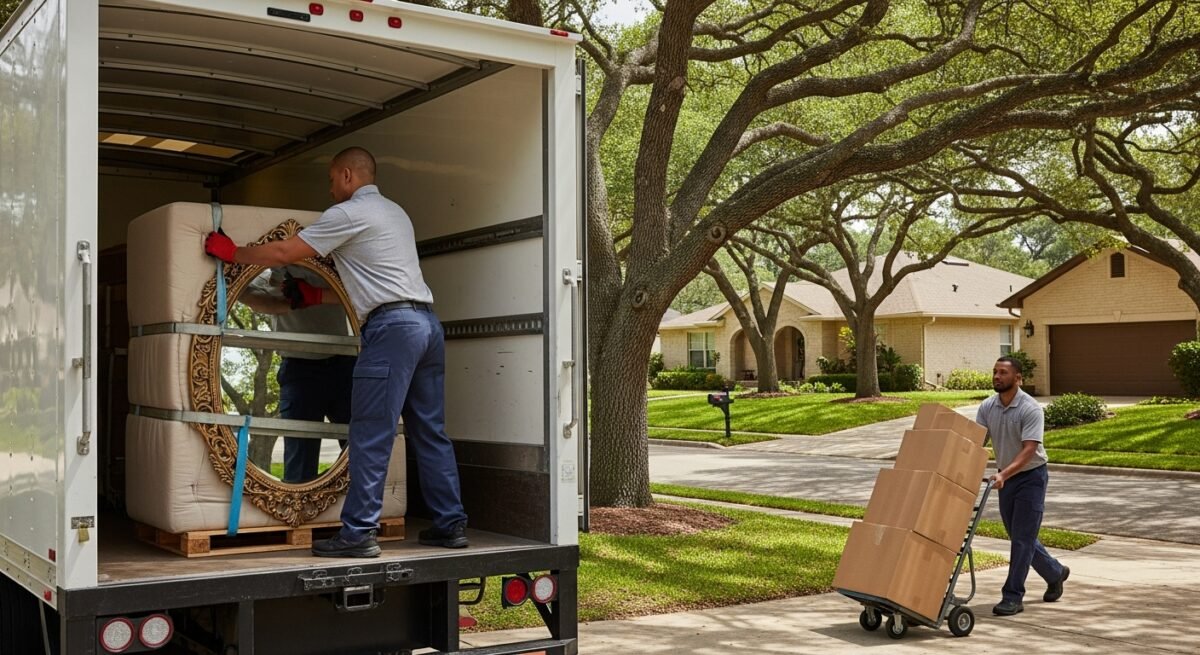
On moving day, the loading crew will arrive. A well-organized team will load the truck strategically, using pads, straps, and dollies to secure your household goods for a journey that could last several days or weeks. You will be asked to review and sign the inventory sheet, noting the condition of items. The driver will provide you with contact information and an estimated delivery window. During transit, you can typically track your shipment. Upon arrival at your new home, the delivery crew will unload, place boxes in the designated rooms, and reassemble basic furniture. You will again review the inventory as items are unloaded, noting any damage on the driver’s copy before you sign the delivery receipt.
Key Services and Realistic Timelines
Top long distance moving companies offer a suite of services beyond basic loading and hauling. Understanding these can help you plan a more efficient move. Full-service packing and unpacking is the most comprehensive option. Storage is another critical service. If your new home isn’t ready, many companies can place your shipment into a secure, climate-controlled warehouse until your delivery date. Vehicle shipping is commonly offered for transporting your car. Some movers also provide specialty crating for extremely fragile or high-value items like fine art or antiques.
Regarding timelines, realism is essential. Unlike a local move, a cross-country move involves complex logistics and driving regulations. The distance between your old and new home is the primary factor, but weather, road conditions, and driver scheduling also play a role. A move from coast to coast can take between 7 to 14 business days from load to delivery. Your mover should provide a realistic range, not a guaranteed single-day delivery. Clear communication about this window helps you plan your own travel and temporary living arrangements.
To manage your expectations and budget effectively, here are the most common fee structures and potential additional charges you should discuss upfront with your mover:
- Binding Estimate: The total cost is guaranteed based on the survey, provided nothing changes.
- Binding Not-to-Exceed Estimate: You pay the lower of the actual weight-based cost or the quoted estimate, offering cost protection.
- Additional Charges: Be aware of potential fees for long carries (if the truck parks far from your door), shuttle service (for narrow streets or communities with truck restrictions), stair carries, and elevator fees.
- Fuel Surcharges: These can fluctuate with diesel prices and should be explained in your contract.
Maximizing Your Experience and Avoiding Pitfalls
Your relationship with the mover is a partnership. Your preparation directly impacts the smoothness of the operation. Begin by decluttering ruthlessly. Moving items you no longer need increases cost and time. Create a “first-night” box with essentials like toiletries, medications, a change of clothes, and basic kitchen items. This box should travel with you, not on the truck. Clearly label any boxes you pack yourself with the room destination and a brief contents list. Communicate clearly with your move coordinator about any last-minute changes or concerns.
Be present on both loading and delivery days to oversee the process and sign documentation. The most common pitfalls stem from poor planning and choosing the wrong company. Avoid movers that demand large cash deposits, have no physical address, or use rental trucks. Always get everything in writing. If damage occurs, note it immediately on the driver’s inventory sheet at delivery. For hidden damage discovered after unpacking, you typically have a limited time (often 30 days) to file a claim with the mover in writing. Having a detailed inventory and photos of high-value items prior to the move strengthens your position. For a deeper dive into the evaluation process, our guide on how to choose the best long distance moving services breaks down the selection criteria in detail.
Frequently Asked Questions
How much does a long distance move typically cost?
Costs vary widely based on distance, weight, and services. A cross-country move for a 3-bedroom home can range from $5,000 to $12,000 or more. The only way to get an accurate price is through an in-home survey and a written estimate.
What is the difference between binding and non-binding estimates?
A binding estimate is a guaranteed price. A non-binding estimate is an approximation, and you pay for the actual weight and services, which can be higher. For long distance moves, a binding not-to-exceed estimate is highly recommended.
How long do I have to file a claim for damaged items?
Timeframes are strict, usually within 30 days of delivery for interstate moves. Report any damage to the driver at delivery and follow up immediately with a written claim to the company.
Should I tip the moving crew?
Tipping is customary and appreciated for good service, typically $50-$100 per crew member for a full day’s work, depending on the complexity of the move.
What items cannot be shipped on the moving truck?
Movers cannot transport hazardous materials (cleaning fluids, paints, propane tanks), perishable food, plants, pets, or personal documents like passports and cash. Plan to take these with you.
Engaging a top rated long distance mover transforms a potentially chaotic experience into a managed, professional project. By setting realistic expectations, understanding the process, and preparing your home and family, you can navigate this major life transition with significantly less anxiety. The right company doesn’t just move your boxes, they provide a framework of reliability and expertise that allows you to focus on the new beginning ahead.