
Telehealth vs In-Person Care: Which Is Right for You?
Telehealth offers convenience, but in-person care provides thorough evaluation. Learn which approach fits your health needs and lifestyle.

By Sarah Morris
When a health issue arises, the first question is often where to turn for care. Telehealth has grown from a niche convenience into a standard option, but in-person visits remain essential for many situations. The choice between the two is not always clear, especially when you are managing a busy schedule, a chronic condition, or a move to a new city. This guide breaks down the practical differences between telehealth and in-person care so you can make an informed decision that fits your health needs and your life.
Understanding the strengths and limitations of each care model is the first step. Telehealth offers immediate access for minor issues and follow-ups, while in-person care provides hands-on examination and diagnostic procedures. Your specific symptoms, medical history, and comfort with technology all play a role in the decision. By weighing these factors carefully, you can choose the option that offers the best outcome for your situation.
What Telehealth Offers in Modern Healthcare
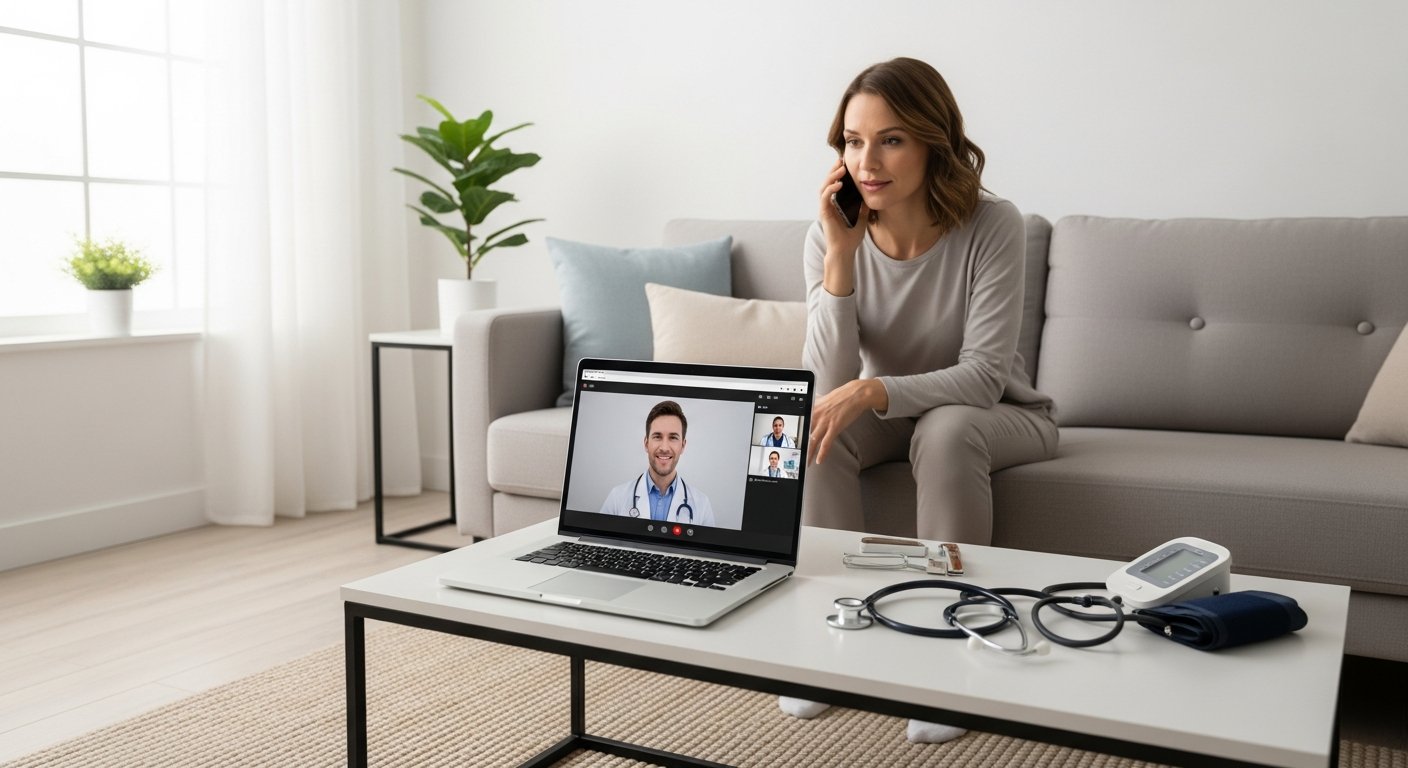
Telehealth, also known as virtual tele health, uses digital communication tools to connect patients with healthcare providers. This can include video consultations, phone appointments, secure messaging, and remote monitoring. For many routine concerns, virtual visits are a fast and effective way to receive medical advice without traveling to a clinic. The convenience is undeniable: no waiting rooms, no commute, and often more flexible scheduling options.
Beyond convenience, healthcare telehealth has expanded access to specialists who may not be available locally. If you live in a rural area or are relocating to a new region, virtual care can bridge the gap. It also supports continuity of care, allowing you to maintain a relationship with a provider you trust even after a move. Many patients find that follow-up appointments, medication management, and mental health therapy work exceptionally well in a virtual format.
However, telehealth is not a universal solution. Certain conditions require a physical examination, diagnostic imaging, or laboratory tests that cannot be performed remotely. In those cases, a virtual visit may only serve as a triage step, ultimately directing you to an in-person appointment. Recognizing these limits helps you avoid delays in receiving the care you need.
When In-Person Care Is Necessary
In-person care remains the gold standard for situations that demand direct interaction. If you are experiencing chest pain, severe abdominal pain, or any symptom that could indicate a medical emergency, you should seek immediate in-person attention. Similarly, injuries like fractures, deep cuts, or head trauma require physical assessment and often imaging. For chronic conditions that need regular monitoring, such as high blood pressure or diabetes, periodic in-person visits allow providers to adjust treatment plans based on objective measurements.
Certain procedures also require an office visit. Blood draws, vaccinations, and diagnostic tests like X-rays or MRIs must be conducted in a medical facility. Additionally, some specialists, such as dermatologists or ophthalmologists, rely heavily on visual or tactile examination. While telehealth can offer a preliminary look at skin lesions or eye redness, a definitive diagnosis often needs in-person evaluation. Your provider may also prefer an in-person visit for new patient intake to establish a baseline and build rapport.
Weighing the Pros and Cons of Each Approach
To decide between telehealth and in-person care, consider the nature of your health concern, your access to transportation, and your comfort with technology. Below is a breakdown of key advantages for each option.
- Telehealth advantages: lower cost for minor issues, no travel time, easier scheduling, and reduced exposure to contagious illnesses.
- Telehealth limitations: no physical exam, potential technology barriers, and limited ability to perform diagnostic tests.
- In-person advantages: comprehensive evaluation, immediate access to diagnostic tools, and personal connection with your provider.
- In-person limitations: higher cost, longer wait times, and the need to arrange transportation or time off work.
The table above highlights the trade-offs. For a simple sinus infection or a medication refill, telehealth may save you time and money. For a new lump or a persistent cough, an in-person visit provides greater certainty. Your decision should also account for your medical history. If you have multiple health conditions or take several medications, in-person care may be safer to ensure all factors are considered.
How to Choose Based on Your Health Needs
Start by assessing the severity of your symptoms. If you have a minor issue like a cold, rash, or mild allergy, telehealth is often sufficient. For chronic conditions that are well-controlled, virtual check-ins can replace some routine visits. However, if you experience new or worsening symptoms, or if you have a condition that requires regular monitoring, prioritize in-person care. Your provider can guide you, but you should also trust your instincts. When in doubt, err on the side of a physical visit.
Another factor is the type of care you need. Mental health counseling, for example, works well via video because it focuses on conversation and behavioral strategies. Physical therapy, on the other hand, requires hands-on guidance and is more effective in person. Similarly, follow-up appointments after surgery often need an in-person examination to check healing and remove stitches. Always ask your provider's office whether a virtual visit is appropriate for your specific concern.
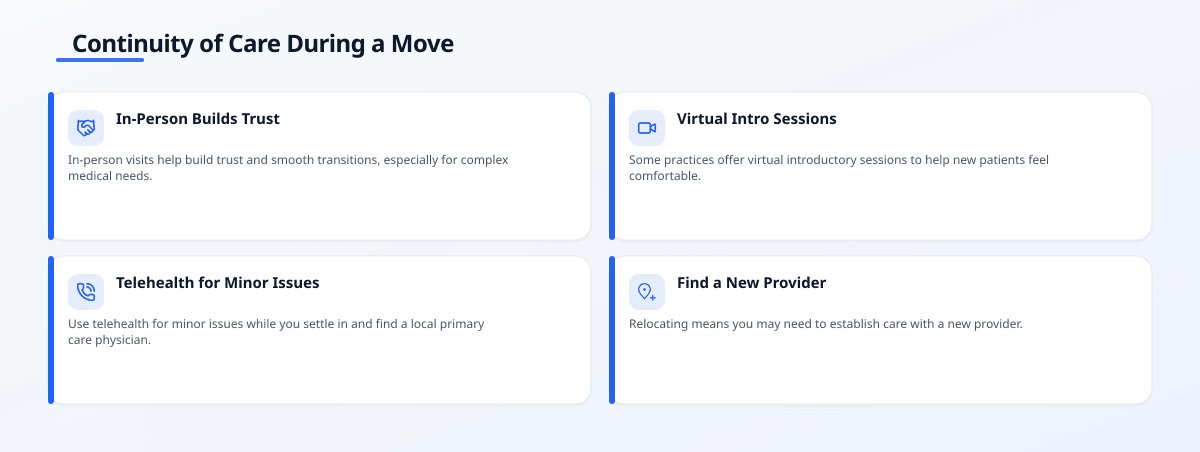
For those planning a move, continuity of care is a critical consideration. If you are relocating, you may need to establish care with a new provider. In-person visits can help build trust and ensure a smooth transition, especially if you have complex medical needs. Alternatively, some practices offer virtual introductory sessions to help new patients feel comfortable. As you settle into a new home, using telehealth for minor issues can give you time to find a local primary care physician.
The Role of Technology and Access in Your Decision
Technology is the backbone of telehealth, but not everyone has equal access. A reliable internet connection, a smartphone or computer, and the ability to navigate a video platform are necessary for a successful virtual visit. If you are not comfortable with technology, or if your connection is unstable, in-person care may be more practical. Many clinics offer phone appointments as an alternative, but these lack visual cues that can be important for diagnosis.
Privacy is another factor. Virtual visits require a quiet, private space where you can speak freely about your health. If you share a home or have limited privacy, finding a suitable location may be challenging. In-person visits offer a controlled environment where confidentiality is guaranteed. Additionally, some insurance plans have different copays for telehealth versus in-person visits, so compare your coverage to understand the financial impact.
For those who are tech-savvy, telehealth can be a powerful tool. It allows you to reach specialists across the country, which is particularly valuable for rare conditions. You can also use remote monitoring devices, such as blood pressure cuffs or glucose meters, to share real-time data with your provider. This approach, often called my telehealth, puts you in control of your health data and enables proactive management.
Practical Tips for Your Next Appointment
Once you decide on the care model, preparation is key. For a telehealth visit, test your equipment beforehand, join the appointment a few minutes early, and have a list of your symptoms and medications ready. For an in-person visit, bring your insurance card, a photo ID, and any relevant medical records. Write down questions in advance so you do not forget to address important concerns.
During the appointment, be honest and detailed about your symptoms. Describe when they started, what makes them better or worse, and any changes you have noticed. This information helps your provider make an accurate assessment, whether they are seeing you in person or through a screen. After the visit, follow any instructions carefully and schedule any recommended follow-ups, whether virtual or in-person.
If you are in the middle of a move, you may need to coordinate care across locations. Many providers offer patient portals where you can access your records and send messages. Before you relocate, ask for copies of your medical history or ensure your records are transferred to your new provider. This preparation prevents gaps in care and ensures that your new healthcare team has the information they need.
Blending Both Options for Optimal Care
The best approach often combines telehealth and in-person care. For example, you might use a virtual visit for a quick medication refill, then schedule an in-person annual physical. Or you might see a specialist in person for an initial evaluation, then use telehealth for follow-up appointments. This hybrid model maximizes convenience while maintaining quality. Many healthcare systems now offer integrated platforms that let you switch between virtual and in-person visits seamlessly.
As you navigate your healthcare options, keep in mind that remote care is not a replacement for emergency services. If you have symptoms that are severe, sudden, or potentially life-threatening, call 911 or go to the nearest emergency room immediately. Telehealth is best suited for non-urgent concerns, routine management, and follow-ups. By understanding its scope, you can use it effectively without compromising your safety.
For those who are relocating, choosing a care model also involves finding a new provider. In our guide on quality moving companies, we discuss how to select a reliable partner for your move. A similar approach applies to healthcare: research providers in your new area, check their telehealth options, and read reviews from other patients. This proactive step ensures you have access to care when you need it.
Making the Final Call
There is no single right answer to the telehealth versus in-person question. The best choice depends on your unique circumstances, including your health status, your location, and your personal preferences. By evaluating the pros and cons outlined here, you can make a decision that prioritizes your well-being. Remember that your provider is your best resource for guidance, so do not hesitate to ask for their recommendation.
Ultimately, the goal is to receive timely, effective care that meets your needs. Telehealth offers unprecedented convenience and access, while in-person care provides thorough evaluation and human connection. Both have their place in a modern healthcare system. By staying informed and flexible, you can navigate your health journey with confidence, whether you are sitting in a clinic room or connecting from your own couch.