
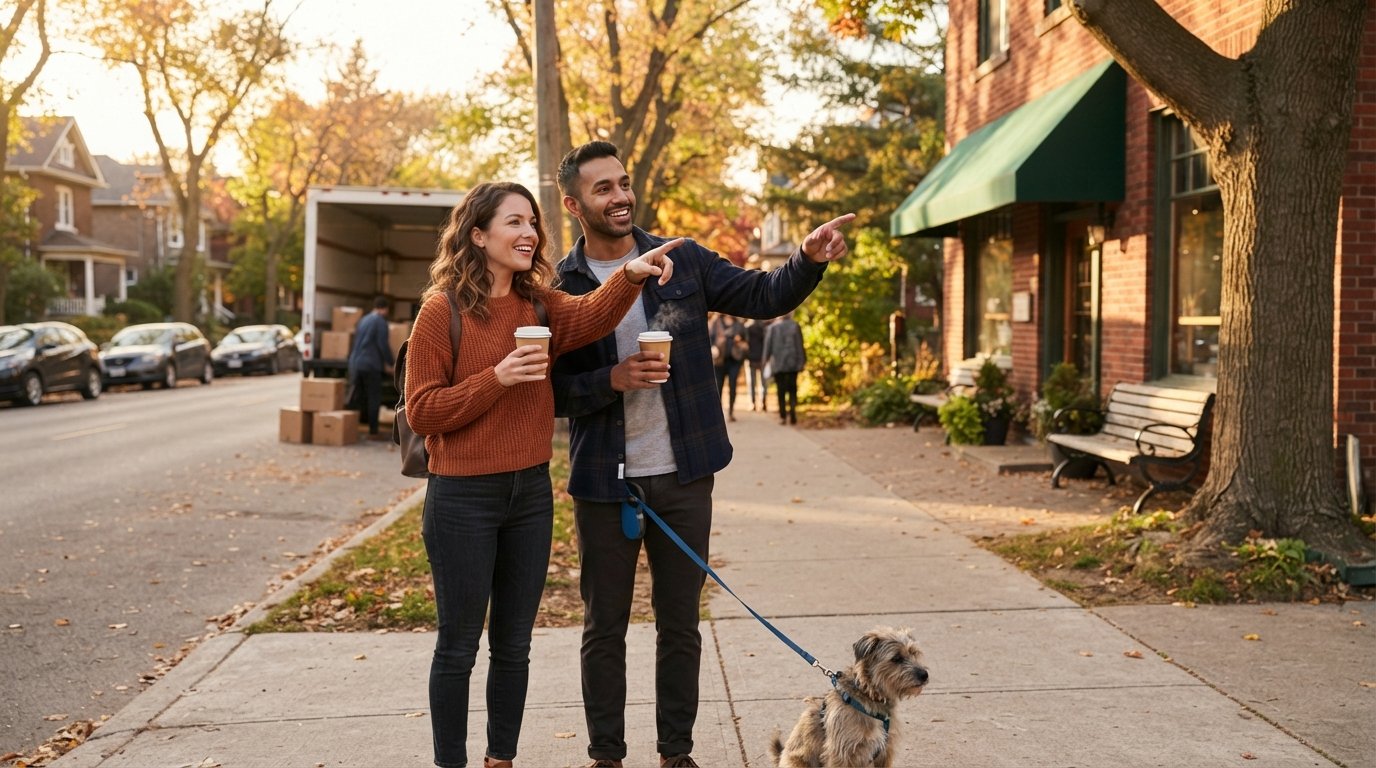
Settling In: 12 Tips for a New Neighborhood
Discover practical tips settling into new neighborhood life, from meeting neighbors to finding local gems, and turn your new address into a home.

By Eric Thompson
Moving day is over. The boxes are stacked, the furniture is placed, and the echo of an empty room is slowly replaced by the sound of your daily life. But feeling at home takes more than unpacking your last box. Truly settling into a new neighborhood requires intention, patience, and a willingness to step outside your front door. Whether you moved across town or across the country, the first few weeks set the tone for your entire experience. This guide offers practical, actionable tips settling into new neighborhood life, helping you build routines, find your people, and turn a house into a home.
Start with a Walkability Audit
Before you dive into decorating or organizing, take time to understand your immediate surroundings. A walkability audit is a simple yet powerful way to learn your new area. Walk in every direction from your front door, varying the time of day. Notice the morning coffee shop that opens at 6 a.m., the park bench that gets the afternoon sun, and the street that feels quiet at night but busy during rush hour. This is not just about getting your steps in; it is about mapping your new life.
During these walks, pay attention to practical details that will affect your daily comfort. Note the nearest grocery store, pharmacy, and public transit stop. Check for sidewalk conditions, street lighting, and crosswalks. If you have children or pets, look for safe routes to school or the nearest dog park. This reconnaissance will help you feel more confident and less anxious about navigating your new environment. It also gives you a mental map that makes future errands feel less daunting.
To make this audit more effective, consider a simple checklist. After your first few walks, you will have a clear picture of what your neighborhood offers and what you might need to travel for. This knowledge is the foundation for a smooth transition.
- Identify the closest grocery store, pharmacy, and bank.
- Find public transit stops, bike lanes, and major roads.
- Locate parks, playgrounds, or green spaces for relaxation.
- Note the nearest hospital, urgent care, or clinic.
- Check for laundry services, dry cleaners, and repair shops.
Once you have this information, you can plan your first week with confidence. Knowing where to buy milk or pick up a prescription eliminates small stresses that can compound during a move. You will also start to recognize familiar faces, which brings us to the next crucial step.
Introduce Yourself to Neighbors
In our digital age, it is tempting to rely on social media groups or neighborhood apps to connect. While those tools are valuable, nothing replaces a face-to-face introduction. A simple wave from the driveway, a smile while checking the mail, or a brief conversation at the bus stop can open doors. Introduce yourself with a friendly phrase like, "Hi, I just moved in a few doors down. I am getting to know the area." Most people are receptive and happy to share their favorite local spots.
Be proactive but respectful. You do not need to knock on every door in the first week. Start with the neighbors on either side of you and directly across the street. These are the people you will likely see most often. A short, positive interaction is enough to establish a friendly foundation. Exchange names and perhaps a phone number if you feel comfortable. This small connection can be invaluable for receiving packages, monitoring your home when you are away, or simply having a friendly chat on a tough day.
As you meet more people, you will start to hear the unofficial history of your block. They will tell you which contractors are reliable, which restaurants have the best takeout, and which streets to avoid during heavy rain. This oral knowledge is a treasure trove of local insight that no online review can fully replicate. Embrace it. In our guide on exploring a new neighborhood, we highlight how local relationships accelerate your sense of belonging.
Locate the Essentials: Food, Health, and Safety
Your walkability audit gives you the general layout, but now it is time to get specific. The first week is the perfect time to establish your essential services. This is not just about convenience; it is about peace of mind. Knowing exactly where to go for a prescription refill, a late-night snack, or an emergency matters. For families, this is even more critical. Identify a pediatrician, a family doctor, and a dentist. If you have a chronic condition, find the nearest pharmacy that carries your medication.
Food is a daily need, so make it a priority. Visit the local grocery stores and farmers markets. Compare prices, check the quality of produce, and see if they carry your preferred brands. If you have dietary restrictions, this is especially important. Building a relationship with your local butcher, baker, or produce stand owner can transform a chore into a pleasant interaction. Similarly, scope out a few takeout options for nights when cooking is the last thing you want to do. Knowing you have a reliable pizza place or Thai restaurant on speed dial makes the adjustment period easier.
Safety is non-negotiable. Locate the nearest police station, fire station, and urgent care facility. Program the non-emergency numbers into your phone. Find out if your neighborhood has a community watch program. Also, check the local government website for information on trash pickup, recycling rules, and parking permits. These logistics may seem mundane, but they are the mechanics of daily life. Getting them sorted early prevents frustration later. Additionally, it is wise to know your evacuation routes in case of natural disasters, especially if you moved to a region with different weather patterns than you are used to.
Establish Daily Routines
Routines are the scaffolding of a settled life. They provide structure and familiarity in an unfamiliar place. Start by identifying a few anchors for your day. This could be a morning walk to a local coffee shop, an evening jog in the park, or a weekly visit to the farmers market. These repeated actions create a rhythm that makes the neighborhood feel like yours. They also increase the likelihood of running into the same people, which naturally leads to deeper connections.
One of the most effective routines is to pick a "home base" outside your home. This could be a library, a café, a community center, or a gym. Go there at the same time a few days a week. Become a regular. The barista will learn your order, the librarian will reserve that book for you, and you will start to feel recognized. This sense of being known is a powerful antidote to the anonymity of a new city. It gives you a place to go when you need a change of scenery or want to work remotely without feeling isolated.
Your routines should also include practical tasks like checking the mail at the same time each day and taking out the trash on the correct evening. These small actions ground you in the weekly cycle of your new home. Over time, these routines will become second nature, and you will stop feeling like a visitor. You will know the best time to shop to avoid crowds, the fastest route to the highway, and the exact moment the streetlights flicker on. That is when you know you are settling in.
Explore Local Amenities and Hidden Gems
Every neighborhood has its official attractions and its hidden gems. The official ones are easy to find: the main shopping street, the big park, the community pool. The hidden gems require a little more digging. These are the small, quirky places that give a neighborhood its character. It might be a tiny bookshop with a cat, a taco stand with a line out the door, or a community garden tucked between apartment buildings. Finding these spots is part of the joy of exploring.
Use your first month to be a tourist in your own area. Visit the local museum, attend a community event, or take a class at the recreation center. Check the bulletin boards at the library or coffee shop for flyers about concerts, workshops, and meetups. Follow local social media accounts and hashtags to learn about pop-up events. This active exploration not only helps you discover what you love, but it also helps you learn what is available. You might find a weekly trivia night that becomes your favorite outing or a hiking group that gets you outside on weekends.
This exploration also serves a practical purpose. You will learn which businesses are reliable, which services are worth the money, and which ones to avoid. You will also start to understand the economic and social pulse of your area. For example, you might discover that the neighborhood has a strong arts scene but lacks a good hardware store. This knowledge helps you plan where to spend your time and money. It also gives you a sense of investment in the community. When you know the local barista by name and have a favorite hiking trail, you start to feel like you belong.
Manage Moving Stress and Expectations
Settling in is not always a smooth ride. It is completely normal to feel moments of loneliness, frustration, or doubt. Moving is a major life event, and it takes time to adjust. Give yourself permission to have bad days. Do not feel pressured to have everything perfect immediately. Unpack gradually, prioritize the rooms you use most, and let the rest wait. Your home does not need to be Instagram-ready in the first week. It needs to be functional and comfortable for you.
To reduce stress, keep a routine of self-care. This might mean cooking a familiar meal, calling a friend from your old town, or spending an evening with a good book. Physical activity is a powerful stress reliever, so continue with your exercise routine or start a new one. Also, be mindful of your expectations. It takes an average of several months to feel truly at home in a new place. Some people take even longer. Do not compare your timeline to others. Focus on making progress, not perfection.
If you are feeling overwhelmed, remember why you moved. Write down the top three reasons you chose this new neighborhood. Was it for a job, for better schools, for a quieter life? Revisit this list when you feel nostalgic for your old place. This reminder helps you stay grounded in your decision. Also, be kind to yourself about the logistical hurdles. Whether it is a delayed internet installation or a missing box, these are temporary issues. With each problem you solve, you build resilience and confidence. For professional help with unpacking or organizing, consider reaching out to local moving services to ease the burden.
Get Involved in Community Events
One of the fastest ways to feel connected is to participate in community life. Local events are designed to bring people together, and they are perfect for newcomers. Look for neighborhood block parties, holiday parades, farmers market openings, or concerts in the park. These events are low-pressure environments where you can mingle, have a good time, and meet people who share your interests. You do not need to know anyone to attend; just show up and be open to conversation.
Volunteering is another powerful way to integrate. Choose a cause that matters to you, whether it is a local food bank, an animal shelter, a school, or a community garden. Volunteering gives you a sense of purpose and provides a structured way to meet like-minded individuals. It also shows that you are invested in the well-being of your new community. Many lasting friendships have started over a shared task like planting trees or sorting donations.
If you have children, getting them involved is crucial. Enroll them in local sports, music lessons, or scouting. This not only helps them make friends, but it also connects you with other parents. Attend school events, join the PTA, or volunteer in the classroom. These activities create a social network that revolves around your children, which often becomes your own support system. For families, the transition is easier when everyone has a social anchor. By actively participating, you are not just living in a neighborhood; you are becoming part of its story.
Track Your New Home To-Do List
Finally, keep a running to-do list for your new home and neighborhood. This list will be your roadmap for the first few months. It should include both immediate tasks and longer-term projects. For example, you might need to register your car, change your address, or find a reliable plumber. You might also want to create a list of restaurants to try or parks to visit. This list keeps you organized and ensures you do not forget important steps in the settling process.
Break your list down into categories: Home Setup, Community Integration, and Local Logistics. Home Setup includes tasks like hanging curtains, setting up utilities, and finding a handyman. Community Integration includes attending events, volunteering, and meeting neighbors. Local Logistics includes updating your driver's license, registering to vote, and finding a new vet. Having a clear list reduces the mental load of remembering everything and gives you a sense of accomplishment as you check items off.
As you work through your list, you will naturally become more familiar with your surroundings. You will also identify what you still need to do. This process is not about rushing; it is about being intentional. Each completed task brings you one step closer to feeling fully settled. And as you check off the final item, you will realize that the house you moved into has become your home.
Settling into a new neighborhood is a gradual process, but it is also a rewarding one. By taking deliberate steps to explore, connect, and establish routines, you transform the unfamiliar into the familiar. You build a life that is rooted in your new community. Remember to be patient with yourself and to celebrate the small victories along the way. Before you know it, you will be the neighbor giving directions to someone else who just moved in, and you will feel a quiet pride in calling this place your own. FreeQuotes.Contractors