
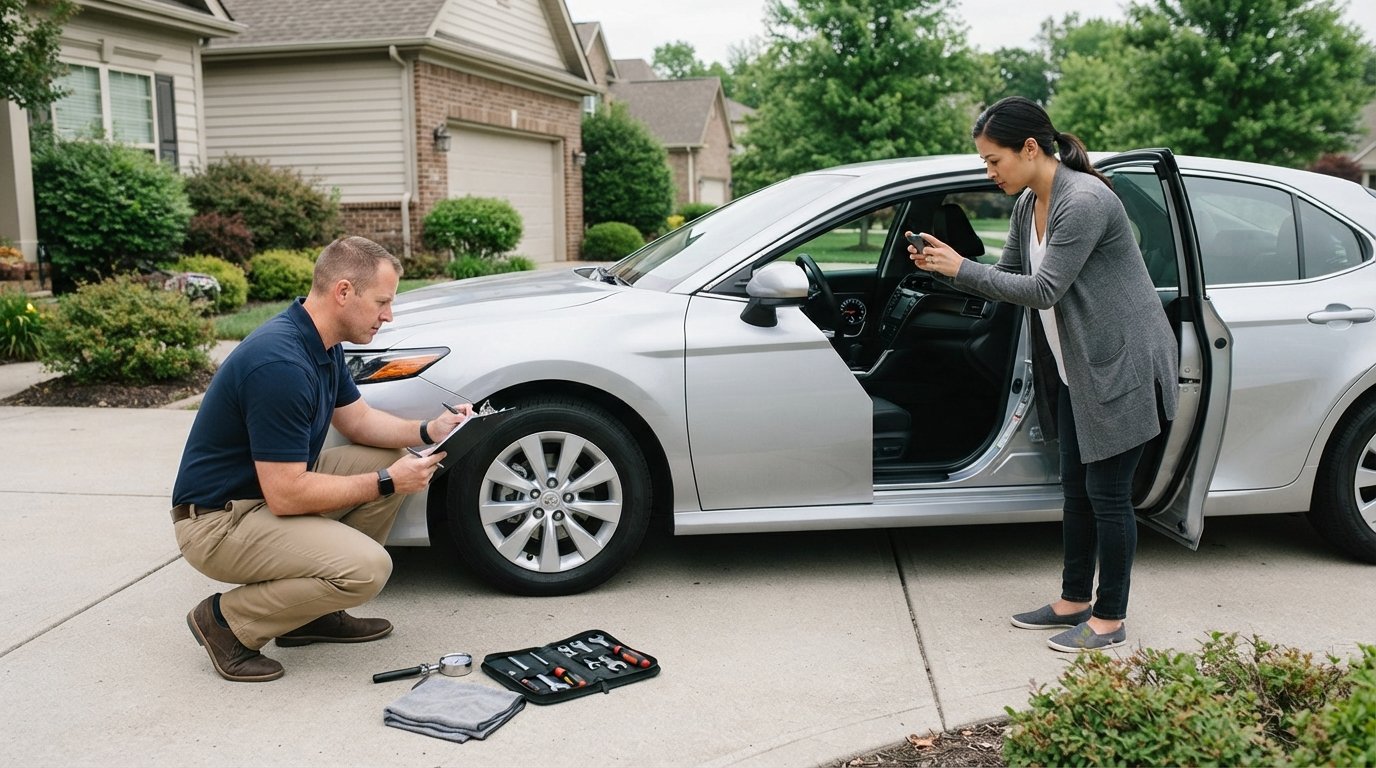
Pre Transport Vehicle Inspection Checklist Before Shipping a Car
A thorough pre transport vehicle inspection checklist before shipping a car prevents damage disputes and surprise fees. Call (833)-484-8675 for expert moving help.

By Olivia Johnson
Shipping a car is a significant logistical and financial commitment, and the condition of your vehicle at pickup sets the baseline for everything that follows. A thorough pre transport vehicle inspection checklist before shipping a car protects you from disputed damage claims, ensures your vehicle is road-ready for the carrier, and gives you peace of mind from the moment you hand over the keys. Whether you are relocating across the country, buying a car remotely, or moving overseas, the inspection you perform before the transporter arrives is your best evidence if something goes wrong. This guide walks you through every step, from fluid checks to photo documentation, so you can approach auto transport with confidence.
Why a Pre Transport Inspection Matters More Than You Think
Auto transport companies operate on tight schedules, and the pickup inspection is often rushed. If you have not documented your vehicle's condition beforehand, you may find yourself in a he-said-she-said dispute over a scratch, a cracked windshield, or a missing accessory. The Bill of Lading (BOL) that both you and the driver sign at pickup is a legally binding document, and any pre-existing damage noted on it becomes your responsibility, not the carrier's. A pre transport vehicle inspection checklist before shipping a car is not just a good habit; it is your primary defense against surprise bills and denied claims.
Beyond damage protection, a proper inspection ensures your vehicle is mechanically fit for transport. Carriers may refuse to load a vehicle with leaking fluids, severely underinflated tires, or a dead battery, and those last-minute problems can delay your shipment or incur extra fees. By checking fluids, tire pressure, and battery health in advance, you avoid costly roadside fixes and keep your move on schedule.
Finally, a pre transport inspection gives you a clear record of your car's condition for insurance purposes. Most auto transport carriers carry liability coverage, but that coverage only applies to damage that occurs during transit, not to pre-existing issues. If you can prove your car was in good condition at pickup, you are in a much stronger position to file a successful claim. For a broader look at documenting condition during a move, see our move out inspection checklist for renters, which shares similar documentation principles.
Fluids, Tire Pressure, and Battery: The Mechanical Pre-Check
Before you focus on cosmetic details, make sure your vehicle is mechanically sound enough to be loaded, transported, and unloaded without incident. Carriers expect vehicles to be in operating condition, meaning they can be driven onto and off the truck under their own power. A dead battery or a flat tire can halt the loading process and may result in additional fees or rescheduling.
Start by checking all essential fluids. Oil, coolant, brake fluid, power steering fluid, and windshield washer fluid should be at proper levels. Look for any signs of leaks under the vehicle; even a small oil leak can stain the carrier's deck and create liability issues. If you notice active leaks, have them repaired before the pickup date. Top off fluids as needed, but avoid overfilling, which can cause spills during transport.
Tire pressure is equally important. Properly inflated tires protect your wheels and suspension during loading and unloading, and they reduce the risk of a blowout if the carrier needs to move the vehicle short distances. Check the recommended pressure in your owner's manual or on the driver's side door jamb, and inflate all four tires (plus the spare, if accessible) to the correct level. Also inspect tread depth and look for nails, cuts, or bulges that could worsen during transit.
Battery health is often overlooked, but a weak battery can fail at the worst possible moment. Test your battery with a voltmeter or have it checked at an auto parts store. Clean any corrosion from the terminals and ensure the battery is securely mounted. If your battery is more than three years old and showing signs of weakness, consider replacing it before shipping. A reliable battery ensures your car can be started and moved as needed throughout the journey.
To keep your mechanical pre-check organized, follow this quick sequence:
- Check and top off all fluids (oil, coolant, brake, power steering, washer).
- Inspect for leaks and address any active drips.
- Test tire pressure and adjust to manufacturer specifications.
- Examine tires for damage and ensure the spare is usable.
- Test the battery and clean terminals if needed.
Once these basics are covered, you can move on to the documentation that will protect you throughout the shipping process. Remember that a professional moving company can also help you plan the broader logistics of your relocation; if you are coordinating a full household move alongside car shipping, you may want to explore contractor resources for home projects and moving coordination.
Photos and a Written Condition Report: Your Damage Claim Insurance
The single most effective way to protect yourself against damage claims is a comprehensive photo and video record of your vehicle's condition before it leaves your possession. This record serves as irrefutable evidence of pre-existing damage and helps the carrier's inspector accurately note your car's condition on the Bill of Lading. Without it, you have little recourse if a new scratch or dent appears during transit.
Begin by washing your car thoroughly. Dirt and grime can hide scratches, dents, and rust, and a clean surface makes photographic evidence much clearer. Once clean, park in a well-lit area, preferably outdoors on a sunny day or in a bright garage, and take photos from multiple angles. Capture the following:
- All four sides (front, rear, driver's side, passenger's side) at eye level.
- Close-ups of any existing scratches, dents, rust spots, or paint chips.
- The roof, hood, and trunk lid (common areas for hail or transport damage).
- All glass surfaces (windshield, windows, mirrors) for cracks or chips.
- Wheels and rims, including close-ups of any curb rash or bends.
- The interior (seats, dashboard, console) if you are shipping personal items or want a full record.
- The odometer reading, clearly visible.
- The VIN (vehicle identification number) on the dashboard or door jamb.
In addition to photos, create a written condition report. Note the date, time, location, and the names of anyone present. List any existing damage with specific descriptions (e.g., "2-inch scratch on rear bumper, driver's side, near license plate"). Include the odometer reading and fuel level. Sign and date the report, and keep a copy for your records. When the driver arrives for pickup, compare your report to the one they prepare on the Bill of Lading. If the driver notes damage you missed, add it to your report and take additional photos. Do not sign the BOL until you are satisfied that it accurately reflects your vehicle's condition.
This documentation process is similar to the one renters use during a move-out inspection, where photo evidence prevents deposit disputes. For a detailed walkthrough, refer to our move out inspection checklist for renters, which emphasizes the same principles of thorough documentation.
Personal Items and Toll Transponders: What to Remove Before Shipping
Auto transport carriers are not licensed to transport personal belongings, and leaving items in your car can create serious problems. For starters, most carriers prohibit personal items in vehicles for insurance and liability reasons. If your car is involved in an accident or damaged during transit, the carrier's insurance will not cover your belongings, and you may face additional fees for the extra weight. In some cases, carriers may refuse to load a vehicle that contains personal items.
Before the pickup date, remove all personal items from the vehicle, including:
- Electronics (phones, tablets, chargers, dash cams).
- Clothing, luggage, and bags.
- Documents (registration, insurance cards can stay, but remove anything personal).
- Loose change, sunglasses, and small accessories.
- Aftermarket accessories that are easily removable (phone mounts, air fresheners).
Toll transponders deserve special attention. If you leave an E-ZPass or similar device in your car, it may be scanned at toll plazas during transit, resulting in charges on your account. Worse, if the carrier uses a different route or the transponder malfunctions, you could face toll violations. Remove the transponder and store it safely; you can reinstall it after delivery. Also disable any automatic toll payment apps linked to your vehicle.
Finally, check your vehicle's registration and insurance. Most carriers require proof of insurance, and some states require the registration to be in the vehicle. Keep the registration and insurance cards in the glove compartment, but remove anything that could identify you personally (e.g., bills, mail). If you are shipping a car internationally, you may need additional documents, such as a customs declaration or a power of attorney. Consult your carrier for specific requirements.
Questions to Ask Your Auto Transport Provider About Inspection at Pickup
Not all auto transport companies follow the same inspection procedures, and the quality of the pickup inspection can vary widely. To protect your interests, ask your provider specific questions about how they handle the inspection process. Their answers will tell you a lot about their professionalism and help you prepare accordingly.
Start by asking who conducts the inspection and what documentation is used. A reputable carrier will have a standardized inspection form (often a detailed condition report) that the driver completes in your presence. Ask if you will receive a copy of the inspection report and if photos are taken. Some companies use digital inspection apps that timestamp and geotag photos, which adds a layer of reliability. If the carrier does not provide a copy, take your own photos and notes.
Next, inquire about the Bill of Lading. The BOL is the contract between you and the carrier, and it should list any pre-existing damage. Ask the driver to walk around the vehicle with you and note every imperfection, no matter how small. Do not let the driver rush this step; a thorough inspection benefits both parties. If the driver refuses to note damage you point out, insist or contact the dispatcher before signing. Remember, once you sign the BOL, you are acknowledging that the listed condition is accurate.
Other important questions include:
- What is your policy on pre-existing damage claims?
- How do you handle damage that occurs during transit?
- Are there any fees for inspection or documentation?
- What is the process for filing a claim after delivery?
Finally, ask about the delivery inspection. The same care you take at pickup should be applied at delivery. Before you sign the final BOL, inspect your vehicle thoroughly and compare its condition to your pickup photos and report. If you spot new damage, note it on the delivery receipt and file a claim immediately. Most carriers have a limited window for claims, so act quickly.
For a seamless auto transport experience, consider using a platform that connects you with vetted carriers. Moving.Homes can help you get free quotes from professional auto transport providers who prioritize thorough inspections and transparent communication. Their network includes carriers with guaranteed pricing and 24/7 customer support, so you can ship your car with confidence.
Putting It All Together: Your Step-by-Step Pre Transport Checklist
To make the process manageable, consolidate everything into a single checklist that you can work through in the days leading up to pickup. Here is a comprehensive sequence to follow:
- Schedule the inspection: Set aside time two to three days before the pickup date to perform the full inspection without rushing.
- Wash the vehicle: A clean car reveals damage and makes photos clearer.
- Check fluids and tires: Top off fluids, check for leaks, and inflate tires to the recommended pressure.
- Test the battery: Ensure it holds a charge and terminals are clean.
- Remove personal items and toll transponders: Clear the interior and disable toll accounts.
- Take photos and video: Capture all angles, close-ups of damage, the odometer, and the VIN.
- Create a written condition report: Document existing damage, date, time, and location.
- Review the Bill of Lading at pickup: Compare the driver's notes to your report and add any missing damage.
- Keep copies of all documents: Store photos, reports, and the BOL in a safe place (cloud backup is ideal).
- Inspect at delivery: Compare the vehicle's condition to your records before signing the final receipt.
Following this checklist not only protects you financially but also streamlines the entire shipping process. Carriers appreciate customers who are prepared, and a smooth pickup sets a positive tone for the journey. If you are coordinating a full relocation, you may also need to plan for packing and moving household goods; Moving.Homes offers resources and quotes for full-service moving, packing, and storage to complement your auto transport needs.
Remember that your pre transport vehicle inspection checklist before shipping a car is not a one-time task but an ongoing mindset. From the moment you book your carrier to the moment you receive your vehicle at its destination, stay vigilant about documentation and communication. With the right preparation, you can avoid the stress of damage disputes and enjoy a seamless auto shipping experience.