
Open vs Enclosed Car Transport: Which to Choose?
Deciding between open vs enclosed car transport? We break down costs, protection, and risk to help you choose the right method for your vehicle.

By Jason Adams
Shipping a car across the country often feels like a leap of faith. You have already trusted a moving company with your furniture, but your vehicle is different. It is a significant investment, and the thought of it sitting on an open trailer for hundreds of miles can be unsettling. The choice between open and enclosed transport comes down to a blend of budget, vehicle value, and your personal tolerance for risk. This guide breaks down the real differences so you can make a decision with clarity and confidence, whether you are relocating for work or moving a classic car to a new home.
Understanding Your Car Shipping Options
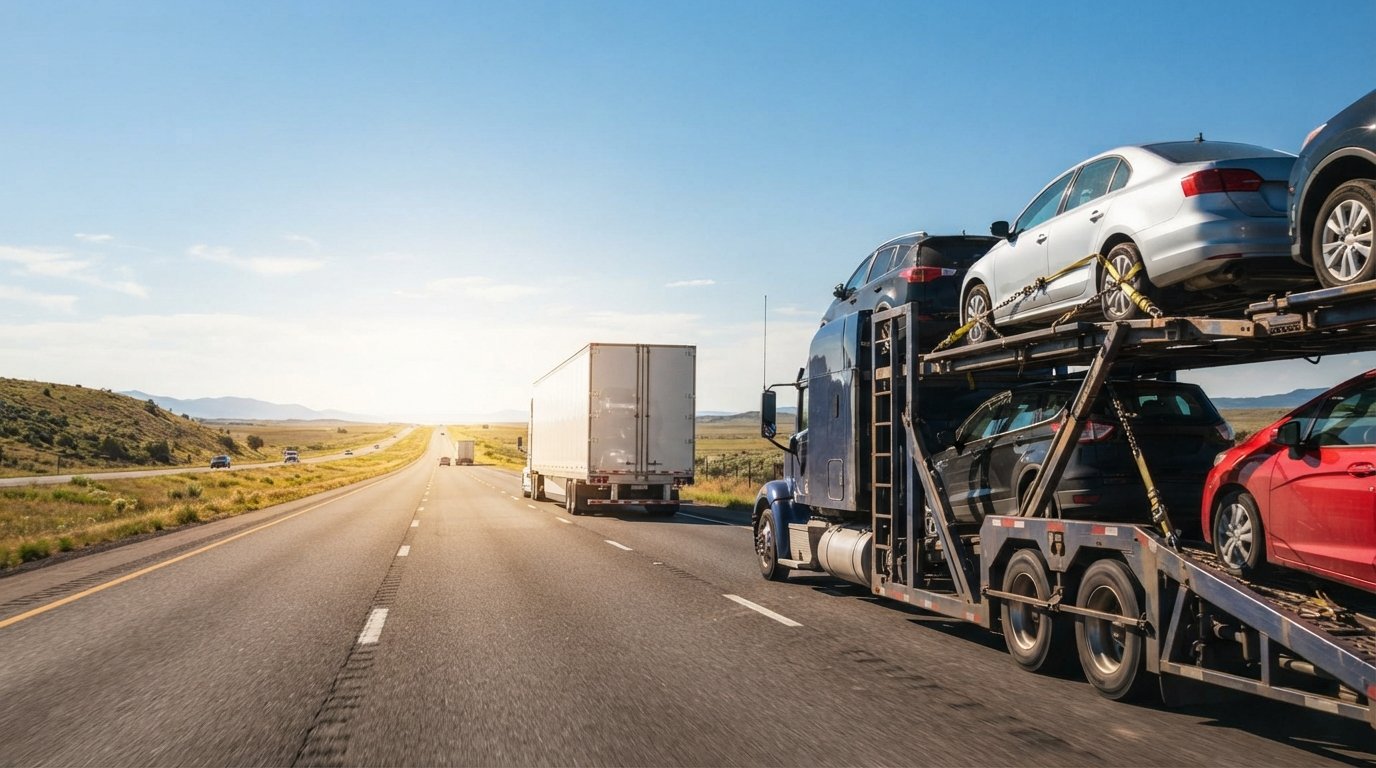
Before comparing costs and risks, it helps to understand what each method actually involves. Open transport is the industry standard. Your car is loaded onto a multi-level trailer that is exposed to the elements, just like the trucks you see carrying new cars from factories to dealerships. This method is efficient, widely available, and handles the vast majority of vehicle shipments every year.
Enclosed transport, on the other hand, places your vehicle inside a fully covered trailer. This trailer is typically a single-level, soft-sided or hard-sided unit that protects the car from weather, road debris, and prying eyes. It is the preferred choice for high-value, classic, exotic, or recently modified vehicles where even minor cosmetic damage would be unacceptable. The trade-off is a higher price tag and often a more limited schedule, as fewer carriers offer this service.
When planning a move that involves vehicle shipping, it is wise to align your transport choice with your overall relocation timeline. If you are coordinating a cross-country move, you will want a transport provider that can match your moving dates. For a detailed look at how the entire vehicle shipping process works, including booking and delivery, you can review our guide on how car transportation companies work.
The Core Differences: Cost, Protection, and Speed
The decision between open and enclosed transport hinges on three main factors: cost, protection, and availability. Understanding how each method stacks up in these areas will guide your choice.
- Cost: Open transport is significantly cheaper, often 30% to 50% less than enclosed. This is because open carriers can carry more vehicles at once and are more fuel-efficient.
- Protection: Enclosed transport offers superior protection from weather (hail, rain, sun), road debris (stones, gravel), and potential vandalism. Open transport leaves your car exposed to these elements.
- Availability: Open transport is more readily available and offers more flexible scheduling. Enclosed carriers are fewer in number, so you may need to book further in advance and work around a tighter route.
For most everyday vehicles, the cost savings of open transport outweigh the small risk of cosmetic damage. However, for a collector car or a brand-new luxury SUV, the peace of mind that comes with enclosed shipping is often worth the premium. It is not just about the physical protection; enclosed transport also offers better security, as the vehicle is not visible to the public during rest stops or overnight parking.
Another subtle difference is the handling and loading process. Enclosed trailers often use hydraulic lift gates that allow for a gentler, drive-on or winch-on loading, which is crucial for low-clearance sports cars. Open carriers typically use angled ramps, which can be steeper and may pose a scraping risk for lowered vehicles. If your car has been modified or sits unusually low, this is a critical practical consideration.
When Open Transport Makes Sense
Open transport is the default choice for a reason: it is practical and cost-effective. If you are shipping a standard sedan, a family SUV, or a daily driver, open transport is almost certainly the right call. The savings can be substantial, often several hundred dollars, which you can put toward other moving expenses. The risk of damage from road debris is low, and most minor chips or dings that might occur are typically covered by the carrier's insurance, though you should always verify the policy details.
Open transport also offers more routing flexibility. Because there are more open carriers on the road, you are more likely to find a carrier that can pick up and deliver within your desired window. This is particularly helpful if you are moving on a tight schedule. For drivers who simply need to get a reliable vehicle from point A to point B without the need for showroom condition upon delivery, open transport is the pragmatic and popular solution.
Consider this scenario: you are relocating for a new job and your 2018 Honda Accord needs to travel 1,500 miles. The car is in good condition with some minor wear. Paying an extra $500 to $800 for enclosed shipping would not increase the car's value or your satisfaction. Open transport delivers the same result for a fraction of the cost, and the minor risks are acceptable given the vehicle's age and condition.
When Enclosed Transport Is Worth the Premium
Enclosed transport is not just a luxury; it is a necessity for certain types of vehicles. If you are shipping a classic car that you have spent years restoring, a high-end sports car, or a luxury sedan that is less than a year old, the extra cost is a worthwhile investment. The protection from weather and road salt alone can prevent rust and corrosion that would be costly to repair. Moreover, the reduced risk of paint damage means you will not have to deal with the hassle of insurance claims or body shop visits after delivery.
Beyond physical protection, enclosed transport offers a higher level of service. These carriers often handle fewer vehicles, which means more personalized attention and a more flexible delivery process. You are also less likely to encounter the dreaded "multi-car shuffle," where your vehicle is moved between multiple trucks and terminals. For owners of exotic or irreplaceable vehicles, the peace of mind that comes with knowing your asset is shielded from the outside world is invaluable.
Let's say you are shipping a 1967 Shelby Mustang that has won awards at car shows. The car is not just transportation; it is a piece of art and a significant financial asset. A single scratch from a flying pebble could diminish its value by thousands of dollars. In this case, the extra $700 for enclosed transport is not an expense; it is a form of insurance that protects your investment and your passion.
Weighing the Risks and Insurance Considerations
Every car transport method carries some level of risk, and it is essential to understand the insurance coverage that protects you. With open transport, the primary risks are from road debris, minor weather events, and the occasional stone chip. Reputable carriers carry insurance that covers damage, but you will need to document any issues at the time of delivery. With enclosed transport, the risks are significantly reduced, but not eliminated. Accidents can still happen, and you should always inspect your vehicle thoroughly before signing off on delivery.
Before choosing a carrier, ask about their insurance policy. What is the deductible? Does it cover "diminished value" for a classic car? What is the claims process? A professional carrier will be happy to provide you with their insurance certificate and explain the coverage. It is also wise to take detailed photos of your vehicle before pickup, showing any existing damage, to have a clear record for comparison upon delivery.
For those who are moving to a new home and need to coordinate multiple logistics, it is helpful to think about your vehicle transport as part of the larger relocation puzzle. Just as you would get a guaranteed price from a moving company, you should seek a flat-rate quote from a transport broker that includes insurance. This upfront clarity helps you budget accurately and avoid surprise bills later.
How to Choose a Reliable Transport Provider
Selecting the right transport provider is just as important as choosing between open and enclosed methods. Not all carriers are created equal, and a bad experience can turn a simple shipment into a nightmare. Start by getting multiple quotes from different companies or brokers. Compare not just the price, but also the transit time, the deposit required, and the company's reputation. Look for reviews on independent platforms and check their rating with the Better Business Bureau. A reputable provider will have a physical address, a customer service line, and a clear contract.
When you receive a quote, ask about the specific trailer that will be used. For enclosed transport, ask if it is a soft-sided or hard-sided trailer. Hard-sided trailers offer more protection but are heavier and less fuel-efficient, which can affect cost. Also, confirm whether the quote is for door-to-door delivery or terminal-to-terminal. Door-to-door is more convenient but can be more expensive and may require a vehicle that can accommodate a large trailer. Terminal-to-terminal is often cheaper but requires you to drop off and pick up your car at designated locations.
Finally, be wary of quotes that seem too good to be true. Extremely low prices can be a red flag for unlicensed or unscrupulous operators. Always verify that the carrier is registered with the Federal Motor Carrier Safety Administration (FMCSA) and has a valid USDOT number. This registration is a basic sign of legitimacy and compliance with safety regulations. You can also use FMCSA's online tool to check a carrier's safety record and insurance status.
Making the Final Decision for Your Move
As you finalize your relocation plans, take a moment to step back and consider the bigger picture. The choice between open and enclosed car transport is not just about the vehicle; it is about your overall peace of mind during a stressful transition. If you are moving for a new job and your car is a reliable daily driver, open transport is the efficient, budget-friendly choice. If you are moving a prized possession that holds both financial and sentimental value, enclosed transport is the prudent investment.
Remember that the cheapest option is not always the best value, and the most expensive option is not always necessary. By honestly assessing your vehicle's worth, your budget, and your timeline, you can make a confident choice. And when you are ready to book, you can use a service like FreeQuotes.Contractors to compare rates from vetted transport companies, ensuring you get a fair price and reliable service. This platform connects you with professionals who can handle your specific needs, whether you choose open or enclosed shipping.
In the end, the right choice is the one that aligns with your priorities. For most drivers, open transport offers the perfect balance of economy and reliability. For the discerning owner of a classic or luxury vehicle, enclosed transport provides the ultimate protection. Whichever you select, the key is to work with a reputable provider, understand your insurance coverage, and document your vehicle's condition thoroughly. Then you can focus on the excitement of your new home, knowing your car will arrive safely.