
Moving With Pets Stress Free Tips for a Calm Relocation
Discover practical moving with pets stress free tips to calm your dog or cat, from pre-move planning to settling into your new home with ease.

By Jennifer Davis
Moving is often ranked among life's most stressful events, but for pet owners, the anxiety is doubled. Your dog or cat depends on you for comfort and safety, and the chaos of packing boxes, moving trucks, and unfamiliar spaces can leave them confused and frightened. Yet a smooth transition is absolutely possible. With thoughtful preparation, a consistent routine, and a few clever strategies, you can keep your furry companion calm and content from the first box to the final key turn. This guide delivers practical, actionable moving with pets stress free tips that protect your pet's well-being and your own peace of mind. From pre-move training to settling into your new home, you will find a clear path forward that reduces noise, fear, and disruption for everyone involved.
Plan Ahead: The Foundation of a Pet-Friendly Move
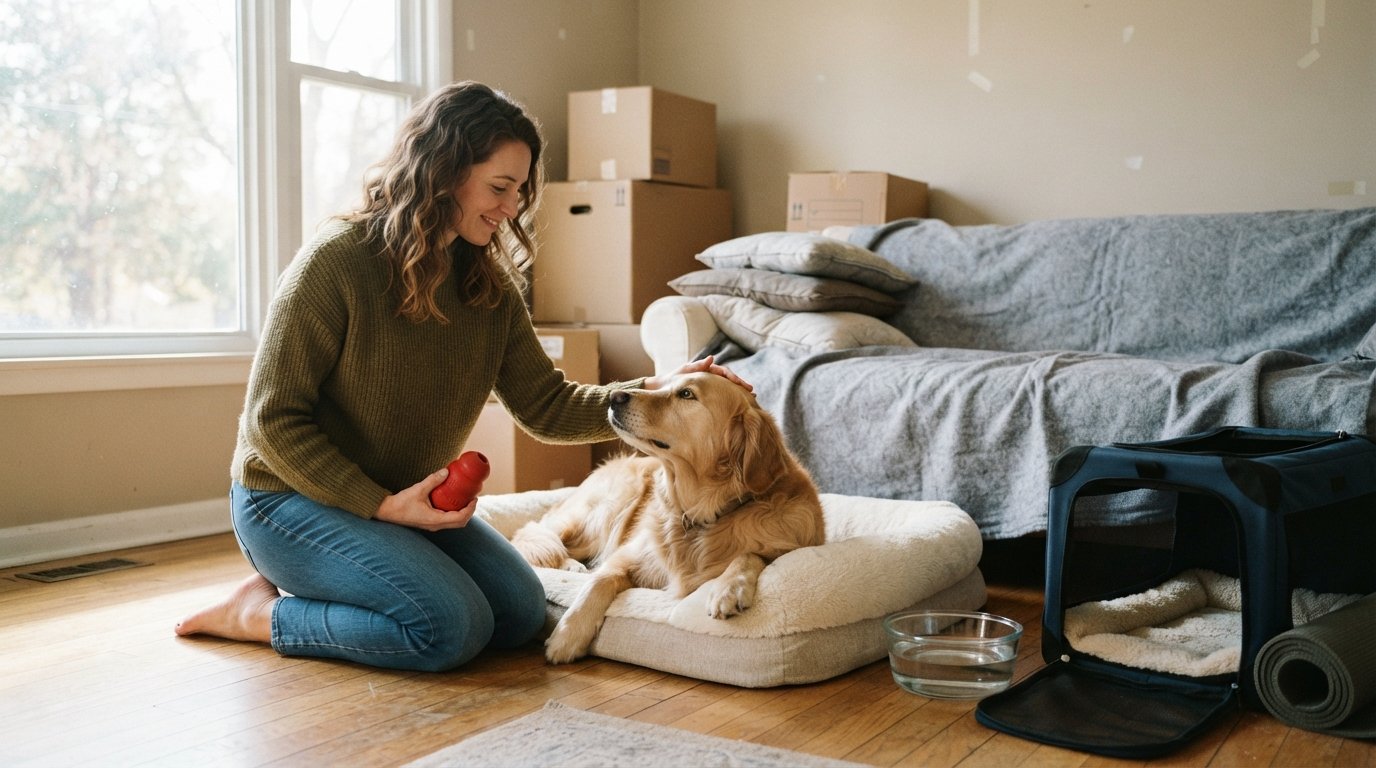
The single most effective way to reduce pet stress during a move is to start planning early, ideally three to four weeks before your relocation date. Pets thrive on predictability, and a sudden change in their environment can trigger anxiety, hiding, or even destructive behavior. By introducing changes gradually, you give your pet time to adjust to new sights, sounds, and routines. Begin by setting up a quiet, designated safe zone in your current home. This space should include their bed, favorite toys, food and water bowls, and a litter box or pee pads. Keep this area off-limits to movers and foot traffic, so your pet always has a retreat from the chaos.
In the weeks leading up to the move, maintain your pet's normal schedule as much as possible. Feed them at the same times, keep their walks consistent, and preserve playtime rituals. If you are moving to a new city or state, schedule a vet visit well before the move to update vaccinations, obtain health certificates, and discuss any anti-anxiety medications or natural calming supplements. Some pets benefit from pheromone diffusers or calming collars, which release synthetic hormones that mimic a mother's soothing scent. Ask your vet for a recommendation that fits your pet's specific temperament. Also, research pet-friendly hotels or boarding facilities along your route if you are undertaking a long-distance move, and confirm that your new home or apartment allows pets, including any breed or size restrictions.
Create a Calm Moving Day Strategy
Moving day itself is the most chaotic time for your pet. Boxes are everywhere, strangers are walking through your home, and the front door is constantly open. To keep your pet safe and calm, you need a clear strategy. Ideally, you should arrange for your pet to be away from the action. Ask a trusted friend, family member, or professional pet sitter to care for them for the day. This removes them from the noise and prevents them from slipping out an open door. If that is not possible, confine them to their safe zone with a closed door and a do not enter sign. Make sure the room is well-ventilated, has food and water, and includes their litter box or a pee pad. Place a familiar blanket over their crate or bed to muffle sounds and create a cozy den.
When movers are loading your belongings, keep your pet's carrier or crate securely closed. Even the calmest pet can bolt when frightened. Attach a tag to your pet's collar with your updated phone number and address, and consider microchipping if you have not already. This is a critical safety net, as one in three pets becomes lost during a move, and microchips dramatically increase the chances of a reunion. If you are driving to your new home, plan rest stops every two to three hours so your dog can stretch and relieve itself. For cats, keep them in a spacious carrier with a familiar towel, and never let them roam freely in the car, as they can interfere with the driver. Avoid feeding your pet a large meal within two hours of departure to prevent motion sickness, but always have fresh water available.
Prepare Your New Home Before Your Pet Arrives
Your new house will smell unfamiliar and look different, which can be overwhelming for a pet. Before you bring them inside, do a thorough sweep of the premises to ensure it is safe. Check all windows and screens, secure loose wires and cables, and ensure that any toxic plants, chemicals, or small objects are out of reach. Place a litter box in a quiet, low-traffic area, and set up your pet's bed, food bowls, and toys in a consistent spot, just as you had them in the old home. This familiar arrangement will help your pet orient themselves faster. If your new home has a yard, inspect the fence for gaps or weak points, and confirm that the gate latches securely.
When you first arrive, keep your pet on a leash or in a carrier until you are sure they are calm. Let them explore one room at a time, starting with a small, quiet space like a bathroom or bedroom. Spend time with them in that room, offering treats and gentle praise. Gradually open up the rest of the house over the course of a few hours or days, depending on your pet's confidence. Do not force interaction. Some pets need a full day to decompress, and that is normal. Provide plenty of vertical space for cats, such as cat trees or shelves, so they can observe from a safe height. For dogs, establish a new walking route and stick to a regular schedule as soon as possible. The sooner you reintroduce routine, the sooner your pet will feel secure.
Minimize Travel Stress During the Move
Travel is often the most physically and emotionally draining part of a move for pets. Whether you are driving across town or across the country, you can take steps to make the journey more comfortable. For car trips, use a well-ventilated carrier or a crash-tested pet seatbelt harness. This not only protects your pet in an accident but also prevents them from roaming and distracting you. Place a familiar blanket or t-shirt with your scent inside the carrier, and cover it partially with a light cloth to reduce visual stimulation. Keep the car temperature moderate and never leave your pet alone in a parked vehicle, as heatstroke can occur in minutes even with windows cracked.
If you are flying, you must plan carefully. Small pets can often travel in the cabin if they fit in an airline-approved carrier under the seat, but larger pets must go in the cargo hold. Cargo travel can be stressful and even dangerous, so it is best to avoid it unless absolutely necessary. If you must fly with a large dog, choose a direct flight, use a sturdy, well-ventilated crate with absorbent bedding, and attach a photo of your pet to the outside in case the crate gets lost. Consider a pet transport service that specializes in moving animals, but research their reputation thoroughly. For a cross-country move, many pet owners find it safer and calmer to drive, even if it takes longer. The key is to keep your pet's routine as normal as possible during the journey: feed them at regular times, offer water frequently, and take frequent potty breaks.
Help Your Pet Settle Into the New Neighborhood
Once you have unpacked the last box, your work is not done. Helping your pet adjust to their new neighborhood is a gradual process that requires patience and positive reinforcement. Start by taking your dog on short, leashed walks around the block. Let them sniff and explore at their own pace. This is how dogs learn about their environment and feel a sense of ownership. Reward calm behavior with treats and praise. For cats, keep them indoors for at least two to three weeks to prevent them from trying to return to your old home. When you do allow them outside, supervise them closely or use a harness and leash. Some cat owners install catios or secure enclosure systems to give their cats fresh air without the risk of escape.
During the first few weeks, watch for signs of stress in your pet. These can include excessive meowing or barking, hiding, loss of appetite, destructive chewing, or accidents in the house. These behaviors are common and usually subside as your pet becomes more familiar with their new surroundings. To accelerate the process, maintain a consistent feeding and exercise schedule, and spend extra time playing and cuddling. If your pet continues to show severe anxiety for more than a month, consult your veterinarian or a professional animal behaviorist. They can offer tailored strategies or therapies to help your pet thrive. Remember, your calm demeanor is contagious. If you treat the move as an adventure rather than a crisis, your pet will pick up on that energy and mirror it.
Use Professional Help to Reduce Your Own Stress
One of the biggest contributors to pet anxiety is your own stress level. When you are frazzled, your pet feels it. That is why using professional moving services can be a game changer. Hiring trained movers to handle the heavy lifting, packing, and unpacking frees you to focus on your pet's needs. Full-service moving companies can pack your entire home, which means you can spend the days before the move playing with your dog instead of wrestling with bubble wrap. They also have the equipment and expertise to move your belongings safely and efficiently, reducing the chance of damage that would cause you additional worry. Many moving companies offer packing and unpacking services, which you can tailor to your needs. You might choose to pack the kitchen yourself but let professionals handle the fragile items, or you might request a complete packing service so you can devote your energy to your family and pets.
When you partner with a reputable moving company, you also gain peace of mind through guaranteed pricing and professionally trained crews. This eliminates the surprise fees and unreliable service that often turn a move into a nightmare. Instead, you can relax knowing that your belongings are in good hands. This calm confidence directly benefits your pet, because you will be more patient, more present, and less likely to snap or rush. To find a trusted mover, take advantage of free quote services that connect you with pre-vetted local and long-distance movers. For example, FreeQuotes.Contractors is a digital marketplace that links homeowners with qualified contractors for various home improvement and moving-related projects, allowing you to compare options and secure the right help for your move. By offloading the physical labor, you can prioritize your pet's emotional well-being, which is the ultimate stress-free strategy.
Maintain Routines and Provide Extra Comfort
In the days and weeks after your move, consistency is your best ally. Animals are creatures of habit, and a predictable daily schedule helps them feel secure in a new environment. Try to feed your pet at the exact same times you did before the move, and take your dog for walks at the same times each day. Keep their sleeping arrangements the same, using the same bed and blankets from your old home. The familiar scent of these items will be incredibly comforting. Spend at least 15 minutes each day in devoted playtime, whether that is a game of fetch, a laser pointer chase, or a gentle grooming session. This focused attention strengthens your bond and reassures your pet that they are safe and loved.
You can also use environmental enrichment to keep your pet engaged and reduce anxiety. Interactive puzzle feeders, treat-dispensing toys, and scent games can distract a nervous pet and provide mental stimulation. For cats, create a window perch where they can watch birds and neighborhood activity. For dogs, consider a new toy or a long-lasting chew to keep them busy while you unpack. If your pet is particularly anxious, try playing calming music or using a white noise machine to mask unfamiliar sounds like traffic or neighbors. Some pets respond well to natural calming supplements such as L-theanine or chamomile, but always consult your vet before giving any supplement. In severe cases, your vet might prescribe an anti-anxiety medication to use temporarily during the transition period. With time, patience, and a lot of love, your pet will come to see your new house as home.
Final Thoughts on Moving With Pets
Moving with pets requires extra thought, but it is entirely manageable. The moving with pets stress free tips covered here, from early planning and a calm moving day strategy to gradual introductions and routine maintenance, will help your furry friend adjust to their new life with minimal tears. Remember that your pet looks to you for cues, so your own calm, organized approach is the most powerful tool you have. If you feel overwhelmed, lean on professionals: movers, pet sitters, and even your veterinarian are there to help. In our guide on home packing services for a stress free move, we explain how delegating the packing can dramatically lower your overall stress, which in turn benefits your pet. Soon enough, your dog will be happily exploring the new backyard, and your cat will have claimed the sunniest windowsill. That is the moment you know you have succeeded: your pet is not just relocated, they are home.