

Move-In Cost Assistance: Programs and Resources That Help
Explore move-in cost assistance programs and resources to reduce upfront moving expenses, including government aid, nonprofit grants, and employer benefits.

By Olivia Johnson
Moving into a new home is an exciting milestone, but the upfront costs can quickly turn that excitement into stress. Between the security deposit, first month's rent, utility hookups, and hiring movers, the total can easily reach thousands of dollars. If you are wondering how to cover these expenses, you are not alone. Fortunately, move-in cost assistance programs and resources exist to help individuals and families bridge the financial gap. This guide explores the most effective options available, from government grants to nonprofit aid and employer benefits, so you can plan your move with confidence.
Understanding the True Cost of Moving In
Before you can find the right assistance, it helps to know what you are up against. Move-in costs typically include the security deposit, which is often one to two months' rent, plus the first month's rent upfront. You may also need to pay for a credit check fee, utility deposits, and rental insurance. If you are moving long distance, the cost of professional movers or a rental truck adds another significant layer. For families, there may be additional expenses like school supplies, new furniture, or appliance installation.
Many people underestimate these expenses and find themselves short when the moving day arrives. That is why it is crucial to research places that help with move in cost early in the process. Assistance programs are designed to fill this gap, but they often have specific eligibility requirements and application windows. By understanding your total financial picture, you can target the resources that will provide the most relief.
Government-Funded Move-In Assistance Programs
Local, state, and federal agencies offer several programs aimed at preventing homelessness and promoting housing stability. These are often the first places to look because they can cover a substantial portion of your move-in costs. The Department of Housing and Urban Development (HUD) funds many of these initiatives, but they are administered locally, so the availability and amounts vary by city and county.
One of the most common is the Emergency Solutions Grant (ESG) program, which provides short-term rental assistance and security deposit help for households at risk of eviction or homelessness. Another option is the Temporary Assistance for Needy Families (TANF) program, which can offer one-time payments for housing-related expenses if you qualify based on income and family composition. Additionally, some states have their own rental assistance programs, such as California's Housing and Disability Advocacy Program or New York's Family Eviction Prevention Supplement.
How to Apply for Government Assistance
The application process varies, but you will typically need to provide proof of income, identification, and a letter explaining your need. You may also need to demonstrate that you have a lease or a rental agreement in hand. Here are the steps to follow:
- Contact your local housing authority or Department of Social Services to ask about available programs.
- Gather your documents, including pay stubs, bank statements, and your lease.
- Complete the application form and provide any additional requested information.
- Follow up regularly to check the status of your application.
Because these programs often have limited funding, apply as soon as you know you will be moving. Waiting until the last minute can result in missed opportunities. Also, keep in mind that some programs provide direct payment to your landlord, while others reimburse you after you move.
Nonprofit Organizations That Offer Relocation Aid
If government assistance is not enough or you do not qualify, many nonprofit organizations focus specifically on housing stability. These groups often have more flexible criteria and can provide immediate help with move-in costs. For example, the Salvation Army offers emergency assistance that can cover deposits and utility bills in certain locations. Catholic Charities and other faith-based organizations also run rental assistance programs in many communities.
Another valuable resource is the United Way, which operates a 2-1-1 helpline that connects callers to local assistance programs. You can also search for community action agencies in your area, as these federally funded nonprofits often distribute emergency funds. Some organizations, like Modest Needs, provide one-time grants to individuals facing a financial crisis, including moving expenses. When you are exploring places that help with move in cost, these nonprofits can be a lifeline.
What to Expect When Working With Nonprofits
Nonprofit assistance is typically designed to be a safety net, not a long-term solution. You will likely need to demonstrate a genuine need and may be asked to participate in financial counseling or budgeting workshops. Many organizations also require that you have a lease agreement and that the move is essential, such as escaping an unsafe living situation or preventing eviction. The amount of aid can range from a few hundred dollars to a full month's rent, depending on the organization's resources.
To increase your chances of success, apply to multiple organizations simultaneously and be prepared to explain your situation clearly. It is also wise to ask about any documentation they require, such as a letter from your landlord or proof of income. Some nonprofits can process applications within a week, while others may take longer, so patience and persistence are key.
Employer Relocation Packages and Flexible Benefits
If you are moving for a new job or a transfer, your employer may offer relocation assistance as part of your compensation package. These benefits can include a lump-sum payment to cover move-in costs, reimbursement for moving expenses, or direct payment to a moving company. Even if your employer does not have a formal relocation policy, you can negotiate for a moving allowance or an advance on your salary to ease the financial burden.
Beyond traditional relocation packages, some companies offer flexible spending accounts (FSAs) or health savings accounts (HSAs) that can be used for certain moving expenses if they are deemed medically necessary. Additionally, your employer might partner with a moving service like Moving.Homes to provide discounted rates for employees. It is always worth asking your HR department about any available resources, as they may have arrangements that are not widely advertised.
Negotiating a Better Moving Deal
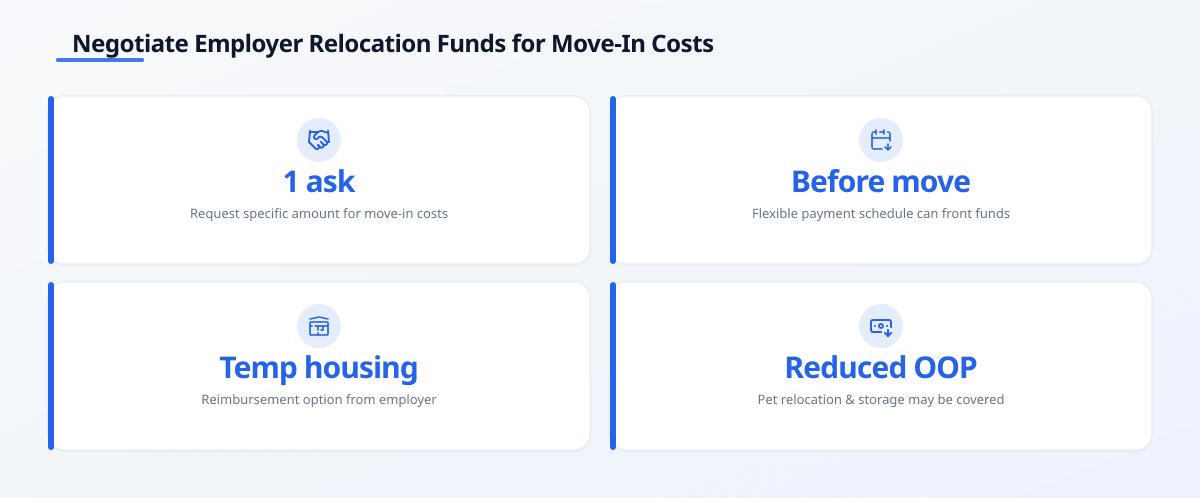
When discussing relocation with your employer, focus on the value you bring to the company. Prepare a budget that outlines your expected move-in costs and request a specific amount. You can also ask for a flexible payment schedule, such as receiving the relocation funds before your move date rather than after. Some employers will reimburse you for temporary housing, storage, or even pet relocation, which can significantly reduce your out-of-pocket expenses.
If your employer does not offer any assistance, consider asking for a signing bonus or a one-time housing stipend. Even a modest amount can make a difference when you are facing a security deposit and first month's rent. Remember that negotiating is a normal part of the hiring process, and many companies are willing to work with you if you present a clear case.
Specialized Move-In Assistance for Renters and Families
Renters often face the steepest hurdles because they must pay multiple upfront fees. To address this, many cities have created renter-focused assistance programs. For example, New York City's Homebase program provides free counseling and financial assistance to help tenants secure or maintain housing. Similarly, Los Angeles has several local initiatives that offer deposit assistance to low-income renters.
Families with children may qualify for additional support through programs like Head Start, which can connect them to housing resources, or Temporary Assistance for Needy Families (TANF) emergency payments. Single parents, veterans, and survivors of domestic violence also have access to specialized aid. Organizations like the National Alliance to End Homelessness maintain directories of local programs, making it easier to find help in your area.
If you are a senior citizen or have a disability, area agencies on aging can provide guidance on move-in assistance and home modification grants. These programs are designed to help you age in place or transition to a more accessible home without financial strain.
Practical Tips for Reducing Move-In Costs
While assistance programs can cover a portion of your expenses, you can also take steps to lower the total amount you need. One of the most effective strategies is to negotiate with your landlord. Some property managers are willing to waive the security deposit or allow you to pay it in installments, especially if you have a good rental history. You can also ask for a move-in special, such as one month free or a reduced deposit.
Another way to save is by comparing quotes from moving companies. Moving.Homes offers guaranteed pricing and a free quote process, which helps you avoid unexpected fees. You can also reduce costs by decluttering before you move, as fewer items mean a lower weight and less labor. Packing your own belongings is another way to save, though using professional packing services can save you time and protect your valuables.
- Request a detailed written estimate from at least three moving companies.
- Consider moving during off-peak times, such as weekdays or mid-month, for lower rates.
- Use free or low-cost packing supplies from local businesses or online marketplaces.
- Ask your utility providers about deposit waivers for new customers.
These small steps can add up to significant savings, making it easier to afford the move even without external assistance. For a comprehensive walkthrough of the financial side of moving, our guide on move-in cost assistance programs and resources offers deeper insights and links to specific tools.
Creating a Move-In Budget That Works
Once you have identified your funding sources, the next step is to create a realistic budget. Start by listing all your expected move-in expenses, including rent, deposit, moving company fees, utility setup costs, and any immediate purchases like groceries or cleaning supplies. Then, subtract any assistance you will receive to determine how much you need to cover on your own.
It is wise to have a contingency fund for unexpected expenses, such as a last-minute storage rental or a higher-than-estimated security deposit. Financial advisors recommend setting aside at least 5% of your total move-in budget for emergencies. By planning ahead, you can avoid resorting to high-interest loans or credit cards, which can create long-term debt.
If you find that you are still short, consider a side gig or selling unused items to generate extra cash. Many people successfully fund their move by selling furniture or clothing they no longer need. Online marketplaces and consignment shops are convenient ways to turn items into money.
Final Thoughts on Securing Move-In Help
Moving does not have to break the bank. With the right combination of move-in cost assistance programs and resources, you can reduce your financial stress and focus on settling into your new home. Start by researching government and nonprofit aid, then explore employer benefits and negotiate with your landlord. Finally, create a detailed budget and look for ways to cut costs on your moving services.
Remember, the key is to start early and apply to multiple sources. The more proactive you are, the better your chances of securing the help you need. Moving.Homes is here to support you with free quotes and professional moving services, ensuring that your relocation is as smooth and affordable as possible. Take the first step today by reaching out to your local assistance programs and planning your move with confidence.