
Making Friends in a New City After Relocating: A 2026 Guide
Making friends in a new city after relocating is easier with a plan. Discover practical steps to build a social circle and make your new city feel like home.

By Brandon Hall
Moving to a new city is an exciting chapter, but the silence of an empty apartment can feel overwhelming once the boxes are unpacked. You have mastered the logistics of relocation, yet the hardest part often begins after the truck drives away: building a social circle from scratch. Whether you moved for a job, a relationship, or a fresh start, making friends in a new city after relocating requires strategy, patience, and a willingness to step outside your comfort zone.
The good news is that thousands of people navigate this exact transition every day. With the right approach, you can turn a strange zip code into a genuine home. This guide walks you through practical, actionable steps to meet people, build meaningful connections, and create a support network that makes your new city feel like yours.
Start With Your Immediate Environment
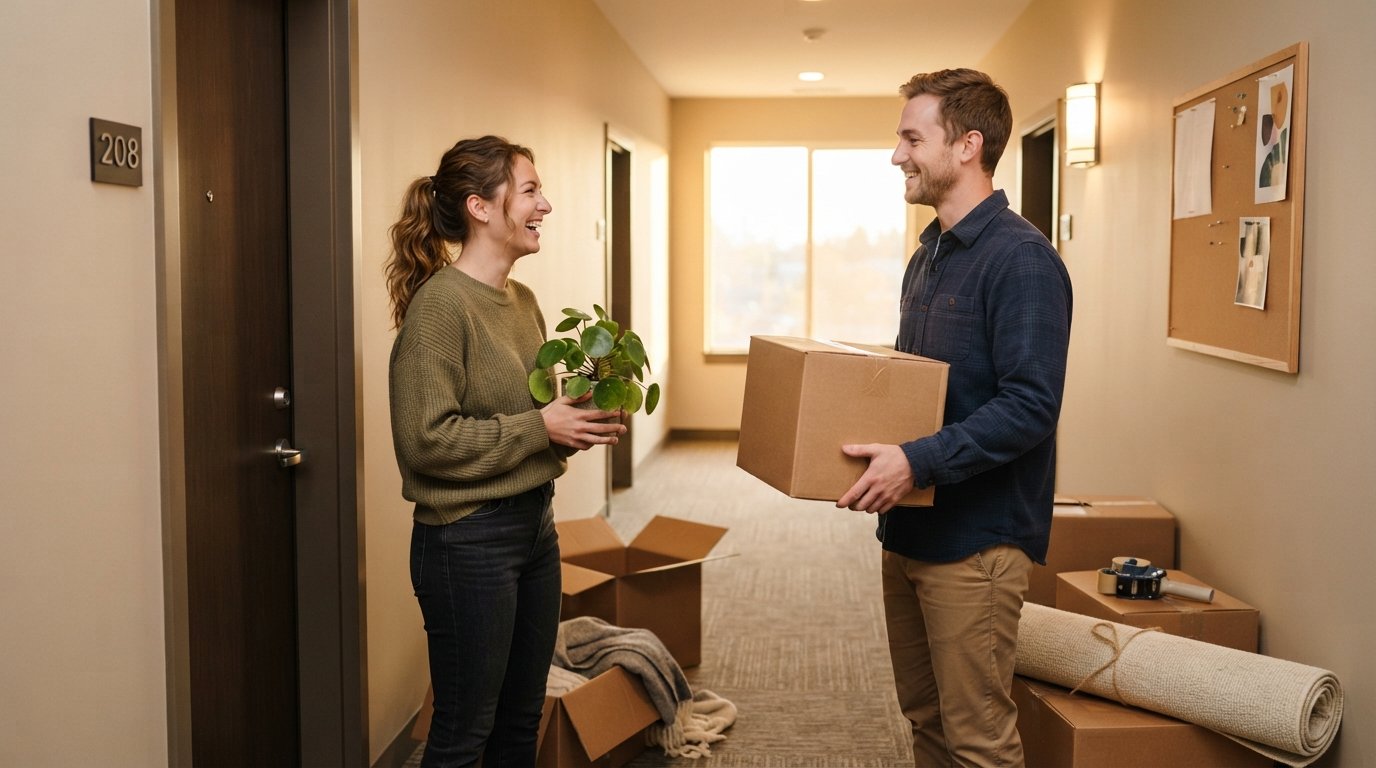
Before you dive into meetups and networking events, look at the people already around you. Your neighbors, building staff, and local shop owners are the first layer of your new social ecosystem. A simple hello in the hallway or a friendly comment at the coffee shop can spark a conversation. These micro-interactions may seem small, but they build familiarity and open doors to deeper connections over time.
If you live in an apartment complex, check for community bulletin boards or resident Facebook groups. Many buildings host social events like trivia nights, potlucks, or fitness classes. Attending even one of these gatherings signals that you are open to connection. Do not underestimate the power of being a regular at a local cafe or gym. Seeing the same faces repeatedly creates a natural bridge to conversation. When you are planning your move, a solid move out checklist for tenants before relocating can help you leave your old place smoothly, freeing up mental energy to focus on your new social life.
Leverage Shared Interests and Hobbies
The fastest way to make friends as an adult is to put yourself in rooms with people who already share your passions. Think about what you enjoy doing, whether it is hiking, painting, board games, or cooking. Then find groups in your new city that revolve around those activities. Websites like Meetup, Eventbrite, and Facebook Groups are goldmines for local hobby communities. You can also check community centers, libraries, and local recreation departments for classes and clubs.
Here are a few high-impact ways to connect through interests:
- Join a recreational sports league (kickball, soccer, volleyball) that prioritizes fun over competition.
- Sign up for a workshop or class in something you have always wanted to learn, like pottery or salsa dancing.
- Volunteer for a cause you care about, such as animal rescue, food banks, or environmental cleanups.
- Attend local book clubs or writing groups at independent bookstores.
- Participate in community gardening or neighborhood improvement projects.
These settings provide built-in conversation starters and repeated interactions, which are essential for forming friendships. When you see the same people week after week, you move from strangers to acquaintances to friends naturally. The key is consistency. Pick one or two activities and commit to showing up regularly, even when you feel shy or tired.
Use Technology Strategically
Digital tools can accelerate your social life if you use them with intention. Beyond Meetup, apps like Bumble BFF and Peanut (for moms) are designed specifically for platonic friendship. You can also join local subreddits or Discord servers for your city. These online spaces often host in-person meetups and provide a low-pressure way to test the waters before committing to an event.
However, technology is only a bridge. The real magic happens when you transition from chatting online to meeting face-to-face. If you connect with someone on an app, suggest a casual coffee or a walk in a park within the first week. Keep the first meeting short and low-stakes. A 45-minute coffee gives you both an easy exit if the chemistry is not there, but it also opens the door to a second, longer hangout if you click.
Be a Regular at Local Spots
One of the most underrated strategies for making friends in a new city after relocating is to become a familiar face at a few local establishments. Choose a coffee shop, a bar, a gym, or a park near your home and visit at the same times each week. Bartenders, baristas, and fellow regulars will start to recognize you. A simple, "How has your week been?" can evolve into a real conversation.
This approach works because it mimics the natural social rhythms of small towns, where people see each other daily. In a big city, you have to manufacture those moments. Pick three places within walking distance and make them your spots. Over time, you will build a sense of belonging and may even get invited to informal gatherings or events.
Say Yes to Invitations (Even When You Are Tired)
When you are new, every invitation is a seed. A coworker asks you to grab happy hour drinks. A neighbor invites you to a backyard barbecue. A member of your hiking group suggests a weekend trip. Your instinct might be to decline because you are exhausted or nervous. Resist that urge. The first few months are critical for building momentum. Saying yes, even to events that seem mildly interesting, puts you in the path of new people.
You do not have to accept every single invite, but aim for a yes rate of at least 70 percent during your first six months. Each event introduces you to someone new, and that person knows others. Your network grows exponentially when you show up. Plus, you never know which casual acquaintance will become a close friend.
Host Your Own Gatherings
Once you have met a few people, take the initiative to host. You do not need a fancy apartment or a gourmet meal. A simple game night, a potluck, or a Sunday brunch can bring people together and position you as a connector. This is especially powerful because it gives you control over the guest list, allowing you to mix friends from different parts of your life.
Start small with two or three people. As you get to know them better, expand your circle. Hosting also signals that you are invested in the community, which encourages others to reciprocate. Before you know it, you will be part of a web of relationships rather than just a name on a guest list.
Give It Time and Be Patient With Yourself
Making friends in a new city after relocating is not a sprint. Research shows that it takes about 50 hours of shared time to move from acquaintance to casual friend, and over 200 hours to become close friends. That means you need to invest consistent effort over months, not days. There will be awkward moments, cancelled plans, and periods of loneliness. That is normal.
Be kind to yourself during the transition. Celebrate small wins, like a good conversation at the dog park or a lunch invitation from a colleague. Keep showing up, keep saying yes, and keep being open. Eventually, the city will feel less like a temporary stop and more like home.
If you are still in the early stages of your move, you may also be dealing with practical tasks like setting up utilities or finding a reliable mover. For future moves or for friends you meet who are planning their own relocation, you can request free quotes from vetted local contractors to handle home improvement or repair projects, making the settling-in process smoother.
Remember that every long-term resident of your new city was once a newcomer. They understand the challenge and are often willing to help. All you have to do is take the first step, then the next. Your future friends are out there, waiting to meet you.