
International Car Shipping Overseas Logistics Guide
Learn how to navigate international car shipping overseas logistics, from choosing RoRo or container shipping to clearing customs without stress.

By Megan Hall
Shipping a car overseas can feel like a high-stakes puzzle. You are not just moving a vehicle, you are managing a complex chain of paperwork, port schedules, and customs rules that vary by country. Whether you are relocating for work, returning home after years abroad, or buying a classic car from another continent, the logistics of international car shipping overseas demand careful planning. The good news is that with the right knowledge, you can avoid costly delays and protect your investment. This guide breaks down every stage of the process, from choosing a shipping method to clearing customs, so you can move your vehicle with confidence.
Understanding Your Overseas Car Shipping Options
Before you book anything, you need to decide how your car will cross the ocean. The two primary methods are Roll-on/Roll-off (RoRo) and container shipping. Each has distinct advantages and trade-offs, and your choice will affect cost, transit time, and the level of protection your vehicle receives.
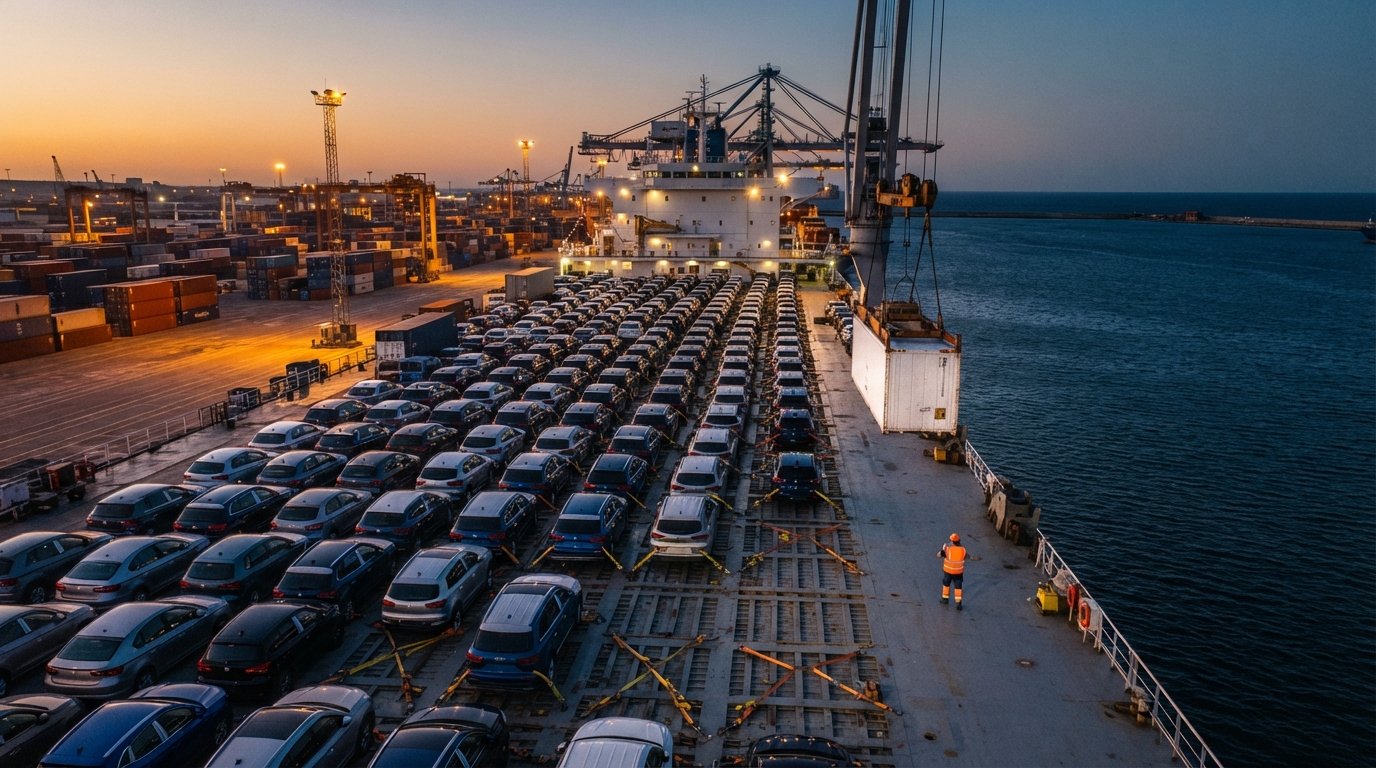
RoRo shipping is the most economical option. Your car is driven onto a large vessel and secured in a dedicated deck. It is simple, fast, and widely available on major trade routes. However, your vehicle is exposed to the elements and the movements of other cars on the deck. Container shipping, by contrast, places your car inside a sealed steel box, either shared (groupage) or exclusively yours (single container). This offers far greater protection from weather, theft, and accidental damage. It also allows you to pack personal belongings in the car, which RoRo typically prohibits. The trade-off is cost: container shipping can be 30% to 100% more expensive than RoRo, depending on the route and container type.
For high-value, classic, or modified vehicles, container shipping is almost always the recommended route. For a standard sedan heading to a common destination, RoRo is often the most sensible balance of price and reliability. Many logistics providers also offer door-to-port or door-to-door services, where a truck picks up your car from your home, takes it to the departure port, and arranges delivery at the destination. This removes a great deal of stress, especially when you are coordinating an international move from afar.
Comparing Transit Times and Costs
Transit times vary significantly by route. A shipment from the US East Coast to Europe might take 2 to 4 weeks, while a journey from the US West Coast to Asia or Australia can take 3 to 6 weeks. These estimates exclude port processing, customs clearance, and any inland transport at either end. Always build in a buffer of two to three weeks when planning your move, because port congestion and weather delays are common.
Costs are influenced by more than just shipping method. Vehicle size and weight, fuel surcharges, port fees, and the current demand for shipping space all play a role. As a rough benchmark, RoRo shipping from the US to Europe might cost between $1,500 and $3,500, while container shipping can range from $2,500 to $6,000 or more. For classic or oversized vehicles, expect even higher quotes. The best way to get an accurate picture is to request detailed quotes from several vetted freight forwarders. If you are also moving household goods, you can often bundle your car shipment with your main move to save on overall costs.
Critical Paperwork and Customs Compliance
International car shipping overseas is as much a paperwork exercise as it is a physical one. Each country has its own import regulations, and failing to comply can result in your vehicle being held at the port, fined, or even shipped back at your expense. Start your documentation at least four to six weeks before your planned departure date.
The core documents you will need typically include the vehicle's original title or certificate of ownership, a bill of lading (the contract with the shipping line), a commercial invoice if the vehicle is being sold, and a valid passport for the owner. You will also need to prove that the vehicle meets the destination country's emissions and safety standards. Many nations require a certificate of conformity, which can be obtained from the manufacturer. For older or modified cars, you may need to engage a local compliance specialist to pass a technical inspection.
Customs duties and taxes are unavoidable in most countries. The import duty on a vehicle can range from 5% to 30% of its assessed value, and you will also be liable for local value-added tax (VAT) or sales tax. Some countries, like Australia and New Zealand, have very strict quarantine regulations that may require your car to be professionally cleaned before shipping. Others, like Canada, have complex safety rules that can make importing a non-original vehicle difficult. Research the specific import rules for your destination country well in advance, or rely on your freight forwarder to guide you through the process.
Preparing Your Vehicle for Ocean Transit
Proper preparation is essential to prevent damage and avoid customs holds. Here is a practical checklist to follow before your car is loaded onto the vessel:
- Thoroughly clean the vehicle, inside and out, to help customs inspections and prevent quarantine issues.
- Disable the car's alarm system to prevent battery drain and avoid problems during loading and unloading.
- Reduce the fuel tank to a quarter full or less, as many shipping lines restrict fuel for safety reasons.
- Document the condition of your vehicle with dated photographs from all angles, including the odometer and any existing scratches.
- Remove all personal items from the car, as they are not covered by maritime insurance and can cause customs delays.
After completing these steps, take a final set of photos and keep them in a safe place. Do not forget to disable the car alarm and ensure the battery is secure. Also, check that there are no fluid leaks, as this can lead to the vessel refusing your car. If you are shipping a convertible, you may want to have the roof reinforced or the car transported in a container to avoid weather damage.
Choosing the Right Insurance Coverage
Your standard auto insurance policy almost never covers damage that occurs during ocean transit. The shipping line provides basic protection under the Hague-Visby Rules, but the liability limits are low and often exclude common types of damage like scratches and dents. To protect your investment, you should purchase separate marine cargo insurance.
This insurance can be arranged through your freight forwarder or an independent marine insurance broker. Policies typically cover physical damage, total loss, and sometimes theft and non-delivery. You will need to declare the value of your vehicle, and the premium is usually 1% to 2% of that declared value. For example, a $30,000 car might cost between $300 and $600 to insure. Always read the policy wording to understand what is excluded, such as pre-existing damage, wear and tear, or damage caused by improper packing. If you are moving your car as part of a larger household shipment, your main moving insurance may provide some coverage, but it is still wise to confirm that it extends to ocean transit.
The Role of a Freight Forwarder and Getting Quotes
Managing international car shipping overseas logistics yourself is possible, but it is time-consuming and risky. A professional freight forwarder acts as your single point of contact, handling everything from booking the vessel to coordinating customs brokers at both ends. They can also advise on the best shipping method for your budget and timeline, and they often have negotiated rates with shipping lines that can save you money.
When choosing a forwarder, look for companies that are licensed (for example, as a Federal Maritime Commission licensed forwarder in the US) and have a physical presence in the ports you are using. Read reviews on independent platforms and ask for references. A good forwarder will give you a clear, itemized quote that includes all port fees, documentation charges, and inland transport if required. Be wary of quotes that are significantly lower than others, as they may hide additional fees that will be revealed later.
To streamline your search, you can use an online marketplace that connects you with pre-vetted service providers. For example, FreeQuotes.Contractors is a digital platform that helps homeowners find trusted contractors for various projects, including vehicle transport. While its primary focus is on home improvement, the platform's lead-generation model can also link you with car shipping specialists who offer free quotes. This can save you hours of research and ensure you are dealing with vetted professionals.
Port-to-Port vs. Door-to-Door Services
One of the most important decisions you will make is whether to use port-to-port or door-to-door service. Port-to-port is the more budget-friendly option: you drop your car off at the departure port and pick it up at the destination port. This gives you full control but requires you to handle all inland transport, which can be stressful in an unfamiliar country.
Door-to-door service, also known as door-to-door or house-to-house, includes a truck that picks up your car from your current residence and delivers it to your new address overseas. The forwarder coordinates all the logistics, and you simply hand over the keys and sign a few documents. This is often worth the extra cost, especially if you are moving with young children or have a busy work schedule. It also reduces the risk of miscommunication, as the forwarder is responsible for the entire chain of custody.
Tracking Your Shipment and Handling Delays
Once your car is on the vessel, you will want to know where it is and when it will arrive. Most major shipping lines offer online tracking tools that allow you to see your car's location in real time. Your forwarder will also receive status updates and can communicate any issues to you. Keep a copy of your bill of lading (BL) and container number handy, as you will need these to track the shipment.
Delays can happen at any stage, from port congestion to customs inspections. If your car is held, the first step is to contact your forwarder to understand the reason. Often, it is a simple paperwork issue that can be resolved quickly. In other cases, such as a vessel breakdown or a strike at the destination port, you may need to adjust your plans. Always have a contingency plan for temporary storage at the destination in case of an unexpected delay.
Cost-Saving Strategies Without Cutting Corners
International shipping is expensive, but there are legitimate ways to reduce your total cost. First, be flexible with your departure and arrival ports. Shipping from a major hub like New York or Los Angeles is often cheaper than from a smaller regional port. Second, consider sharing a container with another shipper (groupage) if you are not in a rush. Third, book your shipment at least a month in advance to avoid last-minute premium rates.
Another strategy is to reduce the vehicle's value for customs by providing evidence of its actual market value, such as receipts for recent repairs. However, never understate the value to lower your insurance premium, as this will leave you underinsured in the event of a claim. Finally, avoid shipping personal items in the car unless you are using a full container, as this can trigger additional customs inspections and fees.
Common Pitfalls to Avoid
Many car owners make easily preventable mistakes when shipping overseas. The most common is waiting too long to start the paperwork, which leads to rushed decisions and missed deadlines. Another is choosing a shipping method based solely on price without considering the value of the car. A $50,000 sports car is not worth saving $1,000 by using RoRo. Also, do not forget to cancel your insurance and registration before the car leaves your name, but keep proof of ownership until the car is delivered.
If you are moving to a country with a language barrier, ensure that all your documents are translated by a certified translator, and carry both the original and translated copies. Finally, always keep digital copies of every document in a secure cloud folder. This will save you if paper copies are lost or stolen during the move.
Final Thoughts on Shipping Your Car Overseas
International car shipping overseas logistics may seem daunting, but it is a well-trodden path for thousands of expatriates and collectors each year. The key is to break the process into manageable stages: choose your shipping method, gather your documents, prepare your vehicle, secure insurance, and select a reliable forwarder. By giving yourself plenty of lead time and working with vetted professionals, you can avoid the worst pitfalls and ensure your car arrives safely at its new home. If you are also managing the logistics of a full international relocation, you may find our guide on interstate moving costs and relocation logistics helpful for planning the rest of your move. With careful preparation, you can turn a potentially stressful experience into a smooth and successful journey.