
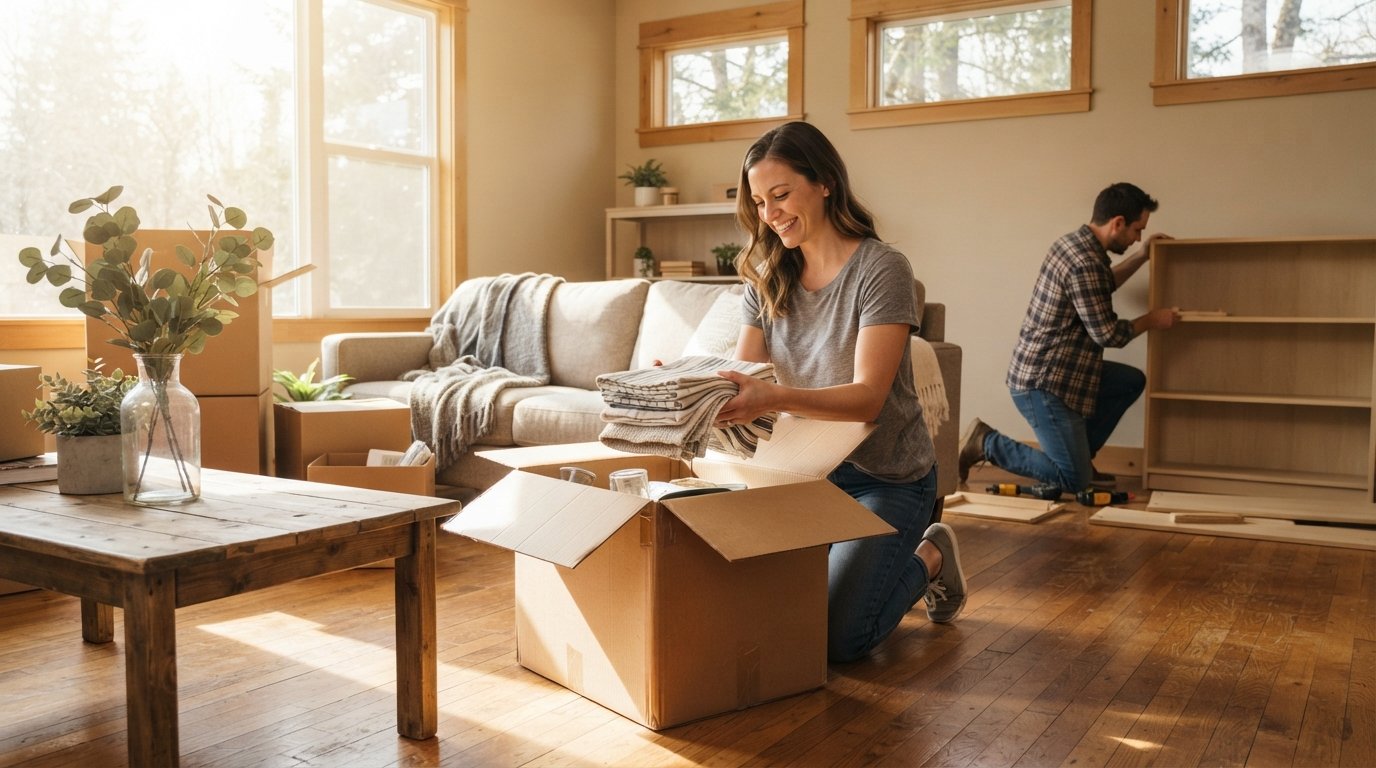
How to Efficiently Unpack New Home: 12 Steps
Learn how to efficiently unpack new home with a room-by-room plan, essential box tips, and time-saving shortcuts for a stress-free move-in.

By Rachel Clark
You did it. The boxes are stacked, the furniture is in place, and the keys to your new home are in your hand. But as you look around at the sea of cardboard, a familiar feeling creeps in: where do you even start? Unpacking can feel like the most overwhelming part of the entire moving process, and it is easy to let the boxes sit for weeks. Yet, with a clear strategy, you can efficiently unpack your new home in just a few focused days, turning that chaos into a comfortable living space without burning out.
The secret is not to unpack everything at once. It is to work in zones, prioritize what matters, and set up systems that make daily life easier from day one. This guide will walk you through a room-by-room plan, practical tips, and smart shortcuts that will help you settle in faster and reduce the stress of a new beginning.
Before You Open a Single Box: The 30-Minute Setup
Resist the urge to tear into the first box you see. Instead, spend the first 30 minutes in your new home doing a quick setup. This initial investment of time will save you hours of frustration later. Start by locating your essential box, the one you packed with items you will need immediately.
Your essential box should contain toilet paper, hand soap, paper towels, a change of clothes, basic toiletries, medications, phone chargers, a flashlight, and a few snacks. Place this box in the kitchen or bathroom where you can access it easily. Next, make sure the basic utilities are working: check for water pressure, turn on the hot water heater, and test the lights. If you have children or pets, set up a safe zone for them with their favorite toys or blankets so they are occupied while you work.
Once these basics are handled, take a deep breath and walk through each room. This is not a planning session; it is a reconnaissance mission. Note where the sunlight falls, where the outlets are, and where you want your main furniture pieces to go. Having a mental map before you start hauling boxes will prevent you from moving heavy items twice.
Follow the One-Room-at-a-Time Rule
The most common unpacking mistake is trying to tackle the whole house at once. You might unpack a few kitchen items, then wander to the bedroom, then start on the living room. This scattered approach leaves you with half-finished rooms and a growing sense of exhaustion. Instead, commit to finishing one room before moving to the next.
Start with the rooms that are essential to your daily routine: the bedroom and the bathroom. These are the spaces you need to function and rest after a long day of moving. Set up your bed first, even if the rest of the bedroom is still cluttered. A made bed with your familiar sheets will give you a psychological anchor in the new space. Then, unpack your bathroom essentials: towels, toiletries, and any daily medications. Having these two rooms complete will make the rest of the process feel less daunting.
After the bedroom and bathroom, move to the kitchen. This is where you will spend a lot of time, and it is often the most complex room to unpack. Finally, tackle the living room and any secondary spaces. By focusing on one zone at a time, you will see tangible progress, which is a powerful motivator. For a broader week-by-week plan, check out our guide on settling into a new home to keep yourself on track.
Create a Command Center for Boxes
Before you start unpacking, designate a single area, like a corner of the living room or a hallway, as your box staging zone. This is not where you unpack; it is where you organize the flow of boxes into the correct rooms. Take 15 minutes to read the labels on every box and use a marker to write the destination room on the top and side.
Then, sort the boxes into piles based on their destination: kitchen, bedroom, bathroom, and living room. Using a furniture dolly or hand truck, move each pile into its corresponding room. This may seem like extra work, but it prevents the dreaded "box shuffle" where you move a heavy box from the living room to the kitchen, then back again because you were not sure. Keeping a clear path also reduces the risk of tripping and makes your moving day safer.
Here are a few quick tips for managing your box flow:
- Use colored tape or stickers to color-code boxes by room before you move them.
- Keep a box cutter or scissors in your pocket at all times.
- Stack similar-sized boxes together to maximize floor space.
- Set up a folding table in the room you are unpacking to hold items as you remove them.
Once all boxes are in their respective rooms, you can start the actual unpacking process. You will find that working within a single room, with all its boxes at hand, is far more efficient than walking back and forth to a central pile.
Unpack the Bedroom First for a Good Night's Rest
A good night's sleep is the foundation for a productive unpacking day. That is why the bedroom should be your first priority. Start by assembling the bed frame and placing the mattress. If you have a box spring, put that in place too. Then, make the bed with your sheets, pillows, and a comforter. This simple act turns a bare room into a personal sanctuary.
Next, unpack your clothes. You do not have to put everything in the closet perfectly on day one. Start by hanging your most-used items: work clothes, everyday outfits, and a few casual pieces. Place the rest in drawers or on closet shelves. For items that are not seasonal, like heavy coats or formal wear, consider leaving them in a suitcase or a labeled box until you have the closet fully organized.
Finally, set up a nightstand with a lamp, an alarm clock, and a book. Add a small rug or a plant if you have one. The goal is to create a functional, calm space where you can recharge. When you wake up the next morning feeling rested, you will have the energy to tackle the rest of the house.
Bathroom Essentials: Quick Wins for Daily Routines
The bathroom is the second room to complete, and it is a quick win. Unpack your toiletry bag, towels, and washcloths. Install the shower curtain and liner if you have not already. Place your toothbrush, toothpaste, and face wash in a caddy or on the counter. Hang your hand towel and bath mat.
Organize the medicine cabinet and vanity drawers with your daily essentials: skincare, hair care, and over-the-counter medications. If you have a lot of products, use small baskets or trays to group similar items. This keeps the counter clear and makes it easy to find what you need.
Having a fully functional bathroom on your first night is a huge relief. You can take a shower, brush your teeth, and go to bed without digging through boxes. This small sense of normalcy goes a long way in making a new house feel like home.
Tackle the Kitchen with a System
The kitchen is often the largest and most time-consuming room to unpack. Do not try to do it all in one sitting. Instead, break it down into manageable steps. Begin with the items you use daily: coffee maker, kettle, a few plates, bowls, cups, and basic utensils. Place these within easy reach. Then, unpack your pots and pans, storing them near the stove.
Next, move to the pantry. Unpack your non-perishable food items, grouping them by category: canned goods, pasta, baking supplies, and snacks. If you have a large pantry, use shelf risers or clear bins to maximize vertical space. For the rest of your kitchen items, like small appliances, specialty tools, and extra dishware, unpack them as you have space. It is okay to leave some boxes in the garage or a storage closet for a few days if you are running out of energy.
The goal is to have a kitchen where you can prepare a simple meal without searching through ten boxes. Once that is achieved, you can refine the organization over the next week. This approach prevents kitchen burnout and keeps the momentum going for the rest of the house.
Living Room and Secondary Spaces: The Final Push
With the bedroom, bathroom, and kitchen done, you have already made the house livable. The living room and other spaces, like a home office or dining room, are where you can be more relaxed. Start by placing your furniture in the layout you planned earlier. Then, unpack your electronics and set up the TV, sound system, and any gaming consoles.
After the electronics, unpack your books, decor, and personal items. Do not feel pressured to hang pictures or arrange shelves perfectly on the first day. Instead, place items in their general vicinity and refine later. For a home office, set up your desk, chair, and computer first. Unpack office supplies and paperwork into drawers or file boxes. If you have a guest room, make the bed and leave it at that; it can be a catch-all for remaining boxes until you are ready to tackle them.
Remember, the goal is to efficiently unpack your new home, not to create a perfect Pinterest-worthy space overnight. Give yourself permission to have a few "unfinished" areas for a week or two. This reduces pressure and allows you to live in the space before making final design decisions.
Smart Unpacking Shortcuts That Save Time
Over the years, professional organizers and movers have developed a few tricks to speed up the unpacking process. One of the best is to use your moving blankets or towels as padding for fragile items instead of unwrapping everything. If you packed your dishes with dishtowels, you can simply pull them out and use them immediately. This eliminates the need to unwrap and then refold.
Another shortcut is to leave clothes on hangers. If your movers or you used wardrobe boxes, you can pull out the hanging clothes and transfer them directly to the closet rod. This saves the time of folding, transporting, and refolding. For everyday items, consider using clear plastic bins instead of cardboard boxes. They are easier to see into and can be reused for storage in the new home.
Finally, do not underestimate the power of a timer. Set a timer for 45 minutes and work in focused bursts. When the timer goes off, take a 15-minute break to stretch, hydrate, or sit outside. This interval training method keeps your energy up and prevents the overwhelming feeling of working for hours without a break.
Dispose of Packing Materials as You Go
One of the biggest mistakes new homeowners make is letting packing materials accumulate. Empty boxes, bubble wrap, and packing paper can quickly turn your new home into a recycling center. As you empty a box, break it down immediately and place it in a designated pile for recycling or disposal. Do the same for packing paper and plastic wrap.
If you are moving locally, you can offer your boxes to friends or post them on a local buy-nothing group. For everyone else, check your local recycling guidelines. Many towns have specific days for bulk cardboard pickup. If not, you may need to haul them to a recycling center yourself. Keeping your floors clear of debris will make the unpacking process safer and more pleasant.
Don't Do It All Alone: Ask for Help
Unpacking is physically and mentally demanding. There is no shame in asking for help. If you have friends or family nearby, invite them over for an "unpacking party." Provide pizza and drinks, and assign each person a small task, like unpacking the books or setting up the kitchen drawers. Many hands make light work.
If you do not have a support network, consider hiring professional unpacking services. Many moving companies offer post-move unpacking as an add-on. This can be a worthwhile investment if you have a large home or a busy schedule. For do-it-yourself movers, professional unpacking services are also available through platforms like FreeQuotes.Contractors, which connects you with local contractors who can help with the labor. You can also use this platform to find help with assembling furniture or hanging shelves, which are common tasks after a move.
Remember, the goal is to get settled, not to prove you can do it all alone. Delegating tasks is a sign of smart planning, not weakness.
Final Touches: Making the House a Home
Once the big rooms are unpacked, it is time for the final touches that turn a house into a home. Hang your favorite artwork, set out family photos, and arrange decorative items that bring you joy. These personal touches are what make the space feel distinctly yours.
Take a walk through each room and ask yourself: what is missing? Maybe it is a rug in the living room, a new lamp in the bedroom, or plants in the kitchen. Do not rush to buy everything at once. Live in the space for a few weeks, and you will naturally figure out what your home needs. This also helps you avoid impulse purchases that you might regret later.
Finally, take a moment to celebrate. Moving is a huge accomplishment. You have efficiently unpacked your new home, and now you can enjoy the fruits of your labor. Light a candle, put on your favorite music, and sit down in your new living room. You have earned it.
Unpacking does not have to be a dreaded task. With a clear plan, a bit of patience, and a focus on one room at a time, you can transform your new house into a comfortable haven in just a few days. Remember to breathe, stay organized, and ask for help when you need it. Welcome home.