
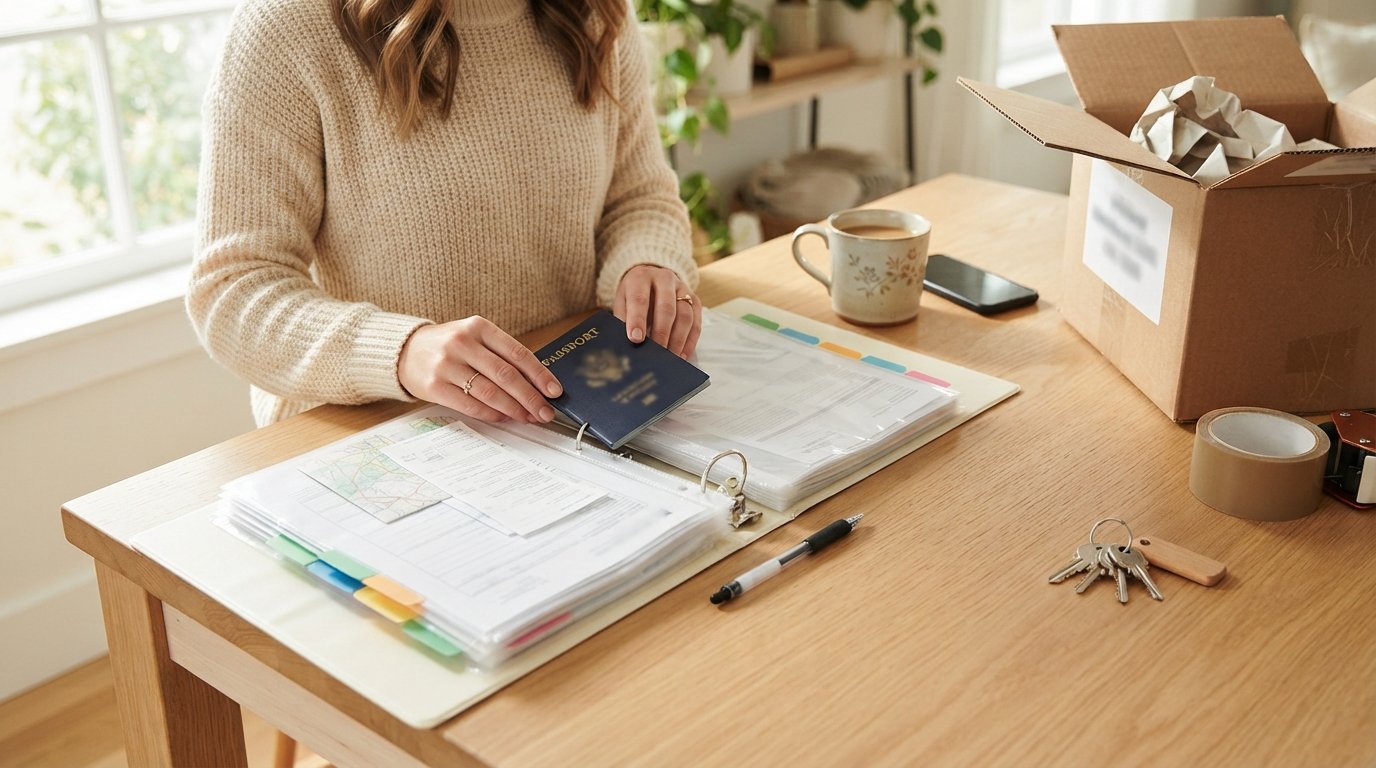
How to Create a Moving Binder with All Important Documents
Create a moving binder with all important documents to stay organized and reduce stress. Call (833)-484-8675 for expert moving help.

By Ryan Cooper
Your life is packed into boxes, the moving truck is idling outside, and somewhere in that sea of cardboard is the folder holding your passport, your kids' vaccination records, and the signed contract for your new apartment. Panic sets in. This scenario is entirely avoidable with one simple tool: a moving binder. A well-organized binder keeps every critical document in one place, ready to grab when you need it most. It becomes your command center during a chaotic time, ensuring you never have to dig through boxes for a birth certificate or scramble to find the bill of lading when a mover asks for it. This guide will walk you through exactly how to create a moving binder with all important documents, from selecting the right supplies to organizing every category of paperwork, so you can move with confidence and avoid unnecessary stress.
Why a Moving Binder Is Your Most Important Moving Box
Think of your moving binder as the brain of your relocation. It holds the information that makes everything else run smoothly: contracts, receipts, identification, and records that prove who you are and what you own. Without a central system, you risk losing track of a crucial document, facing delays at the DMV, or paying for a service you already canceled. A binder solves these problems by creating a single, portable location for all your paperwork. It also serves as a handy reference during the move itself; when a mover asks about the inventory list or you need to confirm the delivery address, you can flip to the right tab instead of tearing through boxes.
Beyond convenience, a moving binder protects you financially and legally. It houses the paperwork you need to file an insurance claim, dispute a charge, or verify your identity. It also helps you stay organized for tax purposes, especially if your move is job-related and you plan to deduct expenses. By keeping everything together, you create a clear audit trail that can save you time and money. The binder is not just a nice-to-have; it is a practical tool that reduces the mental load of moving and ensures you have proof of every transaction and agreement.
Choosing the Right Binder and Supplies
Before you start stuffing papers into pockets, take a moment to select a binder that will hold up to frequent use. A sturdy three-ring binder with a clear plastic sleeve on the cover is ideal. The sleeve lets you insert a title page that clearly labels the binder, so it is easy to spot. Choose a size that matches your volume of documents: a one-inch binder works for minimalists, while a two- or three-inch binder is better for families with extensive records. Consider a binder with a zippered closure or a strap to keep loose items secure during travel. You will also want a set of tabbed dividers, preferably with pockets, to separate categories. Clear sheet protectors are invaluable for preserving important originals and keeping them smudge-free.
Gather these supplies before you begin:
- A durable three-ring binder (1 to 3 inches, depending on your document volume)
- Plastic sheet protectors (at least 20, more if you have many documents)
- Tabbed dividers with labels (8 to 12 tabs recommended)
- A three-hole punch (if you are adding papers directly)
- A small pencil pouch or zippered bag for loose items like USB drives or checks
- A permanent marker and sticky notes for temporary labeling
Once you have your materials, set aside an hour to assemble the binder. Do not wait until the last minute; building it early gives you time to add documents as they arrive. As you organize, you may discover you need to order copies of missing records, which can take weeks. Starting early ensures you are not scrambling the day before the move.
Organizing Sections for Every Critical Document
The key to a functional moving binder is a logical structure. You want to be able to find any document within seconds, even under pressure. Create sections that reflect the major areas of your move: contracts, financial records, personal identification, and home-related paperwork. Use tabbed dividers to separate these categories, and within each section, arrange documents chronologically or by importance. For example, in the contracts section, place the most recent agreement on top. This way, when you need to reference a specific clause, you can locate it quickly. Also, consider adding a table of contents at the front of the binder. As you add documents, update the table of contents so you always know what is inside.
Here are the essential sections your moving binder should include:
- Moving Quotes and Estimates: Keep all quotes you receive from moving companies, including the final agreed-upon estimate. This helps you compare costs and verify the final bill.
- Bill of Lading and Contracts: The bill of lading is your contract with the mover; it details the terms, inventory, and liability. Store it here along with any other signed agreements.
- Receipts and Expense Records: Save receipts for moving supplies, truck rentals, hotel stays, and meals during the move. These can be used for tax deductions or reimbursement.
- Insurance Paperwork: Include your homeowners or renters insurance policy, proof of moving insurance, and any claim forms. If you file a claim, you will need these documents.
- Personal Identification: Passports, driver's licenses, birth certificates, Social Security cards, and visas. Keep these in a secure, easily accessible spot.
- Medical and School Records: Vaccination records, prescriptions, medical histories, school transcripts, and transfer forms. You will need these for new schools, doctors, and employers.
- Property Records: Deeds, leases, mortgage documents, and property tax bills. These are essential for establishing residency and handling legal matters.
- Vehicle and Pet Records: Car titles, registration, insurance, and veterinary records for pets. If you are transporting pets, health certificates may be required.
- Inventory List: A detailed list of your belongings, ideally with photos or videos. This is invaluable for insurance claims and unpacking.
- Emergency Contacts: A list of important phone numbers, including your mover, real estate agent, utility companies, and family members.
As you can see, the binder covers every aspect of your move. Once you have these sections in place, you can add documents as they come. For digital copies, scan each document and save it to a cloud folder. This brings us to the next step: creating a digital backup system that mirrors your physical binder.
Creating a Digital Backup System
While a physical binder is invaluable, it is not immune to loss, theft, or damage. A digital backup ensures you have access to your documents even if the binder goes missing. Use a cloud storage service like Google Drive, Dropbox, or iCloud to create a folder structure that mirrors your binder sections. Scan or photograph each document and upload it to the corresponding folder. Name files clearly, such as "Lease Agreement 2026" or "Vaccination Record Child 1." This makes it easy to search for a specific file. If you are not tech-savvy, ask a friend or family member to help you set up the folders and scan the first batch of documents. The goal is to have a redundant system: one physical, one digital.
In addition to cloud storage, keep a copy of critical documents on a USB drive or external hard drive. Store this drive in a safe place, such as a fireproof safe or a trusted friend's house. For the highest level of security, encrypt sensitive files with a password. When you are on the road, you can access your digital binder from any device with an internet connection. This is particularly useful if you need to show a document to a mover, landlord, or government official. Just remember to keep your login credentials secure and do not share them with unauthorized individuals.
Keeping Your Binder Accessible During the Move
One of the biggest mistakes movers make is packing the binder in a box that gets loaded onto the truck. You need your binder with you at all times. Treat it like your purse or wallet: it stays in your possession. On moving day, keep the binder in your car or carry-on bag. If you are flying to your new home, put it in your carry-on luggage, not in checked bags. This ensures you have immediate access to essential documents, such as your ID, tickets, and moving contract. If you are driving, place the binder on the passenger seat or in the glove compartment, so you can grab it quickly at a weigh station or hotel check-in.
During the move, you may need to reference the binder for several reasons: to confirm the delivery address, to provide proof of insurance to a mover, or to check the inventory list when items arrive. Having it within arm's reach saves time and reduces anxiety. When you arrive at your new home, keep the binder in a designated spot, such as a kitchen drawer or home office shelf, until you have unpacked and set up a permanent filing system. For more tips on streamlining your move, including how to reduce stress with professional packing services, see our guide on how local packing services create a stress free move.
Step-by-Step: Assembling Your Binder from Scratch
If you are starting from zero, follow this sequence to build your binder efficiently. First, gather all documents from your current files, safe, and digital accounts. Sort them into the categories outlined earlier. As you sort, make a list of any missing documents and request copies immediately. Next, hole-punch or place documents in sheet protectors and insert them into the binder behind the appropriate tab. For documents that are too small or irregular, use a sheet protector with a pocket. Then, create a table of contents and place it at the front. Finally, label the binder cover and spine with your name, new address, and a phone number where you can be reached. If you are working with a moving company, you can also request a quote through a service like ContractorHomeQuotes to compare options and ensure you have the right paperwork.
Here is a quick checklist to ensure your binder is complete:
- Gather all documents and sort into categories.
- Scan each document and save to cloud storage.
- Place documents in sheet protectors and insert into binder.
- Create a table of contents and label dividers.
- Store binder in a secure, accessible location.
- Update the binder as new documents arrive.
By following these steps, you will have a comprehensive moving binder that covers every important document. Remember to review the binder a week before the move to ensure nothing is missing. If you are hiring professional movers, having your binder ready demonstrates that you are organized and helps the move go smoothly. For families with children, include a section for school records and immunization forms, as these are often required for enrollment. For pet owners, keep veterinary records and vaccination certificates handy, especially if you are traveling across state lines or internationally.
Common Mistakes to Avoid
Even with the best intentions, people often make mistakes when creating a moving binder. One common error is waiting until the last minute, which leads to missing documents and unnecessary stress. Start early and build your binder over several weeks. Another mistake is including original documents that are irreplaceable, such as birth certificates or passports, without also having digital copies. Always scan and back up originals. A third mistake is using a flimsy binder that falls apart; invest in a sturdy one that will survive the move. Finally, do not pack the binder in a box. Keep it with you at all times. By avoiding these pitfalls, you ensure your binder remains a reliable resource.
Another frequent oversight is failing to update the binder as circumstances change. For example, if you sign a new lease or receive an updated insurance policy, add it to the binder immediately. Also, if you are moving internationally, include copies of your passport, visa, and customs forms. If you are transporting a vehicle, keep the title and registration in the binder. For a smooth international move, you may need to provide additional documentation, such as a moving inventory for customs. Always check the requirements of your destination country and add those documents to your binder. By staying proactive, you will be prepared for any request.
Final Thoughts on Building Your Moving Binder
Creating a moving binder with all important documents is a simple yet powerful way to take control of your relocation. It centralizes your paperwork, protects your interests, and gives you peace of mind. Whether you are moving across town or across the world, a well-organized binder ensures you have what you need when you need it. Start today by gathering your supplies and sorting your documents. As you build your binder, remember to keep it accessible and back it up digitally. With your binder in hand, you can focus on the excitement of your new home rather than the stress of lost paperwork.