
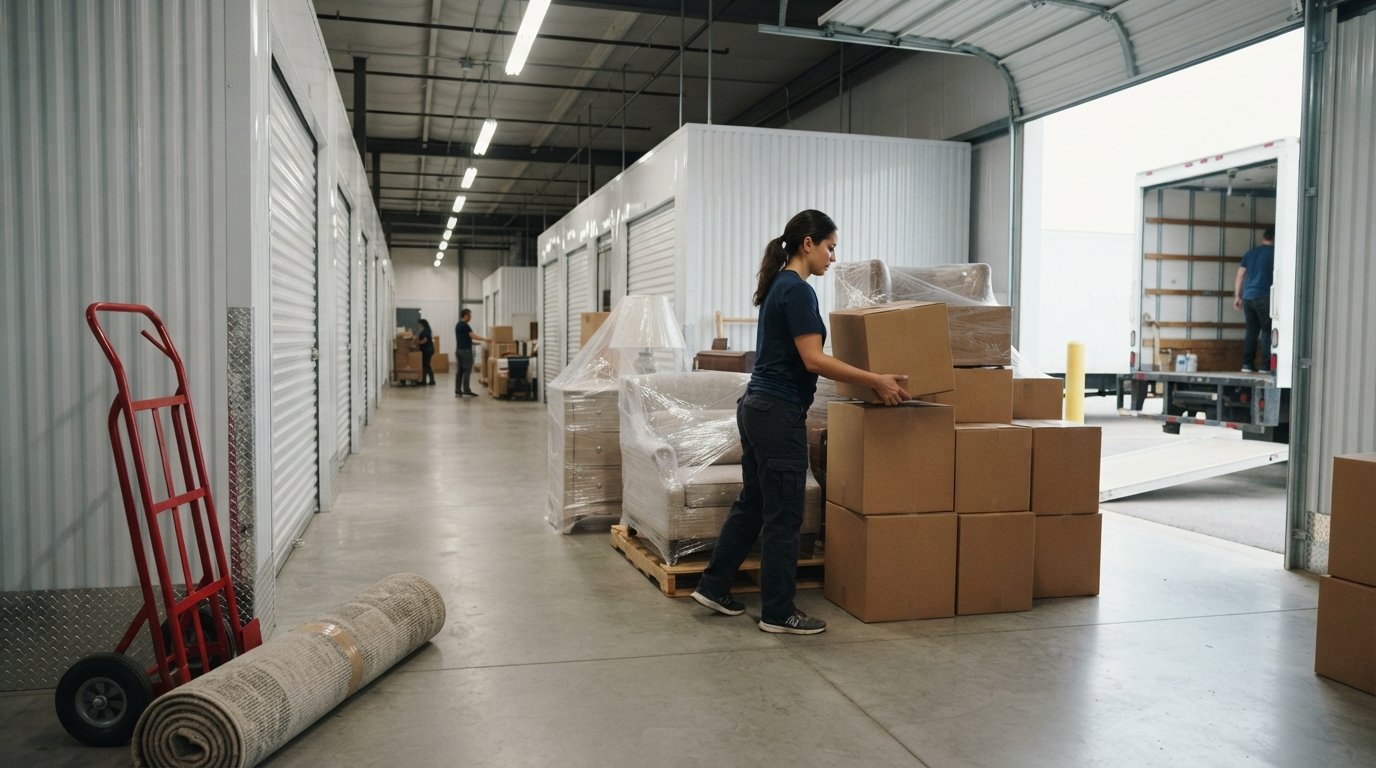
How Storage Units Help During a Move: Key Benefits
Discover how storage units help during a move by reducing stress, bridging timing gaps, and protecting your belongings with flexible, cost-effective solutions.

By Steven Clark
Moving day is often a whirlwind of boxes, furniture, and last-minute decisions. Even with a solid checklist, you might face a gap between your move-out date and move-in date, or you may simply have more belongings than your new place can hold right away. This is where a storage unit becomes an unsung hero. Renting a storage space is not just for decluttering or long-term hoarding; it is a strategic tool that can transform a chaotic relocation into a smooth, phased process. In this guide, we will explore how storage units help during a move and why they are a worthwhile investment for many relocations.
Bridging the Gap Between Move-Out and Move-In Dates
One of the most common scenarios that calls for a storage unit is a timing mismatch. Perhaps you have sold your old home and the closing date is weeks before your new home is ready. Or maybe your apartment lease ends on the 30th, but your new lease does not begin until the 1st of the following month. Without storage, you would be forced to find temporary housing for you and your belongings, which is both expensive and stressful.
With a storage unit, you can move your items out on your original schedule. You can take your time packing, hire movers for the heavy lifting, and transport everything to a secure facility. This approach eliminates the need to rush or to impose on friends and family. It also provides a buffer for unexpected delays, such as a contractor finishing late on your new home or a closing date that gets pushed back. In our article on smart storage solutions for movers, we delve deeper into how this flexibility saves both time and money.
Moreover, having a storage unit allows you to move out of your old place without immediately moving into the new one. This is particularly useful if you are doing renovations or deep cleaning before you bring in your furniture. You can stage your new home with just the essentials and bring in the rest once everything is ready. This reduces the risk of damaging your belongings during construction or making the space feel cramped while you work.
Decluttering and Staging Your Home for Sale
If you are selling a property before you move, a storage unit can be your best ally. Real estate agents often advise sellers to declutter and stage their homes to appeal to a broader range of buyers. A cluttered home feels smaller and less inviting, which can lower offers or slow down the sale. By moving excess furniture, personal items, and seasonal decor into storage, you can create a clean, neutral canvas that helps buyers envision themselves living there.
This strategy is not only about aesthetics; it is also about practicality. You can start packing non-essential items weeks before your move, which means less last-minute chaos. You will also have a lighter load on moving day, which can reduce the number of movers you need and potentially lower your hourly cost. Many people find that they do not even miss the items they stored, which can lead to a lighter, more intentional household in the long run.
Staging with a storage unit is particularly effective for those who are downsizing. If you are moving from a five-bedroom house to a two-bedroom apartment, you will need to decide what to keep, sell, or donate. Storage gives you the time to make those decisions without pressure. You can store items you are unsure about and revisit them after the move, rather than making hasty choices that you might regret.
Managing a Phased or Long-Distance Move
Not all moves happen in one day. For long-distance or cross-country relocations, you might need to ship your belongings in batches or have them delivered after you have settled in your new location. A storage unit at your destination, or even at your origin, can serve as a staging area. You can have your items shipped to a local storage facility and then arrange for delivery to your new home when you are ready.
This is also a smart solution for those who make a gradual move over several weekends. Instead of renting a truck multiple times, you can move boxes and smaller items into storage as you pack them, then hire a professional moving company to transport everything from storage to your new home in one trip. This approach can be more cost-effective and less physically demanding than a DIY move.
For international moves, storage is almost essential. You might have a gap between leaving your home country and receiving your belongings through customs. A storage unit can hold your household goods securely until your new residence is ready. This is especially important if you are staying in temporary accommodation or if your work assignment requires you to travel before settling.
Protecting Items That Are Not Ready for Your New Home
Sometimes, the issue is not timing but space. Your new home might be smaller, or you might have inherited furniture or seasonal items that you do not want to throw away but cannot fit. A storage unit offers a safe, secure place for these belongings. This is particularly valuable for items like:
- Seasonal decorations, such as holiday trees, lights, and outdoor furniture
- Sports equipment like bikes, kayaks, or ski gear that you only use part of the year
- Sentimental items or family heirlooms that you want to keep but do not have room to display
- Extra furniture or appliances that you plan to use in a future home office or guest room
- Business inventory or documents if you are moving your home office or small business
Climate-controlled storage is a wise choice for delicate items such as wooden furniture, electronics, photographs, or antique fabrics. These items can be damaged by extreme temperatures and humidity, so a climate-controlled unit ensures they remain in pristine condition until you are ready to use them again. While this option costs more than a standard unit, it offers peace of mind that your valuables are protected.
Reducing Moving Day Stress and Overwhelm
Moving is consistently ranked as one of life's most stressful events. A significant source of that stress is the sheer volume of tasks that must be completed in a short period. Packing every dish, book, and piece of clothing takes time, and the pressure to have everything ready for moving day can be overwhelming. A storage unit helps to ease this burden by allowing you to spread out the work.
You can begin packing weeks in advance, moving boxes to storage as soon as they are filled. This keeps your living space from becoming a maze of cardboard and bubble wrap. It also means that on moving day, you are not scrambling to pack the kitchen while the movers are lifting your sofa. Instead, you have already cleared out a significant portion of your belongings, leaving you with only the essentials to manage.
Moreover, a storage unit can be a temporary home for items that you are not sure you will need immediately. For example, if you are moving into a furnished apartment, you might store your own furniture until you decide whether to keep it. This removes the pressure of having to sell or donate items before the move, giving you the freedom to make decisions at your own pace.
Cost-Effective and Flexible Options
Many people assume that renting a storage unit is an unnecessary expense, but it can actually save you money in several ways. First, it allows you to choose a more cost-effective moving date. Moving companies often charge higher rates on weekends and at the end of the month. If you have storage, you can schedule your move for a weekday or mid-month when rates are lower. You can also avoid paying for a moving truck to hold your items for several days, which is a common daily fee.
Additionally, storage units come in a variety of sizes, from small lockers to large garage-sized spaces. You only pay for the space you need, and most facilities offer month-to-month leases with no long-term commitment. This flexibility is ideal for movers who only need storage for a few weeks. You can rent a unit for just one month, use it during your transition, and then cancel without penalty. Many facilities also offer discounts for the first month or for online reservations, making it even more affordable.
When you compare the cost of a storage unit to the cost of a last-minute hotel stay, expedited shipping, or paying for movers to wait while you figure out logistics, the storage option is often the more economical choice. It provides a safety net that can prevent expensive mistakes, such as booking a moving company for a day you are not ready or having to make multiple trips because your new home is not prepared.
Choosing the Right Storage Unit for Your Move
To get the most benefit from a storage unit, it is important to choose the right type and size. Start by assessing how much you need to store. A general rule of thumb is that a 5x5 unit (about the size of a small closet) holds a few boxes and small items, while a 10x10 unit can hold the contents of a one-bedroom apartment. A 10x20 unit typically fits a two- to three-bedroom house. If you are unsure, it is always better to rent a slightly larger unit than you think you need, because you will likely accumulate more items than you planned.
Next, consider the location. A facility close to your new home is convenient if you will be accessing your items frequently. A facility near your old home may be useful if you are packing gradually. For long-distance moves, you might want a unit at your destination so you can unpack at your own pace. Many moving companies offer storage as part of their services, either at their warehouse or at a partner facility. This can simplify logistics, as your items are already in the hands of professionals.
Finally, think about security and climate control. Look for facilities that offer 24-hour video surveillance, gated access, and well-lit premises. If you are storing items that are sensitive to temperature or moisture, a climate-controlled unit is worth the extra cost. This is particularly important for wooden furniture, which can warp in high humidity, or electronics, which can be damaged by extreme heat or cold. Taking these factors into account will ensure that your belongings are safe and in good condition when you retrieve them.
Using Storage to Simplify Your Unpacking Process
Moving does not end when the truck pulls away from your new home. Unpacking is a lengthy process that can take weeks or even months. A storage unit can help you avoid feeling overwhelmed by your new space. Instead of unpacking every box at once, you can have the movers place the essential items in your new home and send the rest to storage. This allows you to set up your bedroom, kitchen, and bathroom first, creating a comfortable living environment.
Once you are settled, you can visit the storage unit and retrieve items as you need them. For example, you might bring in your seasonal decorations when the holidays approach or your bookcases when you have finished painting your home office. This gradual unpacking reduces the pressure to have everything perfect on day one. It also gives you time to decide how you want to arrange your furniture without having to move heavy pieces multiple times.
For those who are moving into a smaller space, this process can be transformative. It allows you to live in your new home for a few weeks and see what you truly use and need. Many people find that they can live comfortably with far fewer items than they thought. This can lead to a more minimalist lifestyle, which is both freeing and easier to maintain. If you later decide that you do not need some of the stored items, you can sell or donate them without the stress of having them clutter your home.
When a Storage Unit Might Not Be Necessary
While storage units are incredibly helpful, they are not always the right choice. If your move is straightforward, with overlapping dates and no need to declutter, you may not need to rent one. Additionally, if you are moving into a fully furnished space or are planning to downsize seriously, it might be more cost-effective to sell or donate your items rather than pay for storage. Be honest with yourself about what you will actually use in the future. Storing items for years that you never look at can become a financial drain.
Another consideration is the cost. While a month of storage is often cheaper than other moving alternatives, it is still an added expense. If you are on a tight budget, you might prefer to donate items that are not essential and save the money. Also, if you are moving to a remote area where storage facilities are limited or expensive, you may need to explore other options, such as asking a friend to hold a few boxes or shipping items ahead of time.
Ultimately, the decision comes down to your specific circumstances. A storage unit is a tool that can provide flexibility, security, and peace of mind. It is not a solution for every move, but for many, it can be the difference between a stressful, chaotic relocation and a calm, organized one. By weighing the benefits against the costs, you can make an informed choice that supports your needs.
Final Thoughts on Using Storage Units for Your Move
In summary, how storage units help during a move is clear: they offer flexibility, reduce stress, protect your belongings, and can even save you money. Whether you are bridging a timing gap, staging a home sale, managing a long-distance move, or simply need to declutter, a storage unit provides a practical solution. It allows you to move at your own pace and unpack at your own pace, which is a luxury that many movers do not have.
As you plan your next relocation, consider whether a storage unit could benefit you. Look for a reputable facility that offers the right size, security, and climate control for your needs. If you are also looking for reliable movers, you can request free quotes from qualified professionals through platforms like FreeQuotes.Contractors to compare your options. With the right planning and the right resources, you can turn a stressful move into a fresh start.