
How Car Shipping Companies Work: A Guide to Vehicle Transport
Learn how car shipping companies operate to transport your vehicle safely. This guide explains the process, costs, and how to choose a reliable service.

By Jason Adams
Relocating your vehicle across the country, or even across state lines, presents a unique logistical challenge. While you can drive it yourself, the time, cost of fuel, and wear and tear often make professional auto transport the smarter choice. But the process of handing over your keys to a car shipping company can feel opaque. How do these companies actually work? What happens to your vehicle from pickup to delivery? Understanding the mechanics of vehicle transport is the key to a stress-free experience, ensuring your car arrives safely and on time at your new destination. This guide demystifies the entire operation, from the initial quote to the final inspection, empowering you to make informed decisions.
The Core Types of Vehicle Transport Services
Car shipping companies primarily offer two fundamental service types, each with distinct advantages, costs, and use cases. The choice between them is one of the first and most significant decisions you will make. The first is open transport, which is the most common and economical method. In this system, vehicles are shipped on multi-car trailers that are open to the elements, similar to the car carriers you see on highways. This method is ideal for standard vehicles, daily drivers, and most moves where budget is a primary concern. The vast majority of vehicles shipped in the U.S. travel this way.
The second primary type is enclosed transport. This service involves shipping your vehicle in a fully enclosed trailer, protecting it from road debris, weather (rain, hail, sun), and other environmental factors. Enclosed transport is typically reserved for classic cars, luxury vehicles, high-performance sports cars, exotic models, or any vehicle where maximum protection is paramount. Naturally, this premium service comes at a higher cost, often 30-60% more than open transport. Some companies offer hybrid options, like soft-sided enclosures, but the core dichotomy remains between open and enclosed.
The Step-by-Step Process of Shipping a Vehicle
Engaging a vehicle shipping company follows a predictable sequence. Knowing each stage helps you set expectations and prepare appropriately. The process begins with research and obtaining quotes. You will provide details like the make, model, year, vehicle condition (operable or inoperable), pickup and delivery ZIP codes, and your desired timeline. Reputable companies will offer binding quotes, not vague estimates. It is crucial to compare not just price, but also company reputation, insurance coverage, and contract terms.
Once you select a company and book your shipment, you will receive a contract and schedule a pickup window. The carrier (the truck driver and trailer assigned to your route) will contact you to confirm the exact pickup time. Here is a concise breakdown of the key steps from booking to delivery:
- Booking and Scheduling: You finalize the contract, pay a deposit (if required), and your vehicle is placed on a transport schedule matching its route.
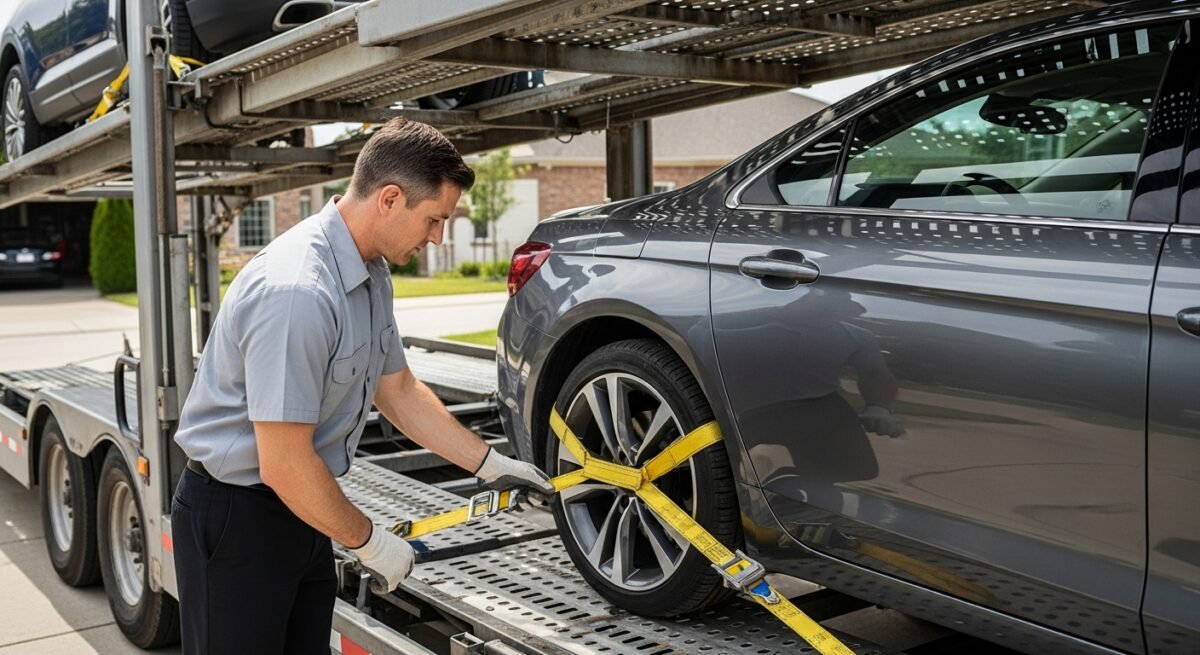
- Vehicle Pickup: The carrier arrives, conducts a thorough inspection noting any pre-existing damage on a Bill of Lading (BOL), and loads your vehicle onto the trailer.
- In-Transit Tracking: During the journey, many companies provide updates. Transit times vary by distance and route efficiency.
- Vehicle Delivery: The carrier arrives within the delivery window, you conduct a final inspection against the BOL, sign for receipt, and pay the remaining balance.
After pickup, your vehicle enters the transit phase. The carrier will follow a planned route, often picking up and dropping off other vehicles along the way to optimize the load. This is why delivery is given as a window (e.g., 1-5 days) rather than an exact date. Modern auto transport services often provide tracking information, giving you peace of mind. Upon delivery, a meticulous inspection is your most important task. Compare the vehicle’s condition to the notes on the initial BOL. Only after confirming its condition should you sign the release and complete payment. This document finalizes the transaction, so ensure any new damage is documented before signing.
Key Factors That Influence Shipping Costs
The price quoted by car shipping companies is not arbitrary. It is calculated based on a dynamic matrix of variables that affect the carrier’s operational costs and market demand. Distance is the most obvious factor: longer hauls cost more, but the cost per mile often decreases on very long routes. Seasonality and demand also play a huge role. Prices spike during peak moving seasons (summer, month-ends) and when demand is high in certain corridors, like Florida in winter or the Northeast in summer.
Vehicle specifics are equally important. The size, weight, and ground clearance of your vehicle determine how much space it occupies on the trailer. A compact car costs less to ship than an SUV, truck, or van. Inoperable vehicles (non-runners) incur significant extra fees, often $100-$300, because they require special equipment to load and unload. Furthermore, the choice between open and enclosed transport, as discussed, is a major cost driver. Finally, flexibility affects price. If you can offer flexible pickup and delivery dates (a “broad window”), the company can more easily fit your vehicle into an existing route, potentially lowering your cost compared to a guaranteed, expedited shipment.
Choosing a Reputable Auto Transport Company
With many vehicle shipping companies in the market, selecting a trustworthy partner is critical. Start with verification. Ensure the company is properly licensed with the U.S. Department of Transportation (USDOT number) and has active motor carrier (MC) authority. You can verify this for free on the FMCSA’s SAFER website. Insurance is non-negotiable. The company must carry cargo insurance to cover your vehicle during transit. Ask for the certificate of insurance and understand the coverage limits and your own responsibilities.
Reputation research is your best tool. Read independent customer reviews on multiple platforms (Google, BBB, Trustpilot). Look for patterns in feedback: are complaints about communication, damage, or delays addressed professionally? Be wary of companies that demand large upfront cash deposits or refuse to provide a clear, written contract. A professional firm will be transparent about all costs and terms. For a deeper dive into evaluating providers, our resource on car transport services for vehicle relocation offers a detailed checklist. Remember, the cheapest quote can often lead to the most expensive problems. Value reliability, communication, and proper credentials over the absolute lowest price.
Preparing Your Vehicle for Transport
Proper preparation protects your vehicle and streamlines the process. Start with a thorough cleaning, inside and out. This makes it easier to document the vehicle’s condition during the pre-shipment inspection. A clean car allows you and the driver to spot any new scratches or dings upon delivery. Next, address mechanical issues. While the car does not need a full service, ensure it is in safe working order for loading. Disable any alarm systems, or provide the driver with clear instructions to deactivate them. For modern vehicles with GPS tracking or telematics (like OnStar or Tesla’s connectivity), you may wish to disable these features for privacy during transit.
Personal belongings are a key point. Most professional auto transport companies’ insurance explicitly does not cover personal items left inside the vehicle. Furthermore, excess weight can violate carrier safety regulations. Remove all valuables, documents, and loose items. You are typically allowed to leave only factory-installed equipment. Finally, document your vehicle’s condition yourself. Take date-stamped photos and videos from all angles, focusing on existing imperfections. This creates your own independent record in case of any dispute. Provide the driver with about a quarter tank of fuel; this is enough for loading and unloading but minimizes weight and safety risk.
Frequently Asked Questions About Vehicle Transport
How long does it take to ship a car cross-country?
For a standard coast-to-coast shipment via open transport, expect 7-10 days on average. Regional moves (500-1,000 miles) may take 3-5 days. These are door-to-door transit times after pickup; scheduling the pickup itself can add several days.
What payment methods are standard?
Most companies require a credit card to book and secure your spot. The remaining balance is typically paid upon delivery via cash, cashier’s check, or certified funds directly to the driver. Never wire money to an individual or pay with gift cards.
Can I ship household goods in my car?
No. As noted, this is prohibited by carrier insurance and DOT weight regulations. For moving your belongings, you must use a separate moving service or rent a truck. To plan a smooth home relocation that coordinates both your household move and vehicle shipment, start your planning early.
What if my car is damaged during transport?
This is why the Bill of Lading inspection is critical. Note any damage on the BOL at pickup and delivery. If you discover damage after the driver leaves, contact the transport company immediately. Claims are processed through the carrier’s insurance, and your own documentation (photos, video) is vital.
Do I need to be present for pickup or delivery?
It is highly recommended, but not always mandatory. You can appoint a trusted representative (with a notarized letter of authorization) to handle the inspection and paperwork on your behalf. Coordinate this with the transport company in advance.
Understanding how car shipping companies work transforms vehicle transport from a source of anxiety into a manageable logistics task. By comprehending the service types, the step-by-step process, and the factors that drive decisions and costs, you become an informed consumer. This knowledge allows you to select a reputable provider, prepare your vehicle correctly, and navigate the shipment with confidence. Whether you are moving for a job, retiring to a new state, or purchasing a vehicle from afar, professional auto transport is a valuable service that, when used wisely, saves you time, money, and stress while ensuring your vehicle arrives safely at its new home.