
Hiring Furniture Removal Companies for Large Item Moving
Professional furniture removal companies safely move bulky, heavy, or fragile items. Call (833) 762-3578 for a consultation and quote tailored to your large item moving needs.

By Sarah Morris
Moving a single oversized piece of furniture, or clearing out an entire house full of it, presents a unique set of challenges that go far beyond a standard residential move. The logistics of navigating a grand piano down a narrow staircase, the sheer weight of a solid oak armoire, or the delicate handling required for a cherished antique dresser demand specialized skills and equipment. This is where professional furniture removal companies for large item moving become not just a convenience, but a necessity. These specialized movers bridge the gap between a full household relocation and a simple junk hauling service, offering targeted expertise to transport, deliver, or dispose of your bulky possessions safely and efficiently. Understanding when to call them, what to expect, and how to choose the right service can save you from injury, property damage, and significant stress.
Defining the Scope of Large Item Furniture Moving
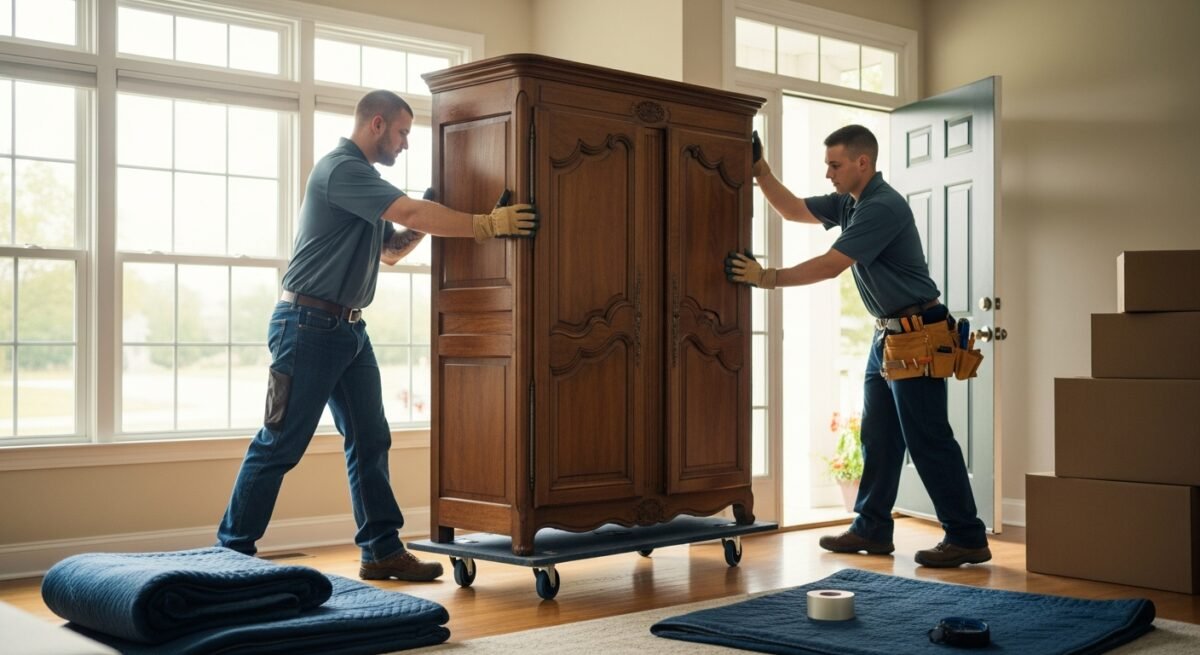
Not every bulky object requires a specialized crew, but many do. The defining characteristics of items that necessitate professional furniture removal companies typically involve one or more of the following factors: extreme weight, unusual dimensions, high value, or fragile construction. A standard moving company might handle a sofa, but a professional furniture mover is equipped for a sectional that needs to be disassembled and reassembled. They have the tools for a pool table that requires precise leveling, or the padded blankets and custom dollies for a massive, irreplaceable heirloom cabinet.
Common scenarios for hiring these experts include single-item delivery from a retailer (when white-glove service is needed), moving a few key pieces into a new home ahead of the main move, relocating office furniture, downsizing a home where only select large items are being kept, or removing unwanted bulky items for donation or disposal. It is a targeted service focused on the complexities of the items themselves, rather than the volume of an entire household. This precision often makes it a cost-effective solution for specific needs.
Services Offered by Professional Furniture Movers
Furniture removal companies offer a menu of services that can be tailored to your exact situation. The core offering is, of course, the physical transportation of the item from point A to point B. However, the value lies in the ancillary services that ensure the job is done correctly. This begins with an in-home assessment or detailed phone consultation, where the crew lead evaluates the item, the access points at both locations (stairs, door widths, elevators), and any potential obstacles. Based on this, they will recommend a plan, which may include partial disassembly. Skilled furniture movers can safely take apart bed frames, table legs, modular shelving units, and other complex items to make them manageable, then reassemble them at the destination.
Packing and crating is another critical service. For fine wood furniture, delicate finishes, or glass components, professional movers use specialized materials like furniture pads, stretch wrap, and custom-built wooden crates to protect against scratches, dents, and impact during transit. The loading and unloading process utilizes equipment like appliance dollies, piano boards, stair climbers, and even small cranes for exterior window lifts in extreme cases. Finally, many companies also provide placement and setup, putting the item exactly where you want it in the new room, removing all packing materials, and ensuring it is stable and ready for use.
The Critical Advantages of Hiring Specialists
Choosing a company that specializes in furniture removal for large items over a general handyman service or attempting a DIY move offers compelling advantages. The foremost is risk mitigation. Professional movers carry both liability insurance and workers’ compensation insurance. This means if your hardwood floor is scratched, the wall is damaged, or a mover is injured on your property, you are not held financially responsible. This protection is invaluable when dealing with heavy, awkward objects in tight spaces.
The second major advantage is expertise and efficiency. Experienced furniture movers have seen it all and developed techniques for navigating common and uncommon challenges. They know how to pivot a king-size mattress around a corner without scraping the walls, how to distribute the weight of a safe to avoid cracking steps, and the precise angle to tilt a refrigerator. This expertise translates to a faster, smoother process and significantly reduces the chance of damage to your belongings and your home. Furthermore, they come prepared with the right tools for the job, saving you from costly rentals or makeshift solutions that can lead to accidents.
Cost Factors and Getting Accurate Estimates
The cost of hiring furniture removal companies varies widely based on several key factors. Understanding these will help you interpret quotes and avoid surprise bills. The primary drivers are the items themselves: the number, size, weight, and fragility. A bulky but lightweight sectional may cost less to move than a dense, compact safe. Distance is the next major factor, with local moves typically charged by the hour (for the crew and truck) and long-distance moves charged by weight and volume. Accessibility issues, such as flights of stairs, long carry distances from the truck, narrow doorways, or the need for an elevator, will often incur additional fees.
To get an accurate estimate, be as detailed as possible when describing your job. Provide photos and measurements if you can. Reputable companies will insist on a video survey or in-person walkthrough for anything beyond a simple job. Be wary of quotes given over the phone without any visual assessment. Always ask what is included in the quoted price. Does it cover packing materials, tolls, fuel surcharges, and stairs? Get the quote in writing. For complex projects, like whole-house clearouts that blend moving with disposal, understanding the service scope is crucial. For a deeper look at managing such projects, our guide on how junk removal companies handle cleanouts provides a useful framework.
When budgeting, it is wise to get a free moving quote from several reputable furniture removal companies to compare not just price, but the services included and the professionalism of their approach.
How to Vet and Choose the Right Furniture Removal Company
Selecting the right company requires due diligence. Start by verifying their licensing and insurance. For interstate moves, they must have a USDOT number issued by the Federal Motor Carrier Safety Administration (FMCSA). For local moves, check your state’s requirements. Ask for proof of both liability and workers’ comp insurance, and consider calling the insurer to verify the policy is active. Reputation research is next. Read reviews on multiple platforms (Google, Yelp, BBB) and pay attention to how the company responds to negative feedback. Ask for references from recent jobs similar to yours.
Prepare a list of questions to ask during the estimate process. Key questions include: How many years have you been in business? Are your employees background-checked and trained? What is your process for protecting floors and walls? Do you offer a guaranteed, binding quote or an estimate? What is your policy for damages? A professional company will answer these confidently and transparently. Trust your instincts during interactions. Clear communication, punctuality, and a willingness to explain the process are strong indicators of a reliable partner.
Preparing for Your Large Item Move
Your preparation can make the mover’s job easier, safer, and faster. Begin by ensuring clear access. Measure doorways, hallways, and stairwells to confirm the item can fit, and communicate these measurements to the moving company. On moving day, clear the path completely. Remove rugs, door mats, and any fragile items from the route. Protect your floors with old sheets or cardboard runners if you are concerned, though professional crews will bring their own supplies.
If you are handling any disassembly yourself (like taking down a bed frame), keep all screws, bolts, and small parts in a labeled plastic bag taped to the item or placed in a clearly marked box. For electronics integrated into furniture, such as a TV in an entertainment center, it is almost always best to let the professionals handle disconnection and removal. Empty all contents from dressers, desks, and cabinets. Not only does this make the furniture lighter and safer to move, but most moving companies’ insurance will not cover items left inside. Finally, be present during both the loading and unloading to oversee the process, answer questions, and do a final inspection.
Frequently Asked Questions
Q: What is the difference between a furniture removal company and a full-service moving company?
A: While there is overlap, furniture removal companies typically specialize in individual or small sets of large, bulky, or complex items. They often handle single-item deliveries, pickups for disposal, or partial home moves. Full-service movers are geared toward relocating entire households, including packing all small items, kitchenware, and clothing. For moving just a few large pieces, a furniture specialist is often more efficient and cost-effective.
Q: Will movers disassemble and reassemble my furniture?
A: Most professional furniture removal companies offer disassembly and reassembly as a standard part of their service for items that require it, such as bed frames, large tables, or modular units. This should be confirmed during the estimate process. There is usually no extra charge for this if it is necessary for the move, but complex reassembly (like rebuilding a custom wall unit) might incur a fee.
Q: How far in advance should I book a furniture mover?
A: For a single item or a small job, booking 1-2 weeks in advance is usually sufficient. For larger projects, during peak moving seasons (summer, end of the month), or for highly specialized items, aim for 3-4 weeks. Always book as soon as your plans are firm to ensure availability.
Q: What happens if my furniture is damaged during the move?
A> Reputable companies have a claims process. Before the movers leave, you should inspect your items and note any damage on the mover’s copy of the inventory sheet or bill of lading. You then have a limited time (often 30-90 days) to file a written claim with the company. This is why verifying their insurance coverage beforehand is critical.
Q: Can furniture movers help with items I want to donate or dispose of?
A> Yes, many furniture removal companies offer disposal and donation services. They can haul away unwanted large items for a fee, often recycling or donating them if they are in good condition. This is a common service for downsizing or estate clearances.
Navigating the world of large item furniture moving requires recognizing the limits of a DIY approach and the value of specialized skill. Furniture removal companies provide the equipment, insurance, and technique to transform a potentially hazardous and stressful task into a seamless operation. By carefully vetting providers, understanding the cost structure, and preparing your home and items, you can ensure your prized possessions, from the utilitarian to the priceless, are transported with the care and professionalism they deserve. The right partnership guarantees not just the safety of your furniture, but also your own peace of mind.