
Hiring a Moving Company for a 1 Bedroom Apartment: A Complete Guide
Learn how to hire the right moving company for a 1 bedroom apartment to save time, reduce stress, and avoid hidden costs. Get a complete guide to budgeting, packing, and moving day execution.

By Amanda Lewis
Moving out of a one bedroom apartment might seem like a small job, but anyone who has done it knows the unique challenges it presents. You have less stuff than a family, but you still have all the essential furniture, a kitchen to pack, and likely a tight budget. The decision to hire professional movers for this scale of move is often a question of value versus cost. Is it worth it? How do you find a reputable moving company for a one bedroom apartment that won’t overcharge or underdeliver? This comprehensive guide walks you through every consideration, from budgeting and booking to packing and unpacking, ensuring your transition is efficient, affordable, and stress-free.
Why Hire Movers for a One Bedroom Move?
Many people consider a DIY move for a one bedroom apartment to save money. While this can work, the hidden costs and immense physical and mental strain are often underestimated. Professional movers bring expertise, equipment, and manpower that transform a chaotic day into a streamlined operation. For a one bedroom move, the value isn’t just in moving heavy items, it’s in the time saved, the risk of injury eliminated, and the security of knowing your belongings are handled correctly. A specialized moving company for a one bedroom apartment understands the optimal truck size, the typical inventory, and can provide an accurate, binding estimate that avoids the surprise costs of truck rentals, fuel, last-minute helper payments, and potential damage.
Furthermore, professionals are insured. If a treasured bookcase is scratched or a mirror cracks, a reputable company has liability coverage. When you recruit friends, you’re on the hook for any mishaps. The efficiency is also a major factor. What might take you and friends two exhausting days, a professional crew of three can often complete in a matter of hours. This allows you to focus on change-of-address forms, utility transfers, and cleaning, making the entire process more manageable. Ultimately, the investment in a moving company for one bedroom apartment relocation is an investment in your time, safety, and peace of mind.
Finding and Vetting the Right Moving Company
Not all moving companies are created equal, especially for smaller moves. Some larger van lines may have high minimum charges, making a one bedroom move disproportionately expensive. Your goal is to find a company that frequently handles apartment moves and offers fair, transparent pricing for smaller loads. Start your search with online reviews, but go beyond the star rating. Look for patterns in feedback: are they consistently on time? Do they handle items with care? How do they resolve issues? A resource like our guide on how to read and trust moving company reviews can help you decipher genuine feedback from fake posts.
Once you have a shortlist of 3-4 companies, contact them for estimates. Be wary of any company that gives a quote over the phone without asking detailed questions. A reputable estimator will want to know about major items (bed frame, mattress, sofa, dresser, dining set, TV), the number of boxes you expect, and any access challenges (stairs, elevator distance, parking). For the most accuracy, request an in-person or virtual video survey. This allows them to see exactly what you have and provide a binding or not-to-exceed estimate, which protects you from price hikes on moving day. Always verify their USDOT number for interstate moves or state licensing for local moves, and confirm they have both liability and cargo insurance.
Understanding Costs and Getting Accurate Estimates
The cost of hiring a moving company for a 1 bedroom apartment varies widely based on distance, location, season, and services required. A local move (within the same city) is typically charged by the hour, with a minimum number of hours (often 2-4). An interstate move is charged by weight and distance. For a one bedroom apartment, you can expect a local move to range from $300 to $800, while a long-distance move can range from $1,000 to $3,000 or more. These are broad estimates, and your specific quote will depend on your inventory and move details.
To get the best and most accurate estimate, be thorough in your disclosure. Don’t forget to mention:
- Bulky or heavy items: a large sleeper sofa, a metal filing cabinet, a weighty antique.
- Access issues: a walk-up apartment on the 3rd floor, a long hallway from the parking spot, an elevator that requires a reservation.
- Items that need special handling: a fragile glass tabletop, a large piece of art, a piano (even a small upright).
- Services you want: full packing, unpacking, furniture disassembly/reassembly, appliance servicing.
Ask what the estimate includes. Does it cover wrapping materials (pads, shrink wrap), dollies, and fuel? Are there extra fees for stairs, long carries, or shuttle services if a large truck can’t park at your door? Get everything in writing. A trustworthy moving company for one bedroom apartment moves will have no problem providing a detailed, written estimate that outlines all costs and potential extra charges. This document is your primary protection against low-ball quotes that balloon on moving day.
Preparing for Moving Day: The 1-Bedroom Apartment Checklist
Your preparation directly impacts the efficiency, cost, and smoothness of your move. Even if you hire full-service movers who will pack for you, there are essential steps you must take. Begin by decluttering ruthlessly. A move is the perfect time to donate, sell, or discard items you no longer need. Fewer boxes mean a lower cost for long-distance moves and less time for local moves. Create a “first night” box with essentials: toiletries, a change of clothes, medications, phone chargers, basic tools, paper towels, and toilet paper. This box should travel with you, not on the truck.
For items you are packing yourself, start early. Pack room by room, clearly labeling each box with its contents and the room it belongs in (e.g., “KITCHEN – Pots and Pans”). Use sturdy boxes and proper packing materials. Dismantle any furniture you can, like bed frames and table legs, and keep all screws and hardware in labeled plastic bags taped to the item. On the day before the move, create a clear path. Remove any rugs or door mats that could be a tripping hazard. Designate a specific area for items that are NOT going on the truck. Communicate clearly with your moving company foreman. Walk them through the apartment, point out fragile items, and confirm the inventory list. Your preparedness helps the crew work faster and safer, which benefits everyone involved. To plan a smooth home relocation, a detailed checklist is your most valuable tool.
Packing Strategies: DIY vs. Professional Packing
One of the key decisions you’ll make is whether to pack yourself or pay for professional packing services. For a moving company for a 1 bedroom apartment, packing services can be a worthwhile add-on. Professional packers are fast, efficient, and use high-quality materials. They know how to protect your belongings optimally, which can significantly reduce the risk of damage. They will inventory everything as they pack, adding a layer of accountability. This service is especially valuable for fragile items, complex electronics, and awkwardly shaped decor.
If you choose the DIY route to save money, you must be strategic. Gather supplies: small boxes for books (they get very heavy), medium boxes for most household items, and large boxes for light, bulky items like pillows and linens. You’ll need packing paper, bubble wrap, tape, and markers. Pack heavy items at the bottom of a box, lighter items on top. Fill all voids with crumpled paper or packing peanuts to prevent shifting. For dishes, use dish packs or small boxes, and wrap each dish individually. Always pack plates vertically (like records), not flat. For clothing, leave items in dresser drawers if the unit is sturdy (remove very heavy items), and use wardrobe boxes for hanging clothes. The key is to avoid overpacking boxes, making them too heavy to lift safely, and under-packing, which allows contents to crash around.
Moving Day Execution and What to Expect
On moving day, the goal is a seamless handoff. Be ready for the crew before their scheduled arrival time. Have final boxes packed and sealed. Keep pets secured in a carrier or in a closed room with a sign on the door. Children should be supervised or cared for off-site. When the movers arrive, the foreman will do a final walkthrough with you to confirm the plan and the inventory. They will likely have a bill of lading, which is your contract and receipt. Review it carefully before signing.
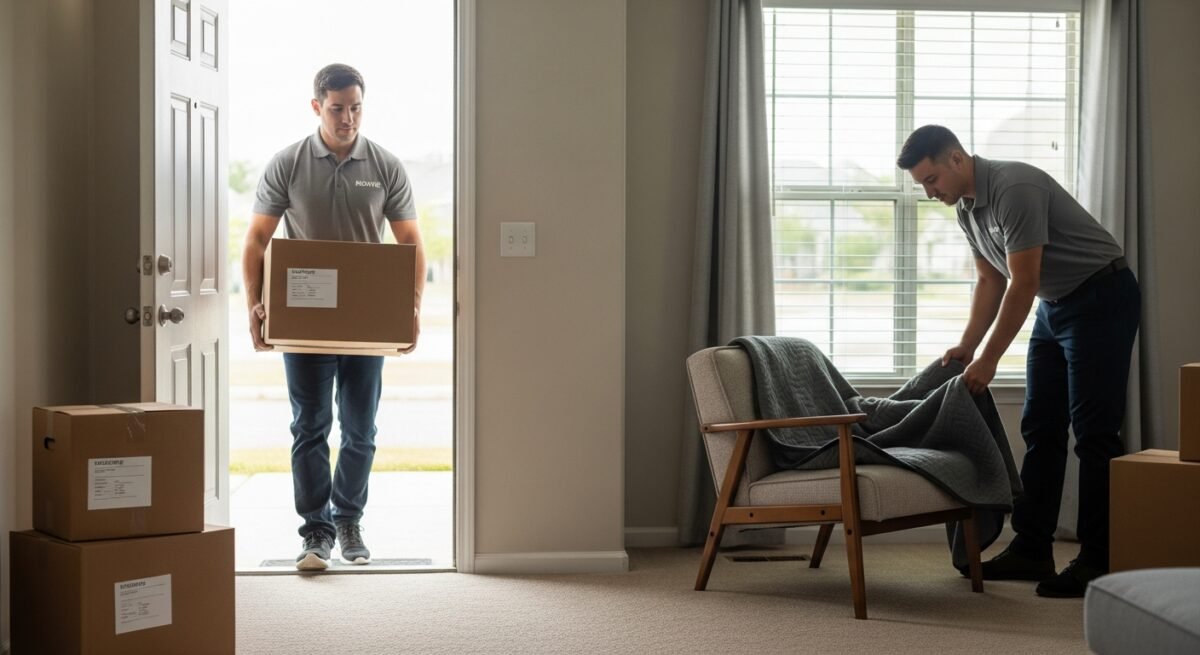
The loading process is where you see professionalism in action. Movers will use furniture pads, dollies, and moving straps to protect your belongings and your walls and doorframes. They will load the truck strategically, placing heavy, bulky items first and building a stable wall of furniture and boxes. Your role is to be available for questions, but not underfoot. Offer water, especially on hot days, but avoid slowing them down with excessive conversation. Once loading is complete, you will do a final walkthrough of the empty apartment with the foreman. Then, you’ll sign the bill of lading, and the truck will depart for your new home. For a local move, you may follow them. For a long-distance move, you will receive an estimated delivery window.
Unpacking and Settling Into Your New Home
The service of a great moving company for one bedroom apartment doesn’t necessarily end when the truck is unloaded. Many companies offer unpacking services, where they will place boxes in designated rooms, remove packing debris, and even assemble basic furniture. If you’ve done a self-pack move, your first task is to direct the movers on where to place each large item. Have a floor plan sketched out to make this process efficient. Tip: place furniture approximately where you want it, even if you need to fine-tune later. It’s much harder to move a sofa alone after the movers have left.
Start unpacking systematically. Begin with essentials: your “first night” box, then kitchen and bathroom necessities. Assemble your bed first so it’s ready when you’re exhausted. Break down boxes as you empty them and keep them in a neat pile. If you hired movers, they will typically take all packing materials with them if requested. Take your time settling in. Don’t feel pressured to unpack every box in the first 48 hours. Focus on creating a functional, comfortable space first, and deal with decorative items and less-essential goods over the following week.
Frequently Asked Questions
How far in advance should I book a moving company for a one bedroom apartment?
For local moves, book at least 2-4 weeks in advance, especially during peak season (May-September). For interstate moves, 6-8 weeks is advisable to secure your preferred date and get the best rates.
Should I tip my movers, and if so, how much?
Tipping is customary and appreciated for good service. A standard guideline is $20-$40 per mover for a half-day local move, or $40-$80 per mover for a full-day or long-distance move. Base the amount on the crew’s efficiency, care, and professionalism.
What items cannot be moved by a professional moving company?
Movers cannot transport hazardous materials like aerosol cans, paint, chemicals, propane tanks, or ammunition. They also typically won’t move perishable food, plants, or personal documents like passports and financial records. Plan to transport these items yourself.
Is it cheaper to move a one bedroom apartment on a weekday?
Yes, almost universally. Moving company rates are often lower Monday through Thursday, and availability is better. If your schedule allows, a weekday move can result in significant savings.
What if my new apartment isn’t ready on moving day?
This is a critical issue. Discuss this possibility with your moving company upfront. Many offer short-term storage-in-transit services, where your belongings can be held in a secure warehouse until your new home is ready, though this adds cost.
Hiring the right moving company for your one bedroom apartment move is a decision that pays dividends in reduced stress, protected belongings, and reclaimed time. By understanding the process, from vetting and estimates to packing and execution, you transform a daunting task into a well-managed project. The key is to start early, ask detailed questions, and choose a partner that views your smaller move as an important job worthy of their full attention and care. With the right preparation and professional help, you can close the door on your old apartment and open the door to your new home with confidence and ease.