

Healthcare Telehealth Services Explained: A 2026 Guide
Discover how virtual medical practice works, its benefits, and how to use it for routine care and chronic management.

By Mark Johnson
Imagine waking up with a sore throat, a nagging cough, or a mysterious rash. In the past, your first instinct might have been to call your doctor's office, wait on hold, and then schedule an appointment days later. Today, you can open your phone, log into a secure portal, and speak with a licensed clinician within minutes. This is the reality of modern healthcare telehealth, and it is transforming how millions of people access medical advice, prescriptions, and follow-up care. Understanding what these services offer, how they work, and when to use them can save you time, money, and unnecessary stress. In this article, the full scope of healthcare telehealth services is explained in a practical, consumer-friendly way, with a special focus on how these digital tools integrate with your broader health and wellness needs.
The shift toward virtual medical practice is not just a temporary trend. It is a fundamental change in the delivery of care, driven by advances in secure video technology, mobile health apps, and a growing demand for convenience. Whether you live in a rural area with limited specialists or a bustling city with packed waiting rooms, telehealth bridges the gap between you and the care you need. For individuals and families, this means fewer missed workdays, less time spent in traffic, and more control over your health journey. As we explore the nuances of this digital health revolution, you will learn how to choose the right service, what to expect during a virtual visit, and how to maximize the benefits of your own personal my telehealth experience.
This guide is designed to be your roadmap. We will break down the types of telehealth available, the technology that powers it, and the practical steps to get started. We will also address common concerns about privacy, insurance coverage, and the quality of remote care. By the end, you will be equipped with the knowledge to make informed decisions about your healthcare, whether you are managing a chronic condition or simply need a quick consultation for a seasonal bug. Let's begin by demystifying the core concept of telehealth and why it matters for you today.
What Exactly Are Healthcare Telehealth Services?
At its most basic level, healthcare telehealth encompasses a broad range of technologies and services that allow healthcare providers to interact with patients remotely. This includes live video consultations, secure messaging, remote patient monitoring, and even mobile health apps that track your vital signs. The term is often used interchangeably with telemedicine, but telehealth is the wider umbrella. Telemedicine specifically refers to clinical services, like diagnosing an illness or prescribing medication, while telehealth also includes non-clinical services such as administrative check-ins, health education, and provider training.
In practice, a virtual medical practice can function in several ways. The most common is a synchronous visit, where you and your provider talk in real time via a secure video link. This closely mimics a traditional office visit, allowing the doctor to see your symptoms, ask questions, and observe your demeanor. Another model is asynchronous telehealth, often called store-and-forward. Here, you send your provider a message, a photo of a skin condition, or your blood pressure readings, and they review it and respond later. This is convenient for non-urgent issues that do not require a live conversation.
Beyond the direct patient-provider interaction, telehealth also includes remote patient monitoring (RPM). This involves using devices like blood glucose monitors, heart rate sensors, or wearable fitness trackers to send health data to your care team automatically. For patients with chronic conditions like diabetes or hypertension, RPM can be a lifeline, enabling early intervention and reducing hospital readmissions. As you can see, the scope of healthcare telehealth is vast, and its applications are growing every day. The key is to understand which type of service fits your specific need at any given time.
The Core Benefits of Using a Virtual Medical Practice
Why should you consider using telehealth instead of always going to a physical clinic? The advantages are numerous, and they go far beyond simple convenience. For many people, the primary benefit is accessibility. If you live in a remote area, have limited mobility, or lack transportation, a virtual visit can be the only realistic way to see a specialist. Even in urban settings, telehealth can eliminate long wait times and the hassle of taking time off work for a 15-minute check-up.
Another significant benefit is cost-effectiveness. Virtual visits are often cheaper than in-person appointments, especially for routine consultations. Moreover, telehealth can help you avoid the hidden costs of a traditional visit, such as parking fees, lost wages from taking time off, and the expense of arranging childcare. Many insurance plans now cover telehealth at the same rate as in-person visits, and some even offer lower copays for virtual care. This financial transparency is a welcome change for many families and individuals managing tight budgets.
To give you a clearer picture, here are the most compelling reasons people are switching to virtual care:
- Immediate Access: You can often get an appointment within minutes or hours, not days or weeks.
- Reduced Exposure to Illness: You avoid sitting in a waiting room full of contagious patients, reducing your risk of catching a new virus.
- Better Chronic Care Management: Regular virtual check-ins make it easier to stay on track with medications and lifestyle changes.
- Specialized Expertise: You can consult with a specialist anywhere in the world, not just those in your immediate geographic area.
These benefits are not just theoretical. They translate into real-world outcomes, such as lower stress, faster recovery times, and more proactive health management. For example, a patient with a mental health condition can have weekly therapy sessions from the comfort of their own home, which often leads to better attendance and improved therapeutic outcomes. When you combine these advantages with the increasing sophistication of digital health tools, it is clear that a virtual medical practice is not a compromise; it is an upgrade for many aspects of care.
How to Choose the Right Telehealth Platform
With the proliferation of telehealth apps and services, choosing the right one can feel overwhelming. The first step is to determine your needs. Are you looking for a simple, on-demand urgent care service? Or do you need ongoing management for a chronic condition? Do you require access to mental health professionals? Your answers will guide your choice.
Next, you should consider the platform's integration with your current insurance. Some services are standalone and require you to pay out of pocket, while others are tied to your health insurance network. It is essential to check whether your preferred providers are in-network to avoid surprise bills. Additionally, look for a platform that offers a secure, user-friendly interface. The last thing you want is to struggle with technology when you are feeling unwell. Reading reviews and checking the platform's privacy policy can give you peace of mind.
Here are a few key factors to evaluate when comparing telehealth providers:
- Provider Credentials: Ensure the platform verifies that all clinicians are licensed and board-certified.
- Scope of Services: Does the platform handle mental health, dermatology, primary care, and chronic condition management? Or is it limited to urgent care?
- Prescription Capability: If you need medication, does the service allow providers to send prescriptions directly to your local pharmacy?
- Cost Transparency: Look for clear pricing information, including any subscription fees or per-visit charges.
- Data Security: Confirm that the platform uses end-to-end encryption and complies with HIPAA regulations to protect your health information.
By taking the time to vet your options, you can find a service that not only meets your medical needs but also fits seamlessly into your lifestyle. Remember, the goal is to make healthcare easier, not more complicated. A good telehealth platform should feel like a natural extension of your daily routine, offering support whenever and wherever you need it.
What to Expect During a Virtual Visit
If you have never used healthcare telehealth before, the idea of a virtual visit might seem intimidating. However, the process is designed to be simple and patient-friendly. Most visits follow a predictable structure. First, you will schedule an appointment through the platform or an app, similar to booking an appointment online. You will receive a confirmation with a link to a secure video room or a phone number to call.
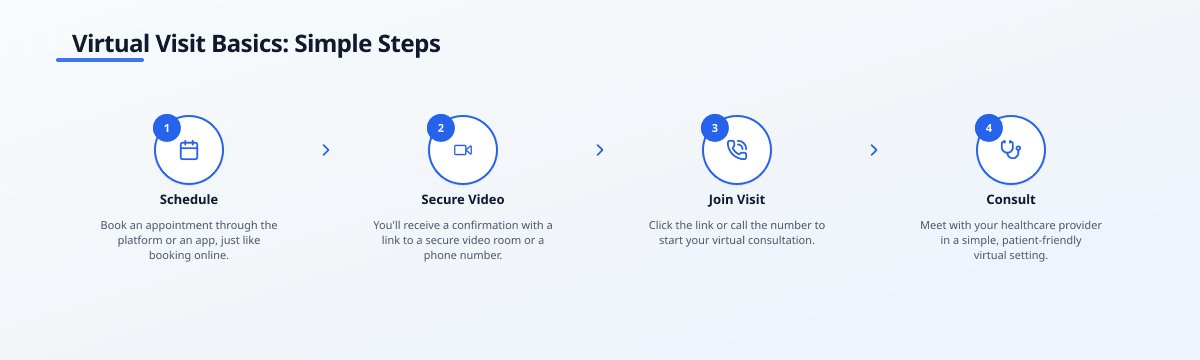
At the time of your appointment, you will log in and be placed in a virtual waiting room. The provider will then join the call, introduce themselves, and verify your identity and reason for the visit. The consultation itself is very similar to an in-person visit. The doctor will ask about your symptoms, medical history, and any medications you are taking. They may ask you to show the affected area on camera, such as a rash or a swollen ankle. They might also take your temperature if you have a thermometer at home or ask you to check your blood pressure if you have a monitor.
One of the most common questions patients have is about prescriptions. If the provider determines you need a medication, they can send an electronic prescription directly to your chosen pharmacy. This is a seamless process that saves you an extra trip. However, there are limitations. For example, certain controlled substances cannot be prescribed via telehealth in some states. Additionally, if the provider feels you need a physical examination or diagnostic test that cannot be done remotely, they will recommend that you visit a local clinic or lab for follow-up. This is a critical part of the process, as it ensures you are not missing out on necessary care.
After the visit, you will typically receive a summary of the consultation, including any diagnoses, treatment plans, and instructions for follow-up. This documentation is often available in your patient portal, which is part of the my telehealth experience. You can also message your provider with any additional questions you might have in the days following the appointment. This continuity of care is one of the hidden benefits of virtual medicine; it keeps the lines of communication open and encourages a more collaborative relationship with your healthcare team.
Integrating Telehealth with Traditional and Moving Care
Telehealth is not meant to replace all in-person care. Instead, it works best when it is integrated with your traditional healthcare routine. For example, you might use a virtual visit for a quick sinus infection, but you will still need to go to a physical lab for bloodwork or get an in-person mammogram. Understanding this complementary relationship is key to using telehealth effectively. It is about adding a tool to your health toolkit, not discarding the ones you already have.
This integration is especially important during major life transitions, such as moving to a new city or state. When you relocate, you have to find new doctors, transfer medical records, and establish care with unfamiliar providers. Telehealth can make this transition much smoother. You can maintain a relationship with your current provider for a period of time while you search for a new local doctor. This avoids gaps in care and provides peace of mind during a stressful time. In fact, many moving resources, including those on Moving.Homes, highlight the importance of planning your healthcare as part of your relocation checklist. You can use telehealth to get a prescription refill while you are still unpacking, ensuring you do not miss a dose of a critical medication.
Furthermore, telehealth is a boon for families who are moving long distances. You can schedule virtual appointments for your children or elderly parents without having to navigate unfamiliar roads or find childcare. The flexibility of a virtual medical practice means that your health does not have to pause while you settle into your new home. For those in the midst of a move, consider updating your health insurance and finding local providers as an early step in your relocation process. This proactive approach, combined with the convenience of telehealth, ensures that your health remains a priority no matter where life takes you. As you plan your move, remember that your healthcare telehealth options can travel with you, offering a consistent thread of care in a time of change.
Overcoming Common Barriers to Telehealth Adoption
Despite its many benefits, some people are still hesitant to try telehealth. Common barriers include concerns about technology, privacy, and the quality of care. Let's address these head-on. First, the technology: you do not need to be a tech wizard to use telehealth. Most platforms are designed for ease of use, with simple interfaces and step-by-step instructions. You only need a reliable internet connection, a smartphone, tablet, or computer with a camera and microphone, and a quiet place to talk. If you are not comfortable with video, many services also offer phone consultations or secure text messaging.
Privacy is another major concern. It is natural to worry about your personal health information being shared online. However, reputable telehealth providers use high-level encryption and adhere to strict HIPAA guidelines to protect your data. When choosing a service, look for a clear privacy policy and a statement about data security. You should also be mindful of using public Wi-Fi networks for your appointments; a secure, private connection is always safer.
Finally, there is the question of quality. Can a doctor really provide the same level of care over a video call? The answer is yes for many conditions, but not for all. Telehealth is excellent for managing chronic conditions, mental health, minor infections, and medication reviews. It is not suitable for emergencies, complex surgical evaluations, or situations that require hands-on diagnostic tests. Providers are trained to recognize when a virtual visit is insufficient and will refer you to in-person care when necessary. This triage capability is a sign of a well-functioning virtual practice, not a limitation.
To help you get past these hurdles, consider starting with a low-stakes appointment, such as a routine check-up or a follow-up for a condition you already know. This will give you a feel for the process without the pressure of an urgent issue. Once you experience the convenience and quality of a virtual visit, your confidence will grow, and you will be more likely to use it for other needs.
The Future of Healthcare Telehealth and Practical Next Steps
As we look toward 2026 and beyond, the role of healthcare telehealth is set to expand even further. Advances in artificial intelligence are making it possible to analyze symptoms and triage patients before they even speak to a human provider. Wearable devices are becoming more sophisticated, providing real-time data that can be integrated directly into your electronic health record. This means that your virtual care team will have a more complete picture of your health than ever before, leading to more personalized and effective treatment plans.
For you, the consumer, this means more options and better outcomes. But it also means you need to be an informed user. Start by exploring the telehealth services available through your current insurance plan. Many major insurers offer their own telehealth apps with reduced or zero copays. Alternatively, you can look into standalone services that offer subscription-based access to a network of providers. Whichever route you choose, make sure you understand the costs, the covered services, and the process for getting a prescription.
Your next step is simple: schedule a virtual visit for a non-urgent issue. It could be a seasonal allergy consultation, a mental health check-in, or a follow-up on a recent lab result. This will give you firsthand experience with the platform and the quality of care. As you do, keep your my telehealth login information handy, and make sure your profile is updated with your current medications and allergies. By taking these small steps, you are not just adopting a new technology; you are embracing a more proactive, convenient, and patient-centered approach to your health.
In summary, healthcare telehealth services are not a futuristic concept; they are a present-day reality that can significantly improve your access to care. From reducing costs and wait times to enabling better chronic disease management, the benefits are clear. As you incorporate these tools into your life, you will find that a virtual medical practice is a powerful complement to traditional medicine. Whether you are managing a long-term condition or simply need a quick answer to a health question, telehealth puts a healthcare professional within reach, 24/7. So, take the leap, explore your options, and discover how a virtual visit can support your well-being, no matter where your life's journey takes you. And if you are planning a move, remember to include your health needs in your checklist, just as you would with any other essential service.