
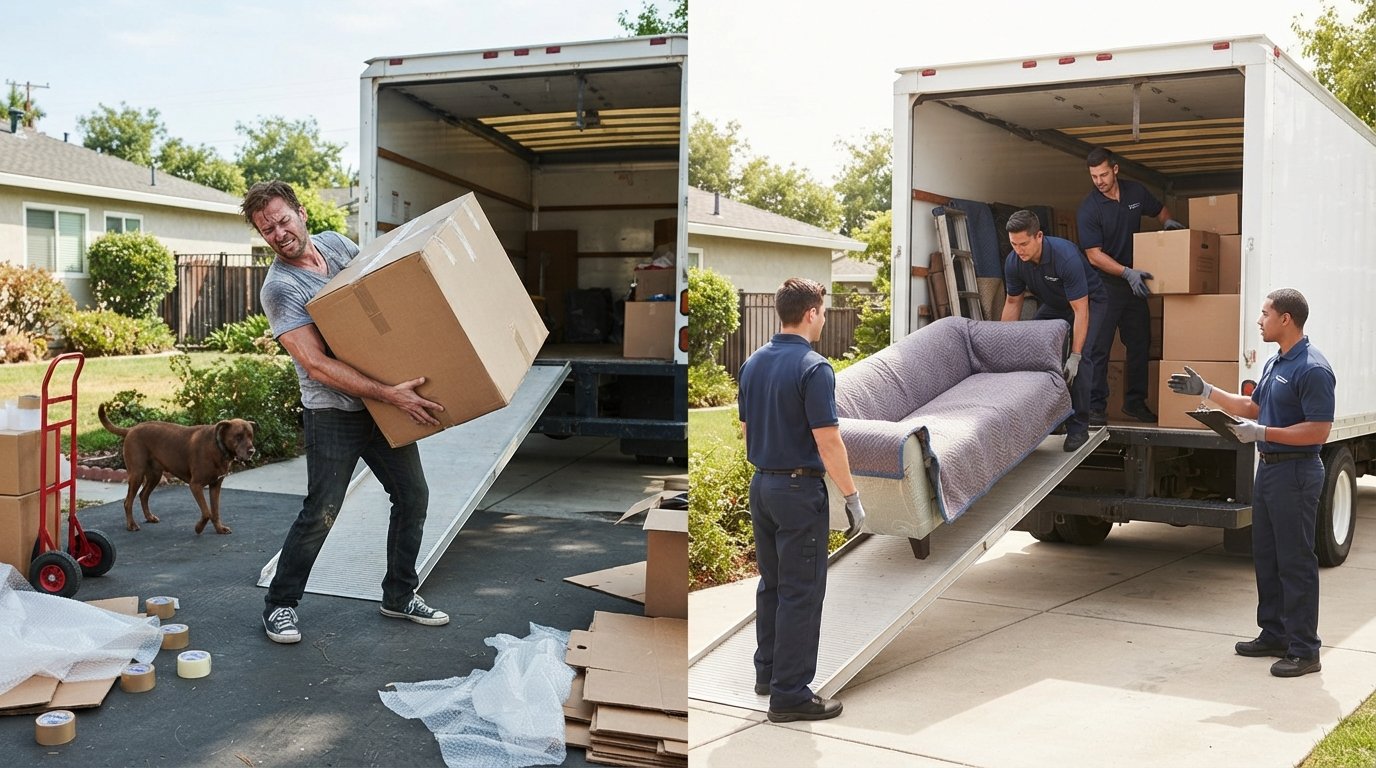
DIY Moving vs Hiring Professional Movers: Cost Comparison
Compare DIY moving vs hiring professional movers cost comparison line by line, including hidden fees and time. Call (833)-484-8675 for free quotes.

By Steven Clark
You are staring at a mountain of boxes, a quote from a moving company, and a truck rental price that looks tempting. The decision between do-it-yourself moving and hiring professional movers often comes down to cost, but the sticker price is only part of the story. A true diy moving vs hiring professional movers cost comparison must account for fuel, supplies, equipment, time off work, physical risk, and the hidden expenses that can turn a budget-friendly DIY move into a financial headache. This guide breaks down the real numbers for local and long-distance relocations so you can make an informed choice.
The Obvious Costs: Truck Rental, Fuel, and Supplies
When you rent a truck, the quoted rate rarely covers the full expense. A local one-day rental might start around $50 to $150 for a small truck, but larger moves require a 26-foot truck that can cost $150 to $300 per day plus mileage fees. Fuel adds another $50 to $150 for local moves, and long-distance trips can easily consume $300 to $800 in gas depending on distance and truck size. Supplies are equally deceptive: boxes, tape, bubble wrap, furniture blankets, and straps can total $100 to $300 for an average apartment, and specialty boxes for TVs or mattresses add more. If you need a dolly, appliance straps, or a furniture dolly, rental fees stack up quickly.
Professional movers, by contrast, provide a single quote that typically bundles labor, transportation, and often basic supplies. For a local move, full-service movers might charge $400 to $1,200 for a small apartment, while DIY truck rental and supplies for the same move could run $200 to $500. The gap narrows when you factor in the value of your time and the risk of damage. For long-distance moves, the difference becomes even more pronounced because professional carriers have fuel surcharges and logistics networks that individual renters cannot match. A 1,000-mile DIY move with a rental truck might cost $1,500 to $2,500 all-in, while a professional long-distance move for a similar load ranges from $2,500 to $5,000, but includes insurance and professional handling.
To keep DIY costs from spiraling, many movers turn to smart savings tactics like booking trucks mid-week, reusing boxes, and decluttering before packing. For a deeper dive into reducing expenses on either path, see our guide on smart ways to save on moving costs, which covers timing, negotiation, and supply sourcing.
Hidden Costs of DIY Moving: Time, Injury, and Damage
The most overlooked line item in any DIY budget is your own time. Packing an average two-bedroom home takes 30 to 50 hours, and loading a truck can consume another 4 to 8 hours. If you take unpaid time off work, that lost income can easily exceed $500 for a two-day move. Then there is the physical toll: lifting heavy furniture, navigating stairs, and maneuvering a truck through tight streets increases the risk of injury. A single trip to the emergency room for a back strain can cost more than hiring professional movers for a local move. Damage risk is equally real. Without proper padding and tie-downs, furniture scratches, box corners crush, and electronics suffer impact damage. Professional movers carry liability insurance and use proven packing methods, which reduces the chance of costly repairs or replacements.
Equipment rental is another hidden expense. Beyond the truck, you may need a furniture dolly, appliance hand truck, moving blankets, and ratchet straps. These rentals add $50 to $150 per day. If you damage the rental truck or return it late, additional fees apply. Professional moving companies already own this equipment and build its cost into their quote, so you avoid surprise charges. For a realistic comparison, list every item you would rent or buy for a DIY move, then add a contingency of 15 to 20 percent for unexpected expenses.
There is also the emotional cost of stress and exhaustion. Moving is consistently ranked among life's most stressful events, and DIY moves amplify that stress because you are the project manager, laborer, and driver. Hiring professionals removes that burden, allowing you to focus on settling into your new home. When you weigh the hidden costs, hiring movers often becomes the more economical choice for anyone with a busy schedule, physical limitations, or high-value belongings.
When Professional Movers Actually Save Money
Professional movers are not always the cheaper option on paper, but they frequently save money in practice. For local moves, the break-even point often occurs when your time is worth more than the difference in cost. If you earn $30 per hour and a DIY move consumes 20 hours of your time (including packing, loading, driving, and unloading), that is $600 in lost productivity or unpaid leave. A local mover might charge $800 to $1,200 for the same move, but you avoid the physical strain and damage risk. For long-distance moves, professional carriers can be surprisingly competitive because they consolidate shipments and negotiate fuel rates. A DIY long-distance move requires multiple days of driving, hotel stays, and meals, which add $300 to $600 to the budget. Professional movers handle the drive, and your belongings arrive without you behind the wheel.
Another factor is insurance. DIY moves typically rely on your homeowner's or renter's policy, which may not cover items in transit or may have high deductibles. Professional movers offer valuation coverage, and full-value protection is available for an additional fee. If something breaks, you file a claim with the moving company rather than absorbing the loss. For high-value items like antiques, pianos, or large TVs, professional handling and coverage can save you thousands in replacement costs.
However, professional movers are not always the answer. If you are moving a small studio apartment across town, have access to a free truck, and can recruit friends to help, DIY may genuinely cost less. The key is to run the numbers honestly, including your time, and compare multiple quotes. Requesting free quotes from vetted movers is the fastest way to see real prices for your specific move. You can get connected with movers who can help with local, long-distance, and packing services through a simple online request, and compare those quotes against your DIY budget line by line.
How to Request Free Quotes and Compare Against a DIY Budget
To make a fair comparison, start by building a detailed DIY budget. List the truck rental (including mileage and fuel), supplies, equipment rentals, time off work, and a damage contingency. Then request at least three free quotes from professional moving companies. Provide accurate inventory details, access information (stairs, elevators, parking), and move dates. Quotes should include labor, transportation, fuel surcharges, and any packing services. Compare the total cost of each quote against your DIY total, and factor in the value of your time and peace of mind.
When requesting quotes, ask about guaranteed pricing, insurance coverage, and any additional fees for stairs, long carries, or heavy items. A reputable mover will provide a written estimate and explain what is included. Avoid companies that demand large deposits upfront or refuse to provide a written quote. The moving industry has its share of scams, so verify licensing and read reviews. For a seamless quote request process, you can submit your details online and receive responses from multiple providers, which saves hours of phone calls.
If you are also considering solar energy for your new home, you can explore educational resources and request free quotes from solar providers through FreeSolarPowerQuotes to understand installation options and incentives. This is separate from your move but worth planning if you are purchasing a home.
Line-Item Cost Comparison: DIY vs Professional Movers
Below is a sample cost comparison for a local move of a two-bedroom apartment, approximately 10 miles away. Actual prices vary by location, season, and move complexity.
- Truck rental: $100 to $200 per day (DIY) vs included in professional quote.
- Fuel: $30 to $60 (DIY) vs included in professional quote.
- Supplies: $150 to $300 (DIY) vs $0 to $100 if movers provide basic materials.
- Equipment rental: $50 to $100 (DIY) vs included in professional quote.
- Labor: $0 (your time) vs $400 to $800 for two to three movers.
- Insurance/valuation: $0 to $50 (limited coverage) vs $50 to $150 for full-value protection.
DIY total: approximately $330 to $710 plus your time and risk. Professional total: approximately $450 to $1,050 all-in. The gap is narrower than many people expect, and when you add the value of your time and the risk of damage, professional movers often come out ahead. For long-distance moves, the DIY total rises sharply due to multi-day travel, hotels, and meals, while professional quotes include those logistics in their pricing.
The decision ultimately depends on your budget, timeline, physical ability, and risk tolerance. If you have the time, help, and a simple move, DIY can save money. If you value your time, have high-value items, or are moving long distance, professional movers are likely the better investment. Either way, getting free quotes is the smartest first step because it gives you real numbers to compare against your DIY estimate. With careful planning and honest cost accounting, you can choose the moving method that fits your wallet and your life.