
Climate Controlled Storage Movers: The Complete Guide
Protect sensitive valuables from humidity and temperature damage during your relocation. This guide explains how climate controlled storage movers provide end-to-end environmental protection.

By Rachel Clark
Moving is stressful enough without worrying about your most sensitive possessions. While standard moving vans can handle your sofa and books, what about your grandmother’s antique wooden dresser, your prized wine collection, or your family’s irreplaceable photo albums? Humidity, temperature swings, and dust during transit and storage can cause irreversible damage. This is where the specialized service of climate controlled storage movers becomes not just a luxury, but a critical investment in preservation. These professionals don’t just transport your items, they provide a seamless, protected environment from pickup through delivery and any interim storage, ensuring your valuables remain in the same condition they left your old home.
What Are Climate Controlled Storage Movers?
Climate controlled storage movers are a specialized segment of the relocation industry that combines premium moving services with environmentally controlled logistics. Unlike standard movers who load a truck and drive, these companies manage the entire chain of custody within a protected atmosphere. Their trucks are equipped with active climate control systems, and they partner with or operate dedicated storage facilities that maintain consistent temperature and humidity levels year-round. The core mission is to eliminate the threats posed by environmental extremes: warping, cracking, mold, mildew, corrosion, and degradation.
This service is fundamentally different from hiring a standard mover and then separately renting a climate controlled storage unit. With a dedicated provider, the items never leave a controlled environment. They are loaded into a conditioned truck, transported, and unloaded directly into a conditioned storage space or your new home. This end-to-end protection is crucial for items that are sensitive to even short exposures to adverse conditions. For example, a piano can suffer soundboard cracks from sudden dryness, while electronics can accumulate damaging internal condensation from humidity shifts during a cross-country trip.
Items That Require Climate Controlled Moving and Storage
Understanding what needs this level of care is the first step in planning your move. The following categories of items are prime candidates for climate controlled storage movers.
- Wooden Furniture and Antiques: Solid wood and veneers expand and contract with humidity. Prolonged exposure to high humidity causes swelling and warping, while dry conditions lead to cracking and joint separation. Antiques with original finishes or inlays are particularly vulnerable.
- Fine Art, Paintings, and Photographs: Canvas, paper, and pigments are highly susceptible to moisture, which can cause mold, foxing (brown spots), and adhesive failure. Temperature fluctuations can also make frames and supports brittle.
- Electronics and Media: This includes sensitive stereo equipment, computers, vinyl records, film reels, and important documents. Humidity promotes corrosion on internal circuits and metal contacts, and can cause media to warp or stick together.
- Musical Instruments: Pianos, violins, guitars, and other wooden instruments are meticulously crafted for specific tension and humidity levels. Changes can detune them permanently, crack wood, and loosen glue joints.
- Wine Collections: Wine requires a consistent, cool temperature and moderate humidity to preserve corks and prevent spoilage. Vibration during transit is also a concern that specialized movers mitigate.
- Collectibles and Valuables: Coin collections, stamps, comic books, vintage clothing, and taxidermy all require stable environments to prevent tarnishing, fading, pest infestation, or material breakdown.
The Process: How Climate Controlled Moving Works
Engaging a climate controlled storage mover involves a more detailed process than a standard move, reflecting the higher level of care and planning required. It typically follows these key stages.
Initial Consultation and Climate Assessment
The process begins with an in-depth consultation, often in-person or via detailed video survey. A specialist will not just inventory your items, but discuss their specific material composition and vulnerability. They will ask about the origin and destination climates, the expected duration of storage, and your ideal environmental parameters. This assessment allows them to plan the correct equipment and settings for both transit and storage. Be prepared to show them the specific pieces you need protected. This is also the time to ask for proof of their climate control capabilities, such as specifications for their trucks and storage facility certifications.
Specialized Packing and Loading Protocols
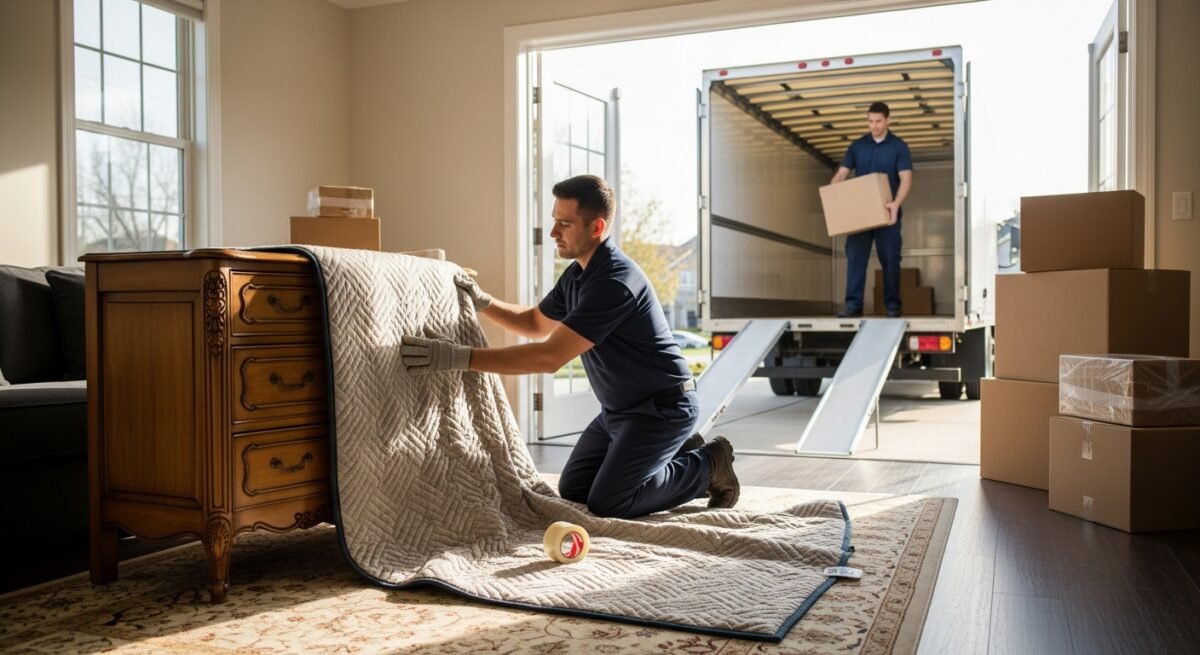
Packing for a climate controlled move goes beyond preventing scratches. Movers use materials that breathe appropriately and do not trap moisture, such as acid-free paper, specialized padded blankets, and climate-stable crates. Desiccants (moisture-absorbing packets) may be placed inside boxes containing extremely sensitive items. The loading process is deliberate to ensure proper air circulation within the truck’s cargo area. Items are strategically placed and secured to prevent shifting without compromising the efficiency of the climate control system.
Controlled Transit and Secure Storage
This is the core differentiator. The moving truck is essentially a mobile climate controlled unit. Temperature and humidity levels are set based on the consultation and monitored throughout the journey via digital sensors. Drivers are trained to maintain these settings, even during overnight stops. Upon arrival at the storage facility, the unit is moved directly into a similarly controlled environment. High-quality facilities have backup power generators, 24/7 monitoring systems, and detailed logs of environmental conditions that they can often provide to clients upon request.
Key Questions to Ask Potential Movers
Not all companies advertising “climate control” offer the same level of service. Due diligence is essential to protect your valuables. Use this checklist during your vetting process.
- What are the specific temperature and humidity ranges you maintain in transit and storage? Get exact numbers, not vague promises. A range of 55-75 degrees Fahrenheit and 45-55% relative humidity is a common standard for general goods.
- Can you provide documentation or real-time monitoring of conditions? Ask if they have data logs or a client portal where you can see the environment history for your unit.
- What is the construction of your storage facility? True climate controlled spaces are typically interior, insulated units within a larger building, not just a garage-style unit with a wall-mounted air conditioner.
- What is your backup plan for power failures? Reliable providers have industrial-grade generators that activate automatically.
- Do you have experience with specific items like pianos, fine art, or wine? Ask for references or case studies related to your most valuable pieces.
- What insurance coverage do you offer for climate-related damage? Standard mover’s liability may not cover damage from environmental factors. Ensure their policy explicitly covers the risks of humidity and temperature.
Cost Considerations and Value Analysis
Climate controlled moving and storage is undeniably more expensive than standard options. Costs are influenced by the volume of goods, distance of the move, duration of storage, and the specific environmental controls required. You may pay a premium of 20% to 50% or more compared to a standard move. However, this cost must be weighed against the value of what you’re protecting. The replacement value of a ruined antique grand piano or a mold-damaged art collection far exceeds the moving premium. It is an insurance policy in the form of a service.
When budgeting, get detailed, binding estimates that break down costs for transportation, storage (often monthly), packing materials, and any special handling fees. Be wary of lowball quotes that may indicate a lack of proper equipment. To manage costs, be selective. You likely don’t need to ship your entire household contents this way. Work with the mover to identify only the high-risk, high-value items that will go in the climate controlled unit, while the rest of your belongings can move via standard methods. For accurate planning and to compare services transparently, you can get a free moving quote from vetted providers who specialize in these services.
Frequently Asked Questions
Is climate controlled moving necessary for a short-term move, like across town? Yes, if conditions are extreme. Even a few hours in a hot, humid, or freezing truck can damage sensitive items. If it’s a mild, dry day, the risk is lower, but for absolute peace of mind, the controlled environment is still the safest choice.
Can I use a portable storage pod with climate control? Some companies now offer “climate controlled” pods, but it’s critical to investigate. Many simply have a small vented air conditioner that struggles to maintain consistency, especially in full sun. True, reliable climate control in a portable unit is rare and less effective than a dedicated moving truck or facility.
How do I prepare my items for a climate controlled move? Clean and dry everything thoroughly. Any existing moisture or dirt sealed in a box can create a microclimate of mold. Inform the mover of any items that have known existing condition issues, like a slightly damp book or a piece of furniture recently in a flood zone.
What’s the difference between “air conditioned” and “climate controlled” storage? “Air conditioned” typically means cooling only, often just during summer months. “Climate controlled” implies year-round active control of both temperature and humidity, maintaining a consistent environment regardless of outside weather.
Are household appliances like refrigerators considered climate sensitive? Generally, no. Modern appliances are built to withstand a range of conditions. However, if you are storing an appliance long-term (over a year), a stable, dry environment can help prevent internal corrosion and mold growth.
Choosing the right climate controlled storage movers is a decision that safeguards your legacy and your investments. It transforms the moving experience from one of anxiety about potential damage to one of confidence. By understanding the service, knowing what items require it, asking the right questions, and partnering with a qualified, transparent provider, you ensure that your most precious possessions arrive at your new chapter in perfect condition, ready to be enjoyed for years to come.