
Choosing Nationwide Moving Companies for Long Distance Moves
Navigate your cross-country move with confidence. For expert guidance on selecting a reliable carrier, call our advisors at (833) 762-3578.

By Brandon Hall
Planning a long distance move is one of the most significant logistical and financial undertakings a household can face. The sheer scale of crossing state lines, or moving across the country, introduces complexities far beyond a local relocation. Your choice of moving company becomes the single most critical factor in determining whether your move is a smooth transition or a stressful, costly ordeal. This guide delves into the essential considerations for selecting and working with nationwide moving companies, providing you with the knowledge to navigate this major life event with confidence.
Understanding the National Moving Landscape
The term “nationwide moving companies” refers to professional moving firms that operate across state lines, holding the necessary federal and state authorities to transport household goods over long distances. Unlike local movers, these companies are regulated by the Federal Motor Carrier Safety Administration (FMCSA) when conducting interstate moves. This federal oversight provides a baseline of consumer protection, but the quality, service, and reliability among national moving companies can vary dramatically. The industry is comprised of large van lines with extensive agent networks, independent national carriers, and a plethora of brokers who arrange moves but do not perform the transportation themselves. Understanding this structure is your first step toward making an informed decision.
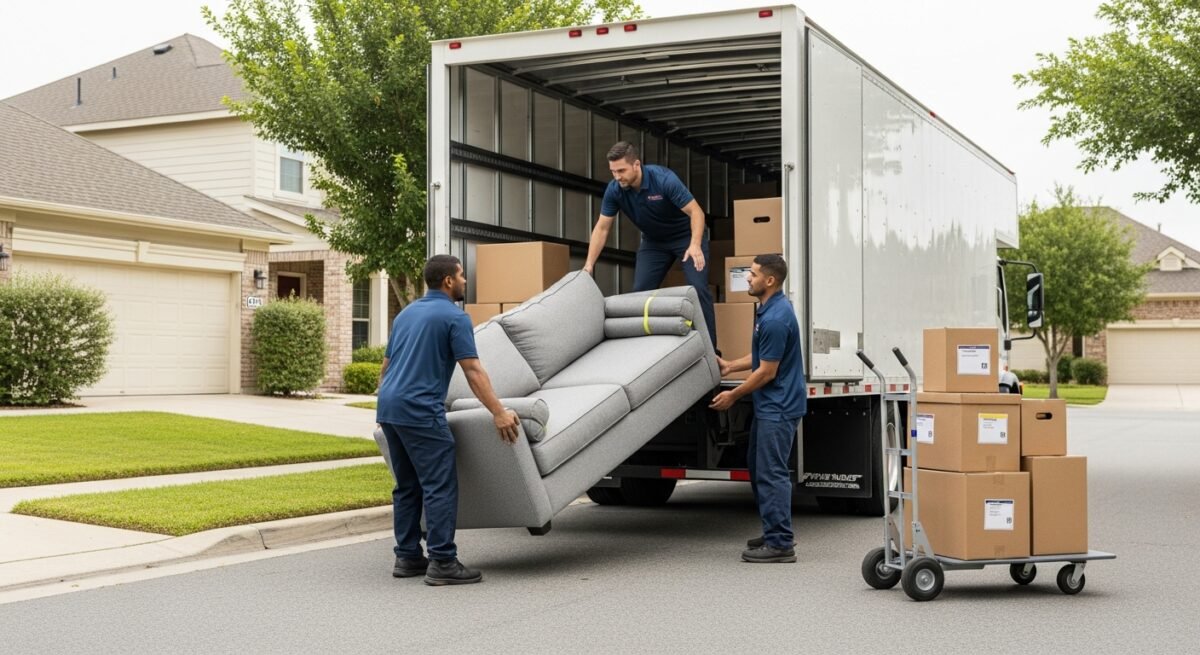
National moving companies offer services designed for the unique challenges of long distance relocation. The core service is the loading, transportation, and unloading of your belongings via a large freight truck. However, most reputable companies offer full-service options that can include professional packing, crating for special items, furniture disassembly and reassembly, and even vehicle shipping. The duration of a cross-country move typically ranges from several days to a few weeks, depending on the distance, season, and specific routing. This timeline is a crucial factor in your planning, especially regarding temporary housing or storage needs.
Key Factors in Selecting a Long Distance Mover
Choosing the right company requires moving beyond a simple price comparison. A low estimate can sometimes be a red flag, leading to unpleasant surprises later. A thorough vetting process is non-negotiable. Start by verifying the company’s USDOT number on the FMCSA’s SAFER website. This check confirms their interstate operating authority and allows you to review their safety rating, insurance status, and any history of complaints or out-of-service orders. Furthermore, check their standing with the Better Business Bureau (BBB) and read customer reviews on multiple independent platforms. Look for patterns in feedback, paying close attention to how companies handle problems, not just praise for flawless moves.
Understanding estimates is paramount. For long distance moves, companies are required by federal law to provide either a Binding Estimate or a Binding Not-to-Exceed Estimate. A Binding Estimate is a fixed price based on the surveyor’s assessment of your goods. A Binding Not-to-Exceed Estimate is more consumer-friendly: you pay the lower of the final weight-based price or the estimated price. Be extremely wary of non-binding estimates, which can lead to final costs significantly higher than the quoted price. Always insist on an in-person or detailed virtual video survey of your inventory before accepting any estimate. A reputable mover will not give a firm quote over the phone without assessing your belongings.
Insurance and valuation coverage are distinct concepts that protect your goods in different ways. Released Value Protection is included at no extra charge but provides minimal coverage, typically 60 cents per pound per article. For adequate protection, you must purchase Full Value Protection or declare a higher value for your shipment. This coverage means the mover is liable for the repair, replacement, or cash settlement of lost or damaged items at their current market value. Carefully review the mover’s valuation options and consider supplementing with a separate policy from your renters or homeowners insurance for comprehensive peace of mind.
The Detailed Process of a Long Distance Move
A successful cross-country move hinges on meticulous planning and clear communication. The process formally begins once you select a mover and book your dates. You will sign an Order for Service and a Bill of Lading, which is your legally binding contract and receipt for your goods. Read these documents thoroughly. In the weeks leading up to your move, a professional moving consultant will help you finalize details and prepare an inventory list. Your responsibilities include deciding what to move, sell, or donate, securing parking permits for the moving truck, and preparing your home for the loaders.
Packing is a major component. If you opt for professional packing, the crew will arrive before loading day. If you pack yourself, use high-quality boxes and materials, and label every box with its contents and the room it belongs to in your new home. Create a detailed inventory list as you pack. On loading day, the crew will methodically load the truck. You or a representative should be present to oversee the process, answer questions, and sign the inventory sheet, noting the condition of any items. This sheet is critical for any future claims. The driver will provide you with contact information and an expected delivery window.
The transit period requires patience. Modern moving trucks often have GPS, but delivery dates are typically given as a range (e.g., between the 10th and 14th). The mover is required to keep you informed of any significant delays. Upon arrival at your new home, the unloading process begins. Again, be present to supervise. Check items against your inventory sheet as they come off the truck. Before the crew leaves, you will sign the delivery receipt and the driver’s copy of the Bill of Lading. Note any loss or damage on these documents with as much detail as possible. This is the official record for initiating a claim. For many, the complexity of this process underscores the value of reliable professional moving services to manage the logistics and reduce stress.
Reducing Costs and Avoiding Common Pitfalls
Long distance moves are expensive, but strategic planning can yield significant savings. Timing is everything: moving during the off-peak season (late fall through early spring, excluding holidays) can result in lower rates and greater scheduling flexibility. The weight of your shipment is the primary cost driver, so a rigorous decluttering effort directly reduces your bill. Sell, donate, or dispose of items you no longer need. Consider the cost of moving heavy furniture versus replacing it. Obtain at least three written, in-person estimates from reputable companies. Be transparent with each estimator about what is being moved to ensure quotes are comparable.
One of the most common and distressing pitfalls is falling victim to a rogue mover or broker. Warning signs include demands for large cash deposits or full payment upfront, a lack of a physical address or local presence, and quotes that seem too good to be true. Another major issue is the “hostage load,” where a mover demands more money upon delivery before unloading your belongings. To avoid this, never hire a company that has not been thoroughly vetted, and understand your payment terms, which typically involve paying a deposit upon booking and the balance upon delivery. Knowledge of your rights under the FMCSA regulations is your best defense. For a deeper dive into vetting procedures, our resource on how to choose the best interstate moving companies offers a detailed framework.
To consolidate key strategies, consider the following actionable steps for a cost-effective and secure move:
- Declutter Aggressively: Reduce shipment weight by 20% or more through sales and donations.
- Time Your Move: Schedule between October and April for better rates and availability.
- Get Multiple Surveys: Secure three in-person or detailed video estimates from FMCSA-licensed carriers.
- Read the Paperwork: Understand the Bill of Lading, your estimate type, and valuation coverage before signing.
- Plan for Flexibility: Have a contingency fund and flexible arrival plans to accommodate minor transit delays.
Frequently Asked Questions
How far in advance should I book a nationwide moving company?
For a long distance move, you should begin researching and contacting companies at least two to three months in advance. Aim to book your preferred mover 6-8 weeks before your desired moving date, especially if you are moving during the peak summer season (May through September). This lead time ensures availability and allows for thorough planning.
What is the difference between a moving carrier and a moving broker?
A moving carrier is the company that owns the trucks and employs the drivers who will physically transport your goods. A moving broker is a middleman who arranges moves by selling them to carriers. Brokers can provide convenience and multiple quotes, but it is crucial to know which carrier they are using. Federal law requires brokers to disclose their role and the name of the carrier before you sign a contract.
How are long distance moving costs calculated?
Costs are primarily based on the weight of your shipment and the distance it is traveling. The rate is typically quoted per hundred pounds (per hundredweight) per mile. Other factors include the level of service (e.g., packing, storage), the time of year, fuel surcharges, and any extra services like stair carries or long carries from the truck to your home.
What should I do if my belongings are damaged during the move?
Note any damage on the driver’s inventory sheet and delivery receipt before the crew leaves. Then, file a claim in writing with the moving company as soon as possible, ideally within nine months of delivery. Provide photos, a copy of the noted damage, and any repair estimates. The mover has 30 days to acknowledge receipt and 120 days to deny, settle, or offer to settle your claim.
Can I pack my own boxes for a full-service move?
Yes, you can opt for a hybrid approach. Many people choose to pack personal items, clothing, and non-fragile goods themselves to save money, while having the movers professionally pack delicate items like china, artwork, and electronics. Inform your mover of this plan during the estimate, as it can affect the quote and the mover’s liability for self-packed items.
Embarking on a long distance relocation is a monumental task, but it marks the beginning of an exciting new chapter. By investing time in researching nationwide moving companies, understanding the process and your rights, and planning with precision, you transform a potentially overwhelming experience into a managed, successful transition. The right professional partner does not just move your possessions, they provide the reliability and expertise that allows you to focus on the future awaiting you in your new home.