
Choosing Global Relocation Companies for International Moves
Partnering with professional global relocation companies for international moves ensures expert handling of complex logistics, customs, and destination services. This guide explains how to select the right partner for a seamless transition.

By Nicole Walker
Moving across borders is one of life’s most significant logistical and emotional challenges. The sheer scale of an international relocation, involving customs regulations, overseas shipping, and cultural adaptation, can quickly overwhelm even the most organized individual. This is where global relocation companies for international moves become not just a convenience, but a critical partner. These specialized firms transform a chaotic, high-stakes process into a managed, strategic transition. They act as your single point of contact, navigating the complex web of international logistics, legal compliance, and personal settling-in services. Understanding how to select and work with a top-tier international relocation service is the first and most important step in ensuring your global move is a success, not a stress-filled ordeal.
What Defines a True Global Relocation Company?
Not all moving companies are created equal, especially when it comes to international relocations. A local mover with a few trucks cannot manage the intricacies of a transcontinental move. A true global relocation company operates on a different scale and with a distinct set of capabilities. These organizations have established networks and partnerships across the globe, allowing them to coordinate every leg of your journey seamlessly. They possess deep expertise in international trade laws, customs documentation for dozens of countries, and the specific packing protocols required for long-distance sea or air freight. Their role extends beyond moving boxes, it encompasses risk management, timeline coordination across multiple time zones, and providing support for the human element of the move.
The core differentiator is their integrated service model. While a freight forwarder might handle the shipping and a separate consultant might help with visas, a full-service global relocation company consolidates these functions. They manage the entire supply chain of your move, from the pre-move survey in your current home to the final unpacking and setup in your new country. This holistic approach is vital for accountability and efficiency. When something goes awry, which can happen with complex logistics, you have one entity responsible for resolution, not a chain of subcontractors pointing fingers at each other.
Key Services Offered by International Relocation Specialists
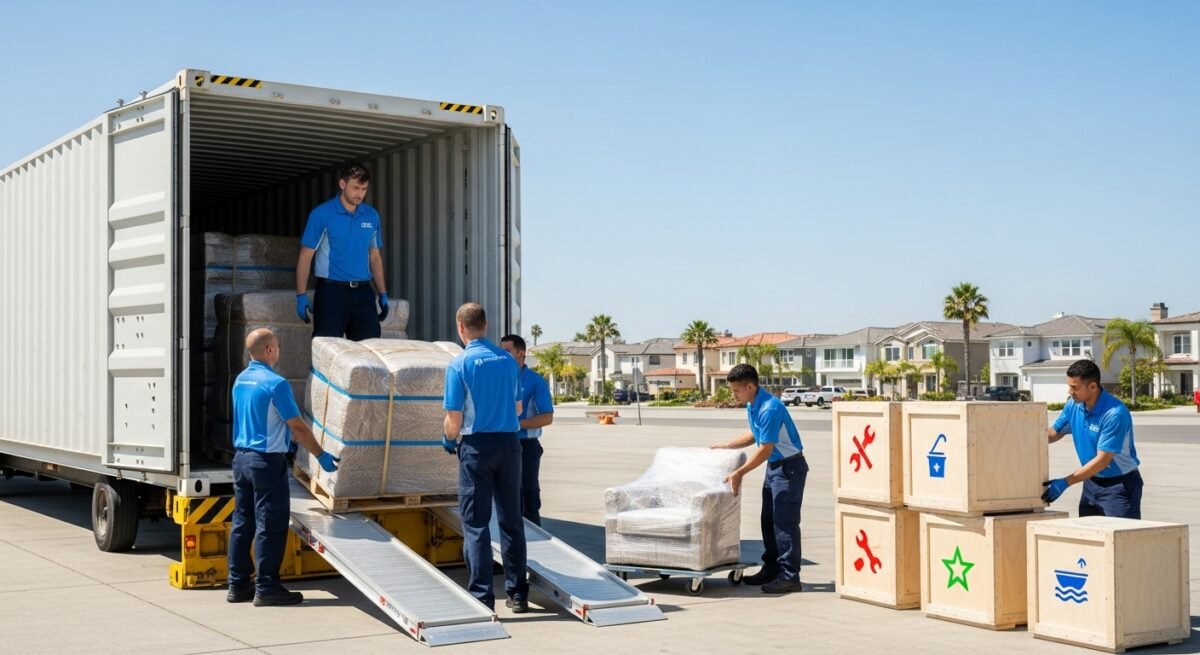
The service portfolio of a leading international relocation services provider is comprehensive. It is designed to address both the tangible movement of goods and the intangible needs of individuals and families adapting to a new life. At its foundation is the physical move management. This includes professional packing using materials rated for international transit, custom-crating for high-value or fragile items, secure container loading, and choice of shipping method (air for speed, sea for cost-effectiveness). They handle all customs brokerage, ensuring paperwork like inventories, bills of lading, and duty declarations are flawless to prevent delays at ports.
However, the most valuable services often lie beyond the logistics. Many top-tier firms offer destination services, which are crucial for soft-landing in a new country. This can include area orientation tours, school search assistance, help with securing local housing, and cultural training. For corporate relocations, they often manage policy administration, expense tracking, and spouse career support. The goal is to reduce the unknown, providing expert local knowledge that a newcomer simply cannot access independently. For a deeper dive into structuring these services, our resource on navigating global relocation services breaks down the options.
The Critical Selection Process: How to Vet Potential Partners
Choosing the right global relocation company requires diligent research and clear criteria. Your selection will impact your finances, the safety of your possessions, and your peace of mind for months. Start by verifying credentials. Membership in recognized industry associations like the International Association of Movers (IAM) or FIDI is a strong indicator of adherence to global quality standards. Check for necessary licenses, such as FMC (Federal Maritime Commission) licensing for ocean freight. Always ask for and follow up on references from recent clients who completed moves to your destination country.
The estimate and contract phase is where careful attention pays off. Beware of suspiciously low bids, which often signal hidden fees or subpar service. A reputable company will insist on a detailed, in-person or video survey of your belongings to provide an accurate volume-based quote. Scrutinize the contract for what is included, but more importantly, for what is excluded. Understand the insurance coverage completely. International moves typically are covered under different liability regimes than domestic moves, often based on the weight of the item, not its value. You will likely need to purchase additional full-value protection for adequate coverage.
To effectively compare proposals and ask the right questions, focus on these key areas:
- Network & Experience: Do they have owned offices or vetted partners in your destination country? How many moves do they complete annually to your target region?
- Transparency: Is the quote all-inclusive (packing, shipping, insurance, customs clearance, delivery)? What are the potential variables that could increase cost (port fees, storage, long carry fees)?
- Communication: Who will be your dedicated point of contact? What are their protocols for updates and tracking during the transit phase?
- Risk Management: What is their claims process for damaged or lost items? What insurance options do they offer beyond basic carrier liability?
- Additional Support: Do they offer destination services, visa guidance, or pet/vehicle relocation assistance?
Understanding Costs and Avoiding Hidden Fees
The cost of an international move is substantial and varies widely based on distance, volume, speed, and service level. It is typically the second-largest financial consideration after housing itself. Costs are generally broken into several components: origin services (packing, pickup), freight charges (air or sea), destination services (customs clearance, delivery, unpacking), and insurance. The freight charge is often the largest single cost and is calculated by volume (cubic meters) for sea freight or weight for air freight. It’s crucial to understand that the lowest freight rate does not equal the best total value, as inefficiencies in other areas can create delays and additional expenses.
Hidden fees are a common pitfall. A reputable company will outline potential extras clearly. These can include fees for packing materials beyond a standard allowance, charges for moving items up or down multiple flights of stairs if elevators aren’t available (“long carry”), costs for shuttle trucks if a large moving van cannot access your home, storage fees if your new home isn’t ready, and customs duties or taxes that are the responsibility of the shipper. The best way to plan a smooth home relocation is to discuss every possible scenario with your consultant and ensure contingencies are noted in your agreement.
Preparing for Your Move: A Partnership with Your Chosen Company
Once you have selected a global relocation company, your active partnership begins. The pre-move survey is your first major interaction. Be thorough. Show the consultant every item to be moved, including those in attics, basements, and sheds. Discuss items of high value, sentimental importance, or special concern, such as artwork, pianos, or wine collections. This is the time to decide what to sell, donate, or discard. Reducing volume is the most effective way to reduce cost. You will also need to provide detailed documentation for customs, which your relocation specialist will guide you through. This often includes a passport copy, visa, detailed inventory, and sometimes a letter from your employer.
As packing day approaches, your preparation can streamline the process. Separate items that will not be shipped, such as suitcases you’ll take on the plane. Designate a “do not pack” area for critical documents, medications, and essential electronics. Understand the prohibited items list for your destination country (common restrictions include plants, soil, certain foods, and flammable materials) to avoid customs seizures. Good preparation minimizes confusion on moving day and ensures the professional packers can work efficiently and safely with your belongings.
Frequently Asked Questions
How long does an international move typically take?
Timelines vary drastically. A full-container sea freight move between continents can take 8-12 weeks from pack to delivery door-to-door. Air freight can reduce transit to 1-3 weeks, but is significantly more expensive. Always build in buffer time for customs clearance, which can add unpredictability.
What is the difference between shared and exclusive container shipping?
For sea freight, your goods can travel in a shared container (Less than Container Load, or LCL) where you pay for the volume you use, or in an exclusive, sealed container (Full Container Load, or FCL). FCL is faster, more secure, and often recommended for larger volume moves, while LCL can be cost-effective for smaller shipments.
Are my belongings insured during the move?
All reputable carriers provide basic carrier liability, but it is minimal (often around $0.60 per pound per item). You should almost always purchase additional insurance, either through the moving company or a third-party insurer, for full replacement value coverage.
Can I pack my own boxes to save money?
Some companies allow this, but it comes with major caveats. Self-packed boxes are often not insured for damage, only for loss. Furthermore, customs officials may inspect self-packed boxes more rigorously, potentially causing delays. Professional packing is strongly advised for international moves.
What happens if my new home isn’t ready when my shipment arrives?
Your relocation company can arrange for secure storage at the destination port or in a local warehouse. This incurs additional storage fees, so it’s best to coordinate timelines as closely as possible and communicate any changes immediately.
Embarking on an international move is a monumental undertaking, but it doesn’t have to be a solitary struggle. By engaging a professional global relocation company, you gain a guide, a strategist, and a problem-solver. The investment in their expertise pays dividends in reduced stress, protected assets, and a smoother transition for you and your family. The key lies in careful selection, clear communication, and active partnership. With the right team managing the complex logistics, you can focus on the exciting journey ahead, turning the challenge of relocation into the beginning of a successful new chapter.