
Auto Transport Cost to Ship a Car: 2026 Price Guide
Understand the auto transport cost to ship a car with our 2026 price guide covering distance, vehicle type, and tips to save on your shipment.

By Eric Thompson
Shipping a car across the country is one of those expenses that catches many people off guard. You budget for the move, the packing supplies, the rental truck, and then someone mentions that getting your vehicle from point A to point B could add several hundred or even a few thousand dollars to the bill. Understanding what drives the auto transport cost to ship a car helps you plan ahead, compare quotes intelligently, and avoid surprise charges on delivery day.
Whether you are relocating for a new job, sending a vehicle to a college student, or buying a car from an out-of-state seller, the price you pay depends on a mix of distance, vehicle type, route popularity, season, and the type of carrier you choose. This guide breaks down those factors, provides realistic price ranges, and explains how to get the best value without sacrificing safety or reliability.
What Determines the Auto Transport Cost to Ship a Car
Auto transport pricing is not random. Carriers and brokers calculate rates based on a handful of variables that affect their operating costs and the likelihood of filling their trucks. The most significant factor is distance, but it is not a simple per-mile formula. A 1,000-mile shipment often costs less per mile than a 300-mile shipment because long routes allow carriers to consolidate loads and reduce deadhead miles.
Vehicle size and weight also matter. A compact sedan takes up less space on a multi-car carrier than a full-size SUV or a lifted pickup truck. Oversized vehicles may require special permits or additional ramp space, which adds to the cost. Similarly, inoperable vehicles need a winch or forklift to load and unload, and that service typically comes with a surcharge of $100 to $300.
Route popularity is another key variable. Major metropolitan areas along interstate corridors, such as Los Angeles to Dallas or New York to Miami, tend to have more carriers and more competitive pricing. Remote destinations or rural drop-off points may cost more because the carrier has to travel farther off the main route.
Seasonality plays a role as well. Demand spikes in the spring and fall when families relocate and snowbirds head south or north. Summer is also busy because of military permanent change of station orders. During peak seasons, rates can climb 10 to 20 percent compared to slower winter months. Booking early helps lock in better rates.
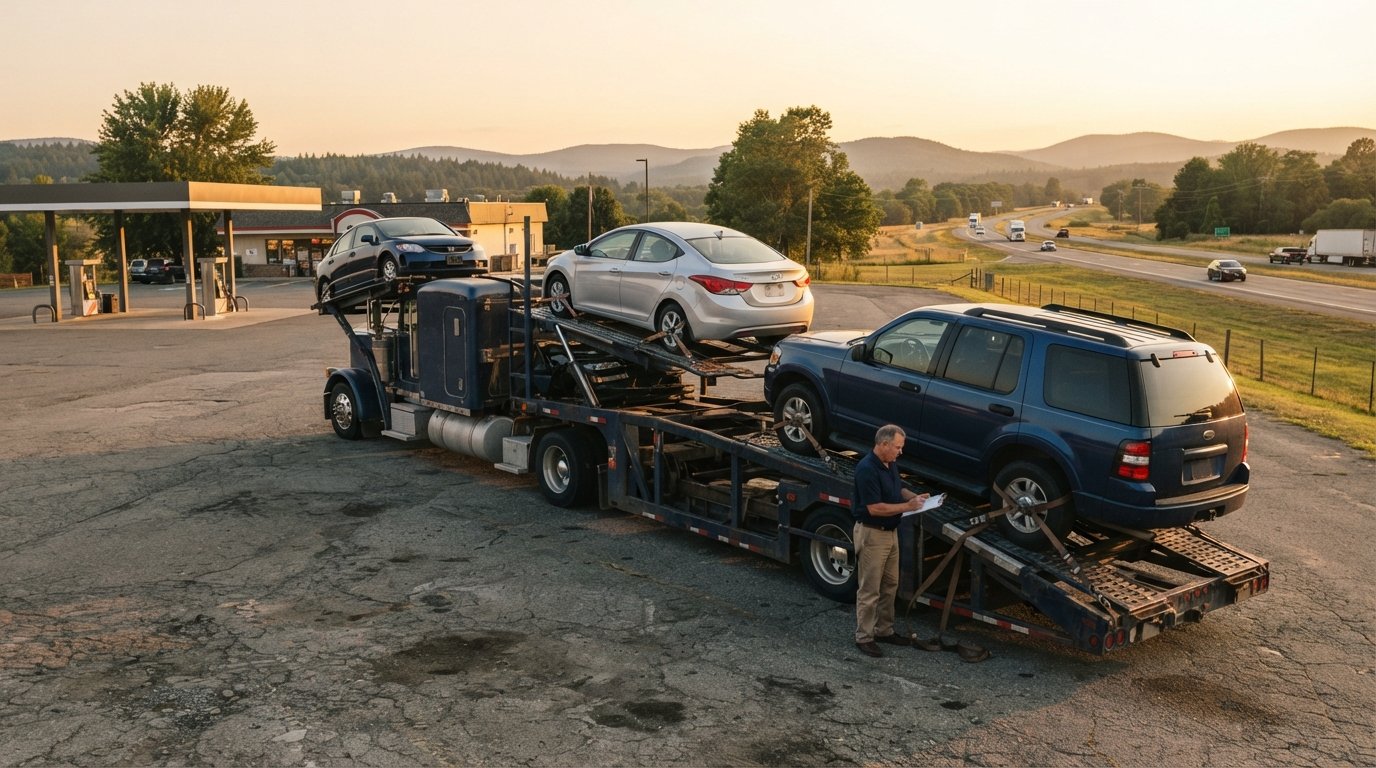
Finally, the type of service you choose affects the bottom line. Open transport, where your car shares a multi-level trailer with other vehicles, is the most affordable option. Enclosed transport, which protects the vehicle from road debris, weather, and dust, costs significantly more and is often used for luxury, classic, or exotic cars.
Typical Price Ranges for Auto Transport in 2026
To give you a realistic baseline, here are some approximate price ranges for open transport of a standard sedan or small SUV in 2026. These figures assume door-to-door or terminal-to-terminal service and can vary based on fuel prices, carrier availability, and time of year.
- Short-distance moves (under 500 miles): $300 to $700
- Medium-distance moves (500 to 1,500 miles): $700 to $1,200
- Long-distance moves (1,500 to 2,500 miles): $1,000 to $1,800
- Coast-to-coast moves (2,500 to 3,000 miles): $1,200 to $2,200
- Enclosed transport: Add 40 to 60 percent to the above estimates
These numbers are not guarantees. A route like Chicago to Denver might fall on the lower end because it is a popular corridor with plenty of carriers. A route like rural Maine to rural Montana could push toward the higher end because of limited backhaul opportunities. The best way to get an accurate figure is to request quotes from multiple providers and compare the details, not just the headline price.
It is also worth noting that fuel surcharges, tolls, and state-specific regulations can add small amounts to the final bill. Reputable carriers disclose these fees upfront. If a quote seems too low compared to others, ask what is excluded. A bargain rate that balloons on delivery is not a bargain at all.
Open vs Enclosed Transport: Which One Fits Your Budget
Choosing between open and enclosed transport is one of the biggest decisions affecting your auto transport cost to ship a car. Open transport is the industry standard and handles the vast majority of vehicle shipments. Your car travels on a multi-level trailer alongside other vehicles, exposed to the elements but secured with straps and wheel chocks.
Enclosed transport uses a fully covered trailer, often with soft sides or hard panels, to shield the vehicle from rain, snow, road salt, and flying debris. This option is popular for classic cars, luxury vehicles, and any car you want to keep in showroom condition. The trade-off is price, as enclosed carriers have lower capacity and higher operating costs, which they pass on to the customer.
If you are shipping a daily driver, a family SUV, or a used car you plan to sell, open transport is usually the smart choice. If you are moving a restored muscle car, a Porsche, or a brand-new Tesla, the extra protection may be worth the premium. Some carriers also offer top-load or enclosed-top options that provide partial protection at a mid-range price.
For those also moving household goods, it helps to coordinate vehicle shipping with your overall relocation plan. In our guide on piano transport cost and safe moving options, we explain how specialized item handling works, and the same principles of careful loading and secure transport apply to vehicles.
How to Get Accurate Auto Transport Quotes
Getting a reliable quote takes a few minutes of preparation. Start by gathering your vehicle identification number, the exact pickup and delivery addresses or zip codes, and your preferred dates. Flexibility on dates can save you money because carriers sometimes offer discounts for off-peak pickup windows.
Next, decide whether you want door-to-door service or terminal-to-terminal service. Door-to-door is more convenient but may not be possible if your street is too narrow for a large carrier. Terminal-to-terminal is often cheaper because you drop the car at a designated lot and pick it up at another, but you are responsible for getting the vehicle to and from those locations.
When you request quotes, compare more than just the price. Ask about insurance coverage, carrier reputation, and the company's policy on delays. A licensed broker or carrier should provide a written estimate and a bill of lading that outlines all terms. Avoid anyone who demands a large deposit upfront or refuses to put the quote in writing.
If you are also managing other home services during your move, such as repairs or renovations at your new property, you can use platforms like FreeQuotes.Contractors to connect with pre-vetted local contractors for projects like roofing, HVAC, or flooring. That way, you can focus on the logistics of your move while trusted professionals handle the home improvement side.
Finally, book your transport as early as possible. During peak season, carriers fill up weeks in advance. Booking early gives you more choices and often better rates. If your schedule is flexible, ask about standby or flexible pickup options that can reduce the cost.
Ways to Lower Your Auto Transport Cost
There are several legitimate strategies to reduce the auto transport cost to ship a car without cutting corners on safety or reliability. One of the easiest is to choose terminal-to-terminal service instead of door-to-door. By meeting the carrier at a designated lot, you eliminate the need for a separate pickup or delivery trip, which can save $100 to $200 or more.
Another option is to ship your car during the off-season. Late winter and early spring are generally slower for auto transport companies, so rates tend to be lower. If you can avoid the summer rush and the fall relocation season, you may find better deals and more available carriers.
You can also save by being flexible with your pickup and delivery dates. Carriers often offer discounts if you can drop off your vehicle on short notice or wait for a consolidated load. Some companies even allow you to list your car on a standby basis, where you pay a reduced rate in exchange for flexibility.
Cleaning out your car before shipping is another practical tip. Extra weight from heavy items can affect fuel efficiency and may violate carrier policies. Most carriers prohibit personal belongings in shipped vehicles, and removing them reduces the risk of theft or damage. It also makes the vehicle lighter and easier to load.
Finally, consider using a reputable broker who can match you with carriers and negotiate rates on your behalf. Brokers often have established relationships with multiple carriers, which can lead to better pricing and more reliable service. Just make sure the broker is licensed and transparent about fees.
What to Expect During the Shipping Process
Once you book your transport, the carrier will schedule a pickup window, usually a two- to four-hour range on the agreed date. The driver will inspect your vehicle for existing damage, note the mileage, and provide you with a copy of the inspection report. Take photos of your car before it is loaded to document its condition.
During transit, you can typically track your vehicle's progress through the carrier's website or by contacting the dispatcher. Transit times vary based on distance and route. A 1,000-mile shipment might take two to four days, while a coast-to-coast move could take seven to ten days. Weather and traffic can cause delays, so build some buffer into your schedule.
On delivery, inspect your vehicle thoroughly before signing any paperwork. Compare the condition to the pre-shipment report and note any new damage. If you find issues, document them immediately and file a claim with the carrier's insurance company. Most reputable carriers carry cargo insurance that covers damage during transit, but you must report it promptly.
Payment is usually due at delivery, often in the form of a cashier's check or money order. Some carriers accept credit cards, but many prefer certified funds. Never pay the full amount upfront unless you are working with a trusted, licensed broker who provides a written guarantee. A small deposit to reserve your spot is standard, but the balance should be paid upon delivery.
Common Mistakes to Avoid When Shipping a Car
One of the most common mistakes is choosing a carrier based solely on the lowest quote. Extremely low bids often come from unscrupulous brokers who later demand more money or fail to secure a carrier. Always check reviews, verify licensing, and ask for references before committing.
Another mistake is failing to read the fine print. Some quotes exclude fuel surcharges, tolls, or insurance, which can add hundreds of dollars to the final bill. Make sure you understand what is included and what is not. Ask about the carrier's liability limit and whether additional coverage is available.
Not preparing your vehicle properly is another pitfall. Wash your car before shipping so you can easily spot any damage. Disable any anti-theft alarms, remove toll transponders, and leave only a quarter tank of gas. These small steps can prevent problems during loading and transit.
Finally, do not wait until the last minute to book your transport. Procrastination limits your options and often forces you to pay premium rates. Start getting quotes at least two to three weeks before your desired pickup date, and book as soon as you find a reputable carrier with a fair price.
Shipping a car does not have to be a mystery. By understanding the factors that influence the auto transport cost to ship a car, comparing quotes carefully, and planning ahead, you can get your vehicle to its destination safely and affordably. Take the time to research your options, ask questions, and choose a carrier that prioritizes communication and care. Your car is a significant investment, and a little preparation goes a long way toward a smooth, stress-free transport experience.